


Vacuuming a carpeted room often leads to surprising resistance when a floor nozzle seals against dense fibers or simply glides over surface debris without picking up embedded dirt. Many homeowners wonder which vacuum head to use for carpet when trying to protect delicate pile while pulling deep grit and stubborn lint from underneath. Matching the attachment to your carpet style prevents unnecessary wear on yarn tips and keeps motor suction flowing smoothly. While a smooth bare-floor tool glides effortlessly across tile, carpet fibers demand intentional agitation to dislodge particulate matter lodged deep within the pile.
Different floor attachments approach carpet cleaning through distinct mechanisms, ranging from motorized brush rolls with independent electric drives to air-driven turbine nozzles and static straight-suction gliders. Pet owners tackling embedded fur often combine their regular cleaning routine with specialized pet stain vacuums when liquid messes occur alongside routine dry debris. Understanding the mechanical differences among these floor heads helps you choose an option that balances effective dirt extraction with gentle fiber care. Evaluating suction control, roller bristle stiffness, and nozzle clearance ensures your vacuum maintains proper airflow across every room in your home.

Pros
- Lightweight 8.6-pound design makes carrying up and down stairs straightforward.
- Supplied with five dust bags to provide an immediate consumable supply out of the box.
- Included extension wands and specialty attachments expand cleaning reach to ceilings, furniture, and car seats.
Cons
- Requires ongoing purchases of replacement dust bags once the initial supply is exhausted.
- Operating cord length and cord storage mechanisms are not detailed in the manufacturer specifications.
The Eureka 3670M is a compact, corded canister vacuum cleaner designed for general household upkeep. Weighing 8.6 pounds, this yellow canister is tailored to shoppers who need a lightweight machine capable of navigating single or multi-level homes without the physical strain of pushing a heavy upright model.
According to manufacturer specifications, the vacuum is driven by a 12-amp, 1200-watt motor that provides continuous suction. The product documentation lists it for multi-surface utility on carpets, hard floors, stairs, upholstery, and vehicle interiors. While the manufacturer highlights strong suction for surface debris and pet hair, specific brush roll details or mechanical agitation features are not documented in the provided data.
The unit uses a bagged collection format with a listed capacity of up to 2.5 liters. This specific 3670M package includes five dust bags, allowing users to contain collected dust and pet hair securely during replacements. For above-floor cleaning, the vacuum includes two extension wands and two specialty attachments intended for dusting furniture, reaching ceiling edges, and accessing tight crevices where standard upright vacuums cannot fit.
With exterior dimensions of 11.8 by 10.6 by 20.6 inches, the canister body fits neatly into compact utility closets or under shelving. Routine maintenance primarily involves monitoring the dust bag fill level and replacing bags as needed. Practical cleaning reach will depend on room layout and outlet access, as cord length is not specified in the supplied technical data.
A clear ownership consideration is the recurring cost of consumables, as bagged vacuums necessitate continuous replacement bags over their lifespan. Additionally, shoppers seeking advanced filtration should note that specific filter ratings, such as HEPA certifications, are not documented in the manufacturer specifications for this model variant.
The Eureka 3670M represents a practical choice for shoppers seeking an affordable, highly portable canister vacuum for hard floors, low-pile rugs, stairs, and vehicle interiors. Buyers requiring motorized carpet agitation for deep-pile carpeting or verified high-efficiency allergy filtration should review additional specifications before making a final decision.
The Eureka 3670M includes two rigid extension wands along with two specialty attachments designed to extend reach beyond typical floor surfaces. These tools assist with dusting upholstery, cleaning baseboards, reaching higher ceiling corners, and clearing debris from between car seats.
Debris is directed into an internal dust bag with a documented capacity of 2.5 liters. This bundle specifically includes five replacement bags, providing an initial supply for capturing dry household dirt and pet hair without requiring an immediate secondary purchase.
Maintenance for the Eureka 3670M focuses on timely dust bag replacement. The manufacturer notes a mess-free bag replacement design, which helps prevent collected dust and loose pet hair from escaping back into the room during disposal.
To maintain proper airflow and suction from the 1200-watt motor, users should periodically check the bag fullness and replace it before it overflows. Always unplug the canister from the electrical outlet before opening the housing or inspecting attachments and wands for blockages.


Selecting and Operating the Correct Vacuum Head for Carpet
Determining which vacuum head to use for carpet depends on carpet pile depth, fiber construction, and whether you need mechanical agitation to loosen trapped dirt. Thick pile and medium-density rugs generally benefit from a motorized or turbine-driven rotating brush roll to separate yarn strands and pull out ground-in soil. In contrast, ultra-dense plush, delicate looped Berber, or antique wool rugs often require straight-suction heads or adjustable-height nozzles to avoid fiber snagging. Understanding how each floor tool interacts with carpet fibers keeps your cleaner operating efficiently without subjecting flooring materials to unnecessary friction.
Motorized Powerheads Versus Air-Driven Turbo Tools
Motorized floor nozzles rely on an independent electric motor inside the cleaning head to drive a rotating brush roll. This dedicated motor spins the roller at constant speeds whether you clean dense plush carpets or low-profile area rugs. Cordless stick models like the INTETURE Cordless Vacuum Cleaner 650W/55Kpa,70 use direct motor connections to power the roller alongside the main suction unit. Because the brush roll is powered electrically, it does not lose rotating speed when carpet fibers press firmly against the bristles during deep pile cleaning.
Air-driven turbo tools take a different approach by using incoming vacuum airflow to spin an internal turbine wheel connected to the brush roll. Attachments like the for Shop Vac Turbo Brush Head Vacuum Attachment channel moving air across turbine blades, which then turn the belt-driven brush roller. These tools offer a practical way to add agitation to canister or utility cleaners that do not feature electrical wiring inside their wands. They provide helpful cleaning action on low-pile carpets, entrance mats, and carpeted staircases without adding the weight of a secondary motor.
The main operational difference between these two designs becomes apparent on deeper carpeting. A motorized powerhead maintains continuous agitation because its electrical drive pushes through dense carpet friction without stalling. An air-driven turbo tool, however, can slow down or stop completely if high-pile carpet restricts incoming airflow. For utility cleaners and shop vacuums, turbo brushes generally require powerful suction motors of 1000 watts or more to generate sufficient air velocity. Matching the drive mechanism to your carpet depth ensures consistent agitation without unexpected brush stalling.
Straight Suction Heads and Combination Floor Nozzles
Straight-suction heads rely entirely on negative air pressure to draw loose dirt, dust, and crumbs into the cleaning wand without any rotating parts. Classic canister setups like the Eureka 3670M Canister Cleaner frequently utilize combination floor nozzles designed for multi-surface utility. These attachments feature a flat soleplate with engineered airflow channels that concentrate suction across the carpet surface. Without a spinning brush roll to beat against the carpet backing, straight suction tools produce minimal mechanical friction against delicate rugs.
Combination nozzles feature a foot-operated rocker switch that extends or retracts a perimeter row of bristles. Retracting the bristles lowers the smooth metal or plastic glide plate directly onto carpet fibers, allowing the nozzle to move without dragging. Extending the bristles lifts the hard soleplate off bare floors to prevent scratching hardwood or tile while sweeping loose debris into the suction path. This convertible design provides convenient everyday cleaning for homes with alternating hard floors and low-profile accent rugs.
Straight suction tools excel on looped carpets such as Berber, hand-tufted wool, or fragile antique runners where mechanical bristles could cause fuzzing or pull loops loose. When stubborn dirt or ground-in spills settle deep within these fabrics, homeowners often rely on a carpet extractor for deep cleaning rather than risking aggressive brush rolls during dry vacuuming. Using straight suction protects delicate yarn twists while still extracting surface dust, hair, and dry debris. It also prevents the snagging and unraveling that can occur when rotating bristle bundles catch exposed loop ends.
Matching Floorheads to Carpet Pile and Fiber Types
Low-pile carpets, tightly woven commercial carpets, and flatweave area rugs require modest agitation paired with continuous airflow. On these short fibers, dirt tends to sit near the surface rather than settling deep into the backing. An air-driven turbo nozzle or a compact motorized brush works exceptionally well because the low profile allows the brush bristles to flick debris directly into the suction stream. Because low-pile fibers do not choke the nozzle opening, the head glides smoothly across the floor without sealing tightly to the backing.
Medium-pile cut carpets, including popular Saxony and textured twist styles, present a more demanding cleaning challenge. Household grit, pet dander, and fine dust sift past the upper yarn tips and settle near the base of the carpet tufts. A motorized powerhead with medium-stiff nylon bristles provides the mechanical energy necessary to separate tufts and dislodge trapped particulate matter. Suction alone rarely dislodges dense grit from medium-pile carpeting, making active roller agitation essential for preserving carpet backing integrity over time.
High-pile carpets, frieze textures, and plush shag rugs demand specialized care to prevent floorhead bogging and motor strain. Long yarn strands can easily wrap around rotating brush spindles or get sucked into intake vents, causing roller jams and belt failure. For these deep floorings, a floorhead with adjustable height settings or specialized suction bypass vents is necessary. Raising the head creates a small air gap between the soleplate and the yarn base, allowing the cleaner to glide freely without locking onto the carpet.
Anti-Tangle Brush Roll Geometries and Pet Hair Removal
Pet hair poses a distinct mechanical obstacle for carpet cleaning heads because shed fur clings to carpet yarn through friction. Flat straight-suction nozzles often glide over pet hair without pulling it free, simply packing the fur deeper into the carpet weave. A rotating brush roll with structured bristle clusters acts like a comb, actively plucking hair strands from carpet fibers. However, standard cylindrical rollers frequently suffer from hair wrap, where long strands coil tightly around the shaft and stall rotation.
Modern floorheads address this issue using V-shaped brush roll patterns and integrated comb teeth designed to shed hair continuously. The PKUYIE Cordless Vacuum Cleaner for Milwaukee Battery incorporates a V-shaped roller configuration that directs long hairs and pet fur toward the center of the suction intake. This geometric spiral movement prevents hair from migrating toward the roller end caps where it can wrap around drive bearings. By guiding strands toward high-velocity suction zones, the roller maintains steady rotation without requiring frequent manual cutting.
Illumination features integrated into the front of the floorhead also assist when removing pet fur and embedded lint from carpet surfaces. Units equipped with low-profile LED floor lights cast horizontal beams across the carpet pile, revealing hair mats and fine dust that overhead lighting leaves in shadow. This visual assistance helps you spot concentrated pet patches along baseboards and underneath furniture where hair tends to accumulate. Combining directional illumination with anti-tangle roller geometry ensures thorough pickup without missed clusters or roller blockages.
Height Adjustments, Airflow Channels, and Suction Relief
High-suction stick and upright cleaners can inadvertently create a vacuum seal against dense carpet backing, making the machine difficult to push. Motors producing suction ratings up to 45,000 or 55,000 Pa draw the floorhead downward until the intake opening seals tightly against the fiber mat. This seal chokes airflow through the cleaning wand, which starves the motor of cooling air and risks thermal shutdown. Proper floorhead design counteracts this effect by incorporating bleed vents, variable height wheels, or adjustable soleplate settings.
Adjusting the physical clearance between the floor nozzle and the carpet surface restores balanced airflow and easy maneuverability. Floorheads featuring multi-position height dials allow users to raise the front bumper when moving from low-pile rugs to deep plush carpets. Raising the nozzle ensures the rotating bristles lightly skim and agitate the upper yarn without plunging so deeply that roller resistance spikes. Keeping the brush roll at the correct height also prevents excessive friction that could fray delicate synthetic fiber tips.
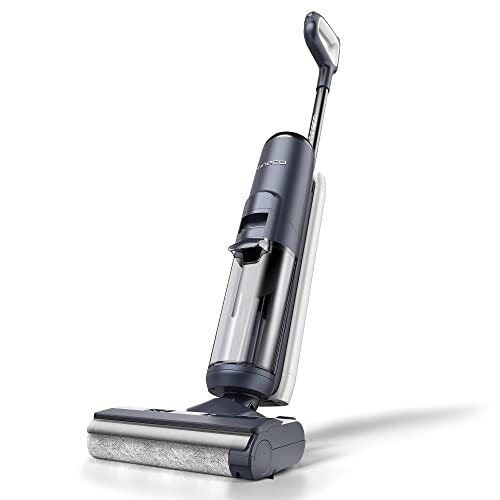
Modern cordless stick vacuums often provide digital suction controls to fine-tune floorhead behavior on demanding carpeting. The PKUYIE Cordless Vacuum Cleaner for DeWalt 20V Battery provides selectable suction modes that let operators drop suction from maximum power down to moderate levels. Reducing airflow slightly prevents the nozzle from gripping carpet fibers too aggressively while keeping the brush roll spinning at full agitating speed. In homes with diverse flooring, alternating between carpet vacuums and multi-surface vacuum and mop machines keeps each surface clean without pushing single-purpose attachments beyond their operating limits.
Hose Diameters, Fitment Adapters, and Universal Attachments
Adding an aftermarket or universal carpet head to an existing vacuum requires careful attention to hose connection dimensions. Utility vacuums, canister units, and wet/dry cleaners employ several distinct connection standards across different brands and models. Common household canister wands typically measure 1-1/4 inches in outer diameter, whereas utility cleaners often utilize 1-1/2 inch or 2-1/4 inch hoses. An attachment designed for a compact household cleaner will not mount securely onto a heavy-duty shop vacuum without appropriate sizing hardware.
Universal attachment kits solve sizing mismatches by including stepped friction-fit adapter collars to bridge differing tube circumferences. The for Shop Vac Turbo Brush Head Vacuum Attachment provides a multi-size adapter bundle engineered to interface with 1-1/4, 1-3/8, 1-1/2, and 2-1/4 inch hose connections. These adapters slide securely over the rigid wand end, preventing air leaks that would otherwise diminish suction velocity at the cleaning head. Ensuring an airtight friction fit preserves the negative pressure required to spin internal turbine wheels and lift carpet debris.
While mechanical attachments with friction collars adapt easily to standard round wands, motorized floorheads require specific electrical connections that cannot be swapped universally. Electric power nozzles rely on internal wiring channels, locking pins, and voltage ratings matched directly to the vacuum handle and battery system. Trying to adapt an electric motorized head across incompatible vacuum brands can damage electrical connectors or void manufacturer coverage. When selecting a replacement or supplementary carpet tool, verify whether your vacuum wand supplies electric power or relies solely on vacuum airflow.
Routine Maintenance, Brush Inspection, and Airway Clearing
Maintaining your carpet cleaning head prevents mechanical failures and ensures consistent pickup across all room surfaces. Hair, sewing threads, and string fibers naturally migrate toward the ends of rotating rollers over weeks of regular use. As debris packs into the end bearings, friction increases and forces the drive motor or air turbine to work significantly harder. Periodically releasing the brush roll retaining clip lets you slide the roller out and slice away wrapped threads with grooming shears.
Inspecting the intake neck directly behind the brush roller helps catch clogs before they cause complete loss of suction. Coarse debris like paper scraps, dried leaves, or small carpet tufts can lodge in the swivel joint where the floorhead connects to the wand. A partial blockage in this tight bend restricts airflow, causing the vacuum motor to whine and reducing turbine roller speed. Unhooking the floorhead and checking the clear neck pathway with a flashlight ensures unobstructed passage for lifted particles.
Air-driven turbine tools require extra attention around their internal impeller housing to maintain spinning velocity. Dust and fine lint can bypass protective screens and coat turbine fan blades, adding rotational drag that slows down the brush roll. Many turbine heads feature access panels or removable bottom plates that permit cleaning the impeller compartment with compressed air or a soft brush. Keeping the turbine assembly free of compacted lint guarantees that airflow translates efficiently into mechanical brush agitation every time you clean.
Selecting the ideal vacuum head for your carpet requires evaluating your specific pile height, fiber resilience, and available vacuum power. Motorized powerheads deliver consistent deep cleaning on medium and thick pile carpets, while straight-suction tools protect delicate looped weaves and antique fabrics from mechanical friction. Air-driven turbine heads provide a versatile middle ground for utility cleaners on low-pile rugs when sufficient airflow is present. Taking time to match the floorhead to your flooring construction ensures deep soil removal, smooth machine handling, and long-lasting carpet beauty.


Write Your Review
No reviews yet. Be the first to share your experience!