


Households often struggle to balance upfront appliance costs against dependable cleaning power and lasting build quality. Determining %what is the best vacuum for the money% requires looking past surface-level marketing claims to evaluate core suction performance, filtration standards, and structural durability. An inexpensive model that loses airflow within months or scatters fine dust back into living spaces rarely delivers genuine financial value over time. Smart shoppers weigh the total cost of ownership, including replacement filters and collection bags, to ensure their investment keeps floors clean without unexpected expenses.
Different floor plans demand distinct cleaning mechanisms, ranging from heavy-duty upright agitators for plush carpets to lightweight canister wands for bare floors and stairs. Comparing performance specifications alongside reliable retail options, such as exploring curated vacuum cleaner selections, provides clarity on what features actually justify their price point. Examining motor amperage, cord length, filtration media, and included attachments helps identify machines that truly pull their weight. By focusing on practical functionality rather than gimmicks, you can secure dependable cleaning equipment that serves your household for years.




Evaluating Long-Term Performance and Value in Vacuum Cleaners
Pinpointing genuine value in floor care equipment requires analyzing how well a machine balances mechanical pickup, filtration efficiency, and component durability against its overall cost. A purchase provides authentic economy only when it cleans your specific flooring effectively and operates reliably over years of routine household maintenance. Examining structural materials, motor design, and the recurring cost of consumables reveals which vacuum configurations deliver dependable value rather than temporary convenience.
Understanding Value Beyond the Upfront Purchase Price
Initial retail pricing rarely tells the complete financial story of owning a vacuum cleaner. Low-cost machines frequently rely on brittle plastic latches, fragile motor housings, and low-grade filters that degrade rapidly under regular household stress. When a budget vacuum loses suction or suffers motor failure within a single year, the expense of premature replacement quickly eclipses any initial savings. Evaluating structural integrity, such as metal wand components and heavy-duty motor housings, offers a clearer picture of whether a vacuum can withstand years of active service.
Ongoing maintenance expenses form an essential part of long-term value calculations for any cleaning setup. Bagged vacuum models require a steady supply of replacement bags, but they protect the internal motor by trapping abrasive grit inside disposable media. Bagless units eliminate recurring bag purchases, yet they often demand frequent filter washings and eventual primary filter replacements to maintain adequate airflow. Factoring in the availability and pricing of genuine replacement parts prevents frustrating surprises after bringing a new machine home.
Motor specifications and electrical efficiency also dictate whether a machine offers solid utility for its price point. A high-amp motor draws substantial power, but effective cleaning depends equally on optimized airflow paths and sealed suction channels. Poorly sealed vacuum bodies allow air to escape before it reaches the floorhead, wasting electrical energy and reducing pickup capability on stubborn debris. Choosing a model with a sealed housing and properly calibrated motor ensures every watt of electrical draw translates into real cleaning power.
Warranty coverage and brand repairability further distinguish a worthwhile investment from an appliance destined for an early landfill. Manufacturers that build equipment with replaceable belts, serviceable brushrolls, and accessible motor filters provide a practical pathway to extend machine life. Conversely, sealed throwaway units force consumers to discard entire machines over minor component failures. Prioritizing modular designs with available replacement components ensures you can address normal wear without buying a brand-new appliance.
Corded Reliability Versus Cordless Battery Ownership Costs
The debate between corded durability and cordless convenience is central to evaluating value in modern vacuum cleaners. Cordless stick vacuums offer undeniable ease of movement, but their lithium-ion battery packs naturally degrade after several hundred charge cycles. Replacing proprietary battery packs can represent a substantial percentage of the vacuum’s original cost, adding unexpected long-term ownership expenses. In contrast, corded units deliver unlimited continuous runtime and consistent suction from start to finish without battery decay concerns.
Corded architectures also allow manufacturers to install larger, more powerful motors without concern for battery depletion rates. A direct wall connection supports high-amperage motors capable of sustained deep-cleaning agitation across dense carpeting and heavy area rugs. Users tackling extensive square footage never face the frustration of a fading battery midway through a cleaning session. For busy households that require reliable, uninterrupted cleaning power, corded machines often represent the most cost-effective long-term solution.
Managing a power cord requires minimal adjustment when the machine incorporates generous cord lengths and thoughtful storage clips. Models equipped with cords measuring twenty-five to thirty feet allow operators to clean multiple connected rooms from a single electrical outlet. Quick-release cord hooks make deployment fast, while durable cord jackets resist kinks and abrasion along baseboards and door frames. Selecting an ample cord length minimizes outlet swapping, bridging the gap between corded endurance and everyday maneuverability.
Upright Cleaners and Agitation on Carpeted Surfaces
Homes with wall-to-wall carpeting or thick area rugs require mechanical agitation that standard straight suction alone cannot provide. Upright vacuums like the Simplicity S20EZM Allergy Bagged Upright incorporate dedicated brushrolls driven by powerful 12-amp motors to dislodge embedded soil from deep carpet fibers. Continuous brushroll agitation lifts crushed pile, while multi-surface height adjustments prevent the nozzle from sealing too tightly against dense carpet backing. Without proper height regulation, a vacuum can bog down, strain its drive belt, or fail to pull dirt from the carpet base.
Maneuverability and reach define how practical an upright vacuum remains during comprehensive cleaning sessions across the house. Models equipped with long power cords, such as a 30-foot cord, allow users to navigate multiple rooms without constantly unplugging and hunting for new electrical outlets. Stable bases fitted with rubber wheels glide smoothly across transitions between carpet and delicate hard flooring without leaving scuff marks or dulling hardwood finishes. Integrated aluminum telescopic wands expand reach further, enabling users to address baseboards, drapes, and high corners without dragging separate auxiliary machines.
While upright designs excel at deep carpet cleaning, they can present physical challenges for households with complex stairs or tight furniture arrangements. For deeper extraction needs on high-traffic carpeting, homeowners sometimes supplement dry vacuuming with specialized equipment such as a deep carpet extractor machine. Upright units typically carry a heavier footprint, making them less agile when maneuvering under low clearance tables or along narrow stair treads. Balancing the deep-cleaning prowess of an upright against your home layout ensures you do not invest in more bulk than your space comfortably accommodates.
Canister Maneuverability for Multi-Surface and Above-Floor Tasks
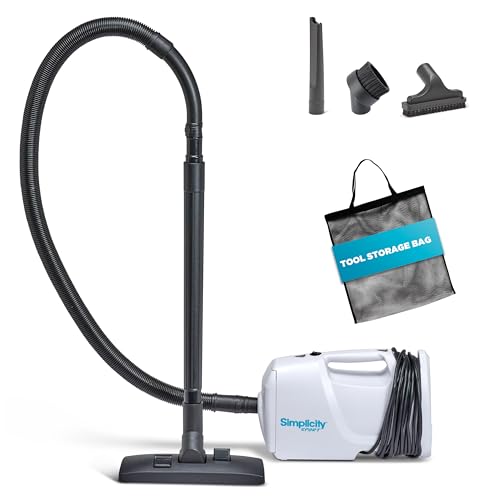
Canister vacuums provide exceptional flexibility for homes featuring mixed flooring, extensive stairs, or tight architectural angles. The Simplicity Vacuums Handheld Canister Vacuum demonstrates this adaptability by pairing a lightweight body with a dedicated shoulder strap for mobile cleaning. Separating the motor housing from the floorhead reduces hand-held weight, allowing the operator to glide the cleaning nozzle across stair risers, automobile upholstery, and shelving with minimal physical strain. This ergonomic distribution makes canister designs particularly appealing for multi-level dwellings and recreational vehicles.
Variable suction controls provide essential versatility when transitioning between sturdy floor surfaces and delicate furnishings. High suction settings effectively lift grit from ceramic tile and hardwood crevices, while adjustable bypass valves or motor speed controls prevent the nozzle from snatching lightweight curtains and delicate accent rugs. Incorporating dedicated accessories, including flexible hoses, dusting brushes, and specialized crevice tools, ensures the vacuum handles diverse textures without scratching polished surfaces. A blower port further expands utility by dislodging dry debris from garage workbenches or patio door tracks.
Bag capacity and cord reach remain key operational considerations when evaluating canister vacuum efficiency. A 25-foot cord combined with an extended flexible hose delivers generous cleaning radii, minimizing the disruption of frequent outlet switching across open living areas. Disposable synthetic bags, such as genuine SS-6 replacements, keep collected dust fully contained during disposal, preventing plumes of debris from escaping back into the room. Maintaining proper bag replacement schedules when the bag reaches two-thirds capacity preserves motor cooling and sustains strong airflow throughout the cleaning process.
Specialized Handhelds for Detail Tasks and Sensitive Electronics
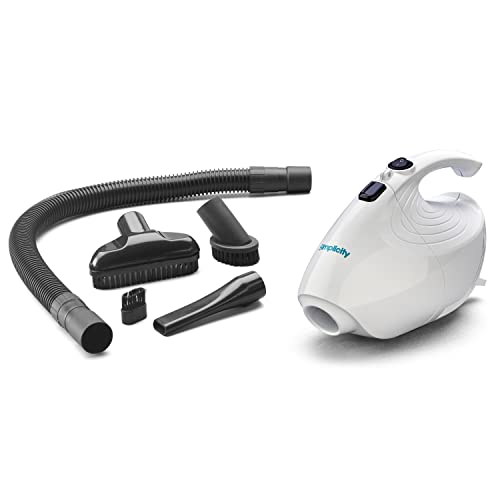
Certain cleaning tasks do not justify unpacking a full-sized upright or canister appliance. Compact corded handheld units, such as the Simplicity Flash Mini Handheld Vacuum F1, deliver targeted suction for quick craft cleanups, sewing areas, and vehicle interiors. Unlike battery-powered portable vacuums that experience diminishing runtimes as rechargeable cells age, corded handheld models maintain consistent electrical output throughout extended detailing sessions. A 14-foot power cord provides sufficient travel around car seats, workbenches, and furniture seams without battery depletion anxiety.
Specialized cleaning environments, particularly sensitive computer equipment and electronics, require dedicated air handling systems. The Metro Vacuum MDV-1BA DataVac 4.5-AMP Computer Vac/Blower highlights the value of purpose-built equipment through its all-steel construction and dual vacuum-blower capabilities. Standard household vacuums can generate static electricity that risks damaging sensitive printed circuit boards and electronic components. In contrast, heavy-duty utility vacs equipped with micro-cleaning attachments and pinpoint air nozzles offer a safe, reusable alternative to disposable canned air.
For small spot cleanings around dining areas or food prep spaces, many households rely on lightweight handheld cleaners for quick spot pickups. These compact devices excel at gathering dry crumbs, lint, and pet fur from upholstery before debris gets ground into woven fabrics. Washable dust cups and secondary rinseable filters keep ongoing operational costs minimal for compact hand vacs, provided filters dry completely before reinstallation. Selecting a specialized handheld model suited to your specific hobby or workspace prevents unnecessary wear and tear on your primary floor machine.
Dust Containment: Sealed HEPA Bags Versus Bagless Chambers
Air filtration efficiency directly influences indoor air quality and mechanical longevity across all vacuum categories. Premium bagged systems utilize certified HEPA media filtration, such as Simplicity Type A SAH-6 replacement bags, designed to trap 99.97% of fine particles down to 0.3 microns. These multi-layer bags capture airborne pollen, dust mite waste, and fine dander, preventing microscopic particles from exhausting back into living spaces. Rubber sealing gaskets and sturdy cardboard collars maintain an airtight junction inside the vacuum compartment, ensuring dirty air passes exclusively through the filter media.
The operational choice between bagged containment and bagless collection chambers fundamentally impacts user convenience and hygienic maintenance. Bagless dust cups eliminate recurring supply expenses, but emptying a dusty container frequently releases a cloud of respirable debris back into the room. Bagged compartments seal debris securely, making disposal quick, clean, and far more hygienic for households sensitive to dust exposure. Reusing disposable bags should always be avoided, as clogged pores restrict airflow, strain the vacuum motor, and can eventually cause bag ruptures.
Secondary motor filters and exhaust filters require structured inspection schedules to maintain optimal machine performance. Upright units, including the S20EZM series, depend on secondary filters that protect the motor impeller from stray grit in the event of improper bag installation. Manufacturers typically advise replacing secondary filters every six to twelve months, or immediately if foul odors develop during operation. Consistent filter upkeep guarantees consistent suction pressure, keeps motor temperatures within safe operating thresholds, and extends the overall service life of the machine.
Maintenance Routines That Protect Suction and Extend Machine Life
Routine preventative care directly protects your investment and ensures your vacuum continues operating at peak mechanical efficiency. Brushrolls accumulate hair, string, and carpet fibers over time, which can bind end bearings and place heavy drag on the drive motor. Periodically clearing tangled debris from the brushroll bristles and checking the drive belt for tension loss prevents motor overheating and maintains crisp agitation. Disconnecting power before inspecting mechanical parts is a fundamental safety precaution that prevents accidental motor engagement during servicing.
Airflow obstructions in wands, hoses, and floorhead inlets represent the most frequent cause of sudden suction loss. When fine debris or large items lodge in the suction pathway, motor backpressure increases and cooling airflow drops dramatically. Checking the intake channel visually and removing obstructions using gentle, non-destructive tools restores proper airflow without damaging plastic linings. Listening for changes in motor pitch can alert users to emerging clogs before restricted airflow causes thermal overload switches to trip.
Managing storage conditions also influences how well vacuum components hold up over multiple seasons of household use. Keeping flexible hoses coiled naturally without sharp bends prevents stress cracking along the flexible ribbed plastic walls. Storing fabric storage accessories, such as ALMING Compression Bags, alongside your cleaning gear helps maximize closet space while keeping seasonal linens protected from ambient humidity and dust. Taking deliberate care of both your primary floor tools and storage accessories ensures your entire household care system functions smoothly.
Aligning Machine Capabilities With Your Flooring Priorities
Selecting the most cost-effective vacuum ultimately depends on an honest evaluation of your household flooring and cleaning habits. A powerful upright with motorized agitation represents the best value for extensive carpeting, while homes dominated by hardwood, tile, and multi-level stairs benefit far more from an agile canister system. Compact corded handhelds and specialized utility vacuums fill valuable secondary roles for vehicle detailing, delicate electronics, and quick spot cleanings. Prioritizing robust build quality, effective filtration, and appropriate attachments over fleeting novelty features guarantees a floor care purchase that delivers outstanding returns for years to come.






Write Your Review
No reviews yet. Be the first to share your experience!