


Shielding Bare Wood Against Moisture and Daily Wear
Raw wood planks absorb moisture rapidly, leading to warping, discoloration, and stubborn liquid stains before a topcoat ever cures. Applying a dedicated primer layer stabilizes raw boards, closes porous grain pathways, and prevents finish peeling down the line. Homeowners tackling renovations often look for reliable Of For Durable Protection options to build a clean, enduring foundation under heavy traffic. Selecting the right sealer reduces sanding ridges and keeps subsequent coats from sinking unevenly into thirsty fibers. For daily maintenance once floors cure, pairing your sealed planks with a premium hardwood floor cleaner helps preserve the finish without dulling residues.
Drying schedules dictate floor-finishing progress, especially when multiple coats must go down in a single afternoon. Formulations engineered with a two-hour dry time and low VOC emissions let you recoat quickly while keeping indoor air quality manageable. Analyzing product specifications and user feedback reveals that dependable sealers lay flat, resist lap marks, and minimize grain raise without requiring harsh solvents. Paying attention to manufacturer coverage rates ensures seamless color uniformity across residential spaces without uneven gloss or flashing.
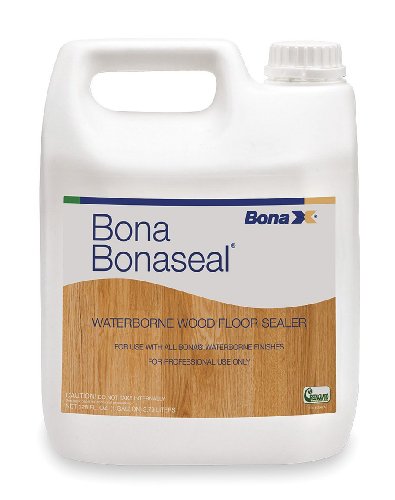
Pros
- Generous 1-gallon (128 fl oz) volume suited for room-scale floor refinishing tasks
- Rapid 2-hour drying timeframe minimizes waiting intervals before recoating
- Clear finish maintains the authentic grain and natural look of wood flooring
- Bona brand pedigree offers recognized reliability for wood floor maintenance and finishing
Cons
- Product catalog listing offers minimal detailed technical coverage metrics
- Not designed as a standalone final finish and requires pairing with a compatible topcoat
- Requires confirmation with manufacturer guidelines for specific wood species compatibility
The Bona Floor Sealer in a 1-gallon (128 fl oz) container is a dedicated wood floor base coating designed for residential and light commercial hardwood refinishing projects. Supplied as a clear formulation, it suits DIY homeowners, property managers, and renovators who need to seal raw or freshly sanded hardwood flooring prior to applying protective finish coats.
Applying a dedicated sealer is a practical step in any floor-refinishing schedule. Rather than applying a protective topcoat directly onto porous, bare timber, this clear sealer helps establish an even foundational coat across the planks. The 128-fluid-ounce volume provides adequate liquid for treating standard rooms or hallways, helping reduce uneven penetration and lap marks during subsequent finish applications.
Product specifications highlight a clear color profile and a listed 2-hour dry parameter. In wood-floor finishing, a fast 2-hour dry window helps minimize downtime between the initial seal application and the follow-up polyurethane or topcoat layers. Bona has long formulated finishing products to integrate smoothly with residential hardwood workflows, keeping project timelines moving forward efficiently.
Proper application of any wood floor sealer depends heavily on thorough surface preparation. The wood floor must be properly sanded, vacuumed, and free of lingering dust, wax, or contaminants prior to application. Using a standard T-bar, roller, or pad applicator according to manufacturer directions helps achieve an even, thin spread across the floor surface without puddling in board seams.
Buyers should keep in mind that this sealer is not a final wear layer and will not protect the wood from foot traffic on its own. It is designed solely as a preparatory base coat that must be sealed with a compatible topcoat finish. In addition, exact square-foot coverage will vary depending on wood porosity, so checking official Bona technical datasheets before ordering is advised.
For homeowners and renovators undertaking a hardwood floor restoration, the Bona 1-gallon clear floor sealer provides a dependable, fast-drying foundation from a respected brand. When paired with proper surface prep and an approved topcoat, it helps ensure a clean, uniform finish across your wood floors.
The Bona Floor Sealer features a fast listed 2-hour drying window under standard ambient conditions. This short turnaround helps prevent prolonged delays when applying subsequent coats of finish to hardwood flooring.
For optimal results, apply the liquid evenly using an approved applicator tool across clean, thoroughly abraded bare wood. Ensure adequate ventilation and maintain stable indoor temperatures during the application and drying process.
This clear sealer is intended for bare or completely sanded wood flooring surfaces prior to the application of a protective topcoat. It creates a stable barrier that helps seal the wood grain evenly.
Always verify compatibility between this base sealer and your planned topcoat finish, particularly when working with tannin-rich or exotic hardwood species that may have specialized finishing requirements.
Frequently Asked Questions About Floor Care
How long does this floor sealer need to dry between coats?
It typically requires two hours of drying time under normal interior temperature and humidity conditions. The listed 2-hour dry window allows you to apply multiple coats in a single workday without extensive downtime. High indoor humidity or low room temperatures can extend this drying period slightly before you can safely abrade or topcoat the surface.
Can a floor sealer be used as the final protective topcoat?
No, a dedicated floor sealer is designed as a foundational basecoat rather than a standalone protective finish. Sealers penetrate and stabilize raw wood grain to prevent subsequent finish coats from soaking in unevenly or causing sidebonding. You should always apply a compatible commercial or residential polyurethane finish over the sealed wood to ensure abrasion resistance.
How does a low VOC floor sealer benefit residential indoor projects?
Low VOC formulations release significantly fewer volatile organic compounds, reducing harsh solvent odors and improving indoor air safety. This feature allows faster room re-entry without lingering chemical fumes during interior refinishing projects. It also minimizes respiratory irritation for sensitive household members during application.
How much surface area does one gallon of hardwood sealer cover?
One gallon generally covers between 400 and 500 square feet of bare timber, depending on wood porosity and application technique. Open-grain species like red oak absorb more liquid than denser species like maple, slightly reducing overall spread rates. Maintaining proper applicator thickness prevents puddling and ensures an even, uniform base layer across the entire floor.
How should you maintain sealed hardwood floors once the finish cures?
Routine dry dust mopping combined with a gentle, pH-neutral cleaner keeps finished surfaces pristine. Never use excess water, steam mops, or harsh ammonia-based detergents on sealed timber, as trapped moisture can compromise floor seams. If minor surface abrasions appear over time, applying an approved wood floor restorer helps refresh dull spots without a full sand-and-refinish cycle.
Does Of For Durable Protection require sanding before applying the finish coat?
Light abrading is often recommended if the sealer cures beyond the designated recoat window. Sanding or screening with a fine abrasive pad knocks down raised wood grain to create a flat, smooth foundation for the protective topcoat. Always vacuum thoroughly with a dedicated bare-floor tool and tack the surface with a microfiber cloth before applying finish.


Write Your Review
No reviews yet. Be the first to share your experience!