


Accidental liquid spills, plumbing leaks, and flooded entryways happen unexpectedly in any busy household. When water pools on fibers, reaching for a standard upright or canister vacuum might seem like the quickest way to pull out the moisture before it stains. However, asking is it bad to vacuum wet carpet is a vital first question before running any motorized cleaning appliance over a damp floor. In truth, using a typical household vacuum cleaner on wet flooring can ruin your machine, void its warranty, and even create serious electrical hazards. For deep water removal, homeowners often evaluate carpet extractors designed for home use rather than risking everyday dry vacuum cleaners.
Household dry vacuums rely on direct airflow to cool their motors, meaning damp debris and standing liquid pass straight into sensitive mechanical parts. This moisture clogs internal filters, ruins motor bearings, and creates an environment where foul odors and mildew thrive. Dedicated utility machines, like compact wet/dry shop vacuums, are built with insulated motors and moisture barriers specifically intended to handle wet pickup safely. Understanding the mechanical differences between wet extraction machines and traditional dry vacuums protects both your flooring investment and your home appliances.

The Mechanical and Environmental Impact of Vacuuming Wet Carpet
Standard dry vacuum cleaners are engineered exclusively to lift dry dirt, pet dander, and loose dust particles from carpet pile. Introducing water or even moderate dampness into an ordinary vacuum creates immediate mechanical hazards while failing to extract the liquid properly. Water droplets interact with dust already lodged in the airflow path, turning fine particulate into a thick mud that coats internal components. Determining whether is it bad to vacuum wet carpet comes down to the exact type of machine you intend to use. While ordinary dry vacuums should never touch standing water, purpose-built wet/dry vacuums can safely pull moisture without putting the operator or the appliance at risk.
The Immediate Electrical and Motor Dangers
Standard domestic upright and stick vacuums draw air through the floorhead, pass it across the dust container, and channel that same air directly across the electric motor for cooling. When you vacuum wet carpeting, moisture travels directly into the motor chamber along with the high-velocity airstream. Water conducts electricity, which can instantly bridge electrical contacts, cause severe arcing, or trigger a complete short circuit. In the worst cases, this moisture creates a distinct shock hazard for the person holding the handle, especially if the machine lacks a grounded power cord.
Even if an immediate short circuit does not occur, water quickly destroys internal motor bearings and carbon brushes. The high rotational speed of an electric vacuum motor causes moisture to shear lubricant away from sealed or semi-sealed bearings within seconds. As friction increases, the motor generates extreme heat, produces a sharp acrid odor, and can seize permanently. Most manufacturer warranties explicitly state that water intrusion in a dry appliance voids all repair coverage. A single pass over saturated carpet can render an expensive household vacuum completely useless.
Destruction of Filters and Internal Airflow Paths
Traditional household vacuums rely on pleated paper, synthetic cloth, or foam filters designed to capture dry particulate. When wet carpet fibers introduce water into the intake path, these filters absorb the liquid instantly. Paper filters lose structural rigidity when saturated, causing pleats to collapse under the vacuum’s suction pressure and tear open. Once a filter tears, dirty air bypasses filtration entirely, allowing abrasive grit to impact the high-speed fan impeller.
Synthetic HEPA filters face a different problem when exposed to moisture and dry dust simultaneously. Fine dust particles combine with water to create an impermeable paste that solidifies within the microscopic pores of the filter media. This paste chokes airflow almost instantly, causing the motor to work against extreme resistance and overheat. Washing or air-drying a standard paper or non-washable filter rarely restores its original airflow characteristics. The only viable remedy after water contamination is typically discarding the ruined filter and purchasing a compatible replacement.
Mold, Mildew, and Odor Contamination Inside Vacuums
Even if a dry vacuum survives the initial electrical shock and motor heat, trapped moisture creates a serious biological issue. Household dust contains organic matter, including skin flakes, pet dander, food crumbs, and outdoor soil. When water mixes with this debris inside the corrugated hose, cyclonic shroud, or dustbin, it creates an ideal breeding ground for mold and bacteria. Fungal spores can begin germinating within 24 to 48 hours in dark, humid environments.
Once mold establishes colonies inside internal plastic ductwork, removing the odor becomes nearly impossible without dismantling the entire chassis. Every time you power on the vacuum in the future, the exhaust air blows musty smells and microbial spores throughout your living areas. Cleaning the outer dust canister rarely reaches the deep recesses of the internal air pathways and motor housing. The lingering stench often forces homeowners to discard an otherwise functional machine simply because it contaminates indoor air quality.
Carpet Fiber and Structural Delamination Risks
Running a motorized brush roll over wet carpeting can also inflict severe mechanical damage on the flooring itself. Wet carpet fibers become weakened and far more susceptible to friction damage from spinning nylon bristles. A high-speed brush roll can fray wet yarn ends, leading to unsightly fuzzing, matting, or permanent fiber distortion. Turning off the brush roll prevents surface friction, but an ordinary floorhead still fails to generate the sealed lift necessary to pull liquid out of the pile.
Excess moisture can also loosen the adhesive holding the primary carpet backing to the secondary backing material. Vigorous vacuuming with an improper floor tool can stretch and delaminate damp carpet, leaving permanent ripples across the room. Furthermore, wet carpet padding underneath acts like a dense sponge that traps dirty water against the subfloor. Surface vacuuming without sufficient lift simply smears surface grime across damp fibers while leaving the lower layers completely saturated. For homes dealing with frequent liquid accidents, investing in dedicated wet pet mess vacuums provides a far safer method for targeted extraction without harming backing glue.
Safe Extraction: Using Certified Wet/Dry Utility Vacuums
When dealing with spills or minor flooding, purpose-built wet/dry vacuums are the correct tool for the job. These appliances feature bypass motors that use an entirely separate cooling airflow, isolating electrical circuits from the moist intake air. Liquid and damp debris flow directly into a durable collection drum without ever passing across the motor windings. This engineering separation eliminates the risk of electrical short circuits and prevents moisture from ruining the drive mechanism.
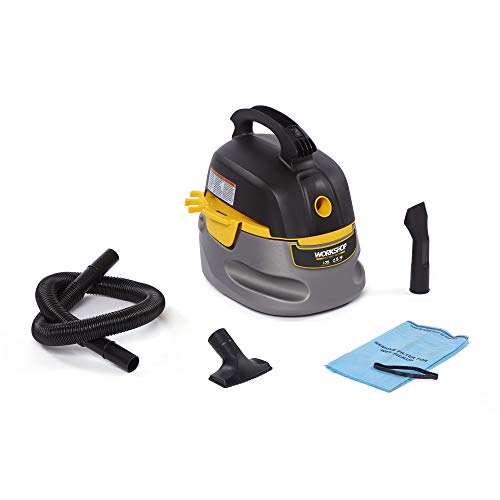
A practical example is the WORKSHOP Wet/Dry Vacs WS0255VA 2.5-Gallon 1.75 shop vacuum cleaner. This compact utility vacuum features a stable, flat-bottom design that helps prevent tipping while moving across uneven, saturated carpet surfaces. Its 1.75 peak horsepower motor delivers robust suction through a 4-foot friction-fit hose, making it convenient for localized water extraction. Because the unit incorporates dedicated on-board accessory storage, users can keep utility nozzles ready for sudden leaks without searching through tool sheds.
Capacity is an important operational detail to keep in mind when using compact shop vacuums. While the WORKSHOP WS0255VA lists a 2.5-gallon drum volume, actual collection capacity depends on the debris type, filter condition, and liquid volume. An internal float mechanism rises as water fills the drum, eventually shutting off suction to prevent liquid overflow into the motor housing. Operators should monitor liquid levels closely during major extraction tasks and empty the drum frequently to maintain consistent performance.
Preparing a Wet/Dry Vacuum for Liquid Extraction
Before turning on a shop vacuum for liquid recovery, you must configure the internal filtration setup correctly. Leaving a dry paper dust bag inside the drum during wet pickup will ruin the bag within seconds. The WORKSHOP WS0255VA, for instance, includes a filter bag with a retaining band and supports compatible filter bags like the WS01025F and WS01025F2 for dry debris. These paper-based collection bags must be removed completely before vacuuming standing water or saturated carpet.

For wet operation, wet/dry vacuums generally require either an open drum configuration or a dedicated foam filter sleeve. Foam filters protect the impeller from coarse debris while allowing water to pass smoothly into the tank. Always check your specific product manual to verify whether the manufacturer mandates a wet foam filter or permits filter-free liquid pickup. Running a machine without checking its manual can result in dirty water misting out through the exhaust port.
Selecting the right floor attachment also makes a noticeable difference in extraction efficiency. Narrow car nozzles work well for concentrated spots, but a wider utility nozzle provides better surface contact across open carpet expanses. Firm downward pressure helps create a functional seal against damp carpet fibers, maximizing the lift needed to pull water from the backing. Inspecting hoses for clogs before starting prevents dirty blockages from restricting airflow during wet operations.
Step-by-Step Moisture Extraction Techniques on Wet Pile
Effective moisture extraction requires a deliberate, patient approach rather than rapid back-and-forth passes. Position the utility nozzle firmly against the carpet surface and pull the tool slowly backward in overlapping strokes. Moving slowly gives atmospheric pressure time to push trapped water upward through the nozzle and into the hose. You can often see water moving through a semi-translucent nozzle or hear the liquid entering the drum.
Work in small sections, moving methodically from the outer edges of the damp area toward the wettest center. Applying moderate downward pressure compresses the carpet pile slightly, which squeezes water out of the underlying pad. Empty the collection drum as soon as the pitch of the motor changes, which indicates that the internal safety float has sealed the intake. Trying to force more water into a full drum causes suction loss and puts unnecessary strain on the motor.
If dealing with hard-surface transitions nearby, consider how different floor types handle standing water. Water often migrates along baseboards and beneath carpet tack strips into neighboring rooms. In homes with mixed flooring, homeowners frequently evaluate specialized vacuum and mop combos to safely manage moisture on tile, laminate, or sealed hardwood. Keeping wet extraction focused on the problem area prevents secondary water damage to adjoining floor coverings.
Accelerating Carpet Drying After Extraction
Extracting water with a wet/dry vacuum removes the bulk liquid, but carpet fibers will remain damp to the touch. Complete structural drying must occur quickly to prevent mold spores from colonizing the carpet backing and underlayment. The crucial standard in water damage remediation is achieving thorough drying within 24 to 48 hours of initial wetting. Failing to meet this timeframe dramatically increases the probability of fungal growth and structural degradation.
High-volume airflow is essential for speeding up evaporation from wet carpet pile. Position oscillating fans or high-velocity floor blowers to move air directly across the damp surface. If the outdoor air is warm and dry, opening windows can help vent humid air out of the building. In humid climates, keep windows closed and run a heavy-duty dehumidifier in the center of the room to pull airborne moisture out of the space.
Inspect the carpet padding beneath the surface to determine whether water has penetrated completely through the backing. In cases of substantial flooding, pulling back the carpet edge and lifting the damp pad allows air to circulate underneath. If the padding remains saturated for more than 48 hours, replacement of the pad is usually necessary to protect the subfloor. Never reinstall or seal carpet edges until moisture meters confirm that both the subfloor and backing are completely dry.
Remediation Steps If You Accidentally Vacuumed Water
If someone in your home accidentally used a regular dry vacuum on wet carpet, immediate action can sometimes mitigate damage. Turn off the power switch immediately and disconnect the electrical plug from the wall outlet. Avoid touching metal components or damp areas of the machine while the power cord is still connected to live current. Disconnecting the power source prevents further short circuits and protects you from potential electrical shocks.
Carry the vacuum to a dry, well-ventilated garage or utility area to begin disassembly. Remove the dust cup, canister, or dust bag and discard any wet debris and soaked filter media immediately. Wipe down the interior surfaces of the dust chamber with dry paper towels to remove damp mud and residue. Detach the wand and flexible hose, checking inside for wet clogs that could harden into solid obstructions as they dry.
Leave all access doors, bin lids, and hose ports wide open to allow maximum airflow through the machine. Do not attempt to turn the vacuum back on for at least 48 to 72 hours while all internal moisture evaporates completely. Placing the unit near a fan or dehumidifier can accelerate the internal drying process. If the machine emits a sharp burning odor, clicks repeatedly, or trips a household circuit breaker upon restart, the motor has suffered permanent damage and requires professional service or replacement.
Post-Cleanup Maintenance for Wet/Dry Equipment
Proper maintenance after wet extraction ensures your shop vacuum remains clean, functional, and ready for future use. Never leave extracted water sitting inside the vacuum drum for extended periods. Standing water inside a closed tank rapidly turns stagnant, producing intense odors and promoting bacterial growth. Dump the collection drum outdoors or into a utility drain immediately after completing the water extraction job.
Rinse the interior of the collection tank with clean tap water and a mild disinfectant to eliminate lingering grime. Run a small amount of clean water through the 4-foot hose while the vacuum is running to flush out sludge from internal corrugations. Afterward, remove the hose and accessories, wiping them dry or hanging them up to air-dry thoroughly. Allowing damp attachments to sit in an enclosed cabinet often leads to foul odors when the vacuum is next deployed.
Before reassembling the vacuum for dry tasks, confirm that every component is bone dry. Reinstalling a paper filter bag, such as the WORKSHOP WS01025F or WS01025F2, into a damp drum will ruin the paper material before you even turn on the switch. Inspect the power cord for any cuts or abrasions and wind it securely around the built-in storage hooks. Taking these basic maintenance steps keeps your equipment in reliable working order and ensures it lasts throughout its manufacturer warranty period.
Key Principles for Safe Carpet Moisture Recovery
Managing wet carpet requires understanding the functional boundaries of your cleaning equipment. Using a standard dry vacuum on damp carpeting is never worth the risk of electrical shock, motor burnout, and permanent odor contamination. Purpose-built wet/dry shop vacuums provide the isolated motor protection and high airflow necessary to tackle wet messes safely. By matching the right machine to the task and following structured extraction practices, you can protect both your home appliances and your carpet investment.








Write Your Review
No reviews yet. Be the first to share your experience!