


Identifying a quality machine starts with checking the suction power rating, filtration efficiency, and overall weight relative to your cleaning routine. A good vacuum cleaner balances strong airflow with a sealed system that traps fine dust, preventing it from recirculating into your living space. You do not need the highest price tag to find effective performance; instead, look for specific metrics like KPa ratings and battery runtime that align with your floor types.
The right tool depends heavily on whether you manage pet hair, high-pile carpets, or delicate hardwood surfaces. For example, a lightweight stick model may suit small apartments, while a heavier corded unit might be better for large homes with mixed flooring. By understanding these core specifications, you can avoid common pitfalls like underpowered motors or inadequate filter designs that lead to weak pickup over time. This guide breaks down the essential factors to check before making a purchase decision.


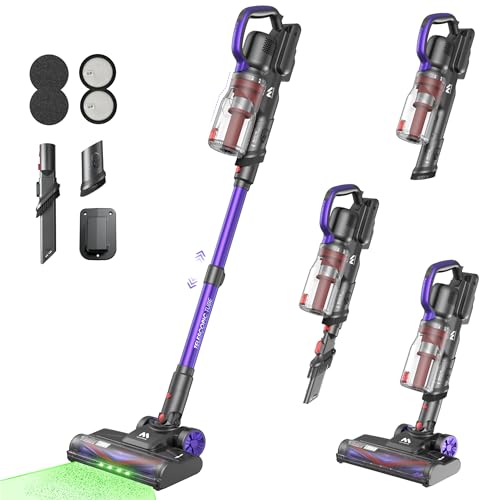


A reliable vacuum cleaner is defined by its ability to maintain consistent suction and trap particles effectively without clogging. The primary indicators are the motor’s suction power, the integrity of the filtration system, and the physical design that allows for easy maneuverability. These three elements work together to determine how well the machine handles different debris types and floor materials.
| Indicator | What to Look For | Why It Matters |
|---|---|---|
| Suction Power | High KPa rating (e.g., 45KPa+) | Lifts embedded dirt and pet hair |
| Filtration | Sealed, multi-layer or HEPA | Traps fine dust, reduces allergens |
| Weight | Under 5 lbs for stick models | Reduces strain on stairs and furniture |
| Battery | 60+ mins in eco mode | Allows full-house cleaning on one charge |
Before selecting a model, verify that the specifications match your specific cleaning needs. The following checklist helps you quickly assess if a product meets the standards for your home environment.
- Check the suction power rating in KPa to ensure it handles your floor type.
- Verify the filtration system is sealed to prevent dust leakage.
- Confirm the battery runtime matches the size of your home.
- Look for a lightweight design if you clean stairs or high areas.
- Ensure the brush roll is removable for easy maintenance.
Evaluating Suction Power and Motor Efficiency
Suction power is often measured in KPa, indicating the strength of the vacuum’s airflow. A higher KPa rating generally means the machine can lift heavier debris and embedded dirt more effectively. However, raw power does not always translate to better cleaning if the airflow is poorly directed. Look for models with brushless motors, which tend to be more efficient and produce less heat than traditional brushed motors.
For households with pets, suction is critical for removing hair from carpets and upholstery. A vacuum with a dedicated turbo mode can provide the extra boost needed for deep cleaning. Keep in mind that higher power modes consume battery faster, so balance the suction level with the area you are cleaning. If you have mostly hard floors, a moderate suction setting may be sufficient and extend your battery life.
Understanding Filtration and Air Quality
Filtration is the second most important factor in determining vacuum quality. A good vacuum should have a sealed system that captures dust and allergens inside the dust cup or bag. Look for multi-layer filtration or HEPA filters, which trap fine particles that can trigger allergies. If the filter is washable, it can be cleaned and reused, reducing long-term maintenance costs.
Some models include a self-cleaning system that helps keep the filter clear. This feature is particularly useful for users who do not want to manually clean the filter after every use. Check if the filter is easily accessible and removable, as this makes maintenance much simpler. A clogged filter reduces suction power, so regular cleaning is essential for maintaining performance.
If this topic is part of a bigger decision, best upright vacuum cleaner ratings is a useful related read.
Weight, Maneuverability, and Storage
The weight of the vacuum directly impacts how easy it is to use for extended periods. Lightweight models are ideal for quick cleanups and cleaning upstairs, as they reduce strain on your arms and back. Look for a self-standing design, which allows you to pause cleaning without leaning the machine against walls or furniture. This feature also makes storage more convenient in small spaces.
Maneuverability is another key aspect to consider. A vacuum with a swivel brush head can navigate around furniture legs and into tight corners more easily. This is particularly useful for homes with a lot of furniture or clutter. Check if the handle is adjustable, as this can help you find a comfortable position for cleaning. A well-designed vacuum should feel balanced and easy to control, even when fully loaded with debris.
Battery Life and Charging Time
For cordless vacuums, battery life is a critical factor. A good vacuum should offer enough runtime to clean your entire home on a single charge. Look for models with a runtime of at least 60 minutes in eco mode, which is sufficient for most average-sized homes. Some models offer a removable battery, allowing you to swap in a spare battery for extended cleaning sessions.
Charging time is also important to consider. A vacuum that takes several hours to charge may be inconvenient if you clean frequently. Look for models with fast-charge technology, which can reduce the time needed to get a full charge. Some models also include a charging station, which helps keep the vacuum organized and ready for use. Check if the battery is replaceable, as this can extend the life of the vacuum significantly.
For more on a connected point, our page on best mattress cleaner vacuum goes into it separately.
Brush Roll Design and Maintenance
The brush roll is responsible for agitating debris on the floor, making it easier for the vacuum to pick up. Look for a brush roll that is removable and easy to clean, as hair and debris can accumulate over time. Some models feature an anti-tangle design, which helps prevent hair from wrapping around the brush roll. This is particularly useful for households with pets or long-haired family members.
Check if the brush roll is suitable for your floor type. Some brush rolls are designed for carpets, while others are better for hard floors. A vacuum with a switchable brush roll allows you to adjust the cleaning mode based on the surface you are cleaning. This flexibility ensures that you get the best cleaning performance for each room in your home. Regular maintenance of the brush roll is essential for maintaining suction power.
Additional Features and Accessories
Additional features can enhance the usability of a vacuum cleaner, but they are not always necessary.
- Look for models that include a variety of attachments, such as a crevice tool, upholstery brush, and dusting brush.
- These attachments make it easier to clean specific areas, such as stairs, sofas, and car interiors.
- A vacuum with a large dust cup reduces the frequency of emptying, which is convenient for larger cleaning sessions.
Some models include a smart display that shows battery level, suction mode, and other useful information. This feature can help you monitor the vacuum’s performance and ensure you are using it efficiently. Check if the vacuum has a self-standing design, which is a useful feature for pausing cleaning. These additional features can make the vacuum more user-friendly and convenient to use on a daily basis.
Matching the Vacuum to Your Home
Choosing the right vacuum depends on the specific needs of your home. If you have mostly hard floors, a lightweight stick vacuum with a hard-floor mode may be sufficient. For homes with a mix of carpets and hard floors, look for a model with adjustable suction settings. Pet owners should prioritize vacuums with strong suction and anti-tangle brush rolls to effectively remove hair.
If you live in a small apartment, a compact and lightweight vacuum may be the best choice. Look for models that are easy to store and maneuver in tight spaces. For larger homes, a vacuum with a longer runtime and larger dust cup may be more suitable. Consider the layout of your home and the types of debris you typically encounter when making your decision. A vacuum that is well-matched to your home will provide better cleaning results and longer-lasting satisfaction.
Ultimately, a good vacuum cleaner is one that meets your specific cleaning needs and fits comfortably into your routine. By focusing on suction power, filtration, weight, and battery life, you can make an informed decision that will serve you well for years. Take the time to compare specifications and read reviews to ensure you are choosing a model that offers the best value for your money. A well-chosen vacuum can make cleaning easier and more efficient, helping you maintain a clean and healthy home.
If this topic is part of a bigger decision, best vacuum cleaner dust mite allergy is a useful related read.






Write Your Review
No reviews yet. Be the first to share your experience!