


Heavy workshop sawdust, unexpected basement water leaks, and coarse automotive grit quickly overwhelm ordinary household vacuum cleaners. Understanding how to choose a shop vac starts with recognizing that utility wet and dry machines handle bulky solids and standing liquids that would ruin standard household units. While standard home vacuums rely on rotating brush rolls and narrow air paths designed for carpets, utility vacs prioritize open airflow channels, rugged collection tanks, and adaptable hose diameters. Readers managing tough domestic spills or garage projects often compare utility models with dedicated handheld vacuums for kitchen mess to determine the right balance of portability and heavy-duty capacity.
Selecting the appropriate unit requires evaluating tank volume, motor output, filtration stages, and accessory compatibility rather than focusing on brand names alone. A compact unit handles localized workbench dust or automobile footwells, while high-capacity drums manage extensive workshop sawdust or substantial plumbing overflows. Households dealing with liquid spills alongside wet debris may also consider specialized pet stain vacuum options for indoor upholstery, but true wet and dry utility vacuums remain unmatched for coarse outdoor and workshop messes. Reviewing your primary cleaning tasks, storage footprint, and essential accessories will ensure you invest in equipment tailored to your specific demands.





Practical Considerations for Selecting a Wet and Dry Utility Vacuum
Selecting a dependable utility vacuum involves matching the machine’s physical layout, airflow dynamics, and filtration capability directly to your cleaning tasks. Homeowners and workshop hobbyists frequently discover that standard vacuums choke on sawdust, drywall residue, and standing garage puddles. Evaluating equipment systematically prevents the frustration of buying an underpowered unit that clogs constantly or an oversized drum that consumes excessive floor space. Careful planning also ensures your chosen vacuum integrates cleanly with existing power tools, specialized extension wands, and replacement adapters.
Matching Tank Capacity to Workshop and Household Cleanup Tasks
Tank volume represents one of the most prominent specifications you will encounter when determining how to choose a shop vac. Utility vacuums fall into three broad capacity tiers, ranging from small portable canisters holding under six gallons to sprawling commercial drums exceeding fourteen gallons. Compact units measuring between one and five gallons offer exceptional portability for spot cleanings, car detailing, and small benchtop operations. These smaller canisters store neatly beneath workbenches or inside utility closets, making them attractive for apartments and compact garages where floor space is limited.
Medium capacity models spanning six to twelve gallons represent the versatile sweet spot for most residential homeowners and DIY enthusiasts. These midsize units hold enough debris to handle moderate carpentry projects, seasonal porch sweeps, and minor plumbing drain overflows without demanding constant emptying. While they take up more storage room than compact hand-carry units, their wider caster bases provide stability against tipping when pulled across extension cords or rough concrete. A midsize vacuum balances practical debris collection against reasonable physical weight when filled with liquid.
Large utility vacuums with tanks of fourteen to twenty gallons are designed primarily for serious woodshops, active job sites, and significant flood remediation. Water weighs approximately 8.3 pounds per gallon, meaning a full fifteen-gallon drum exceeds one hundred and twenty pounds of dead weight. Anyone planning to extract bulk water should confirm that a large unit features a dedicated lower tank drain port for safe emptying. For lighter indoor surfaces, specialized units like hard floor vacuum mop combos clean sealed flooring more conveniently, leaving high-capacity utility tanks for heavy outdoor tasks.
Deciphering Motor Ratings: Peak Horsepower Versus Airflow and Sealed Suction
Motor performance is heavily emphasized in product advertising, but peak horsepower figures can easily mislead prospective buyers. Peak horsepower reflects the brief, maximum output a motor can produce before stalling in lab conditions rather than continuous operating power from standard household outlets. A standard fifteen-amp wall receptacle in North America cannot deliver sustained power equivalent to five or six true continuous horsepower. Relying solely on peak horsepower labels often gives an inaccurate impression of what the machine actually accomplishes during continuous cleanup.
Airflow measured in cubic feet per minute and sealed water lift provide reliable metrics for real-world suction performance. High CFM numbers indicate the volume of air moving through the collection chamber, which governs how quickly the vacuum carries sawdust and loose shavings. Meanwhile, water lift measures the motor’s ability to lift standing water vertically, making it crucial for pumping out blocked utility sinks or flooded basements. Evaluating these two measurements together helps you select a motor equipped to lift heavy liquids while sustaining strong airflow for dry debris.
Hose Diameters, Airflow Velocity, and Clog Prevention
The inner diameter of your vacuum hose dictates both the size of debris the system can swallow and the velocity of the incoming air. Standard utility vacuums typically feature hose fittings in 2-1/2-inch, 1-7/8-inch, or 1-1/4-inch configurations. A wide 2-1/2-inch hose easily collects wood chips, drywall fragments, and garden leaves without jamming, making it the preferred standard for rough shop floors. However, moving air through a wide hose requires substantial motor power to maintain the air velocity needed to keep heavier stones suspended.
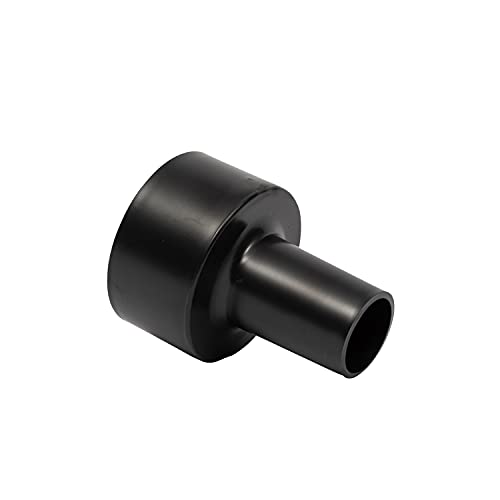
Narrower 1-1/4-inch hoses maximize localized air velocity and offer greater flexibility when vacuuming cramped automotive floorboards, furniture folds, or bench tools. Because these narrow hoses can clog if fed oversized chunks of plaster or wood shavings, they work best for fine dust, pet dander, and automotive grit. Stepped adapters and dedicated conversion couplings allow users to switch between hose sizes effortlessly. Specifically, the Shop-Vac 9068533 2.5 Inch to 1.25 Inch Conversion unit permits a large 2.5-inch vacuum drum to accept nimble 1.25-inch accessories for detailed vehicle detailing.
Many cleaning enthusiasts collect specialized attachments from multiple brands over time, leading to frustrating size mismatches at the wand connection point. Comprehensive adapter sets resolve these connection hurdles by bridging millimeter dimensions and imperial fractions. A modular setup such as the Vacuum Hose Adapter Kit 5-Piece bridges connections from 2-1/2 inches down to 1-1/4 inches and covers metric diameters like 32mm to 45mm. Investing in durable ABS plastic reducers preserves strong suction seals and prevents irritating vacuum air leaks during demanding cleaning sessions.
Filtration Systems for Dry Dust, Fine Particles, and Liquid Collection
Filtration configurations fundamentally dictate whether a shop vac retains microscopic particles or exhausts clouds of irritating dust back into the ambient air. Standard single-stage paper or cloth filters perform acceptably for coarse wood shavings and dry leaves but fail when processing fine masonry dust or cold fireplace ash. Fine particles quickly penetrate porous utility filters, coating the motor housing and redistributing throughout your garage. Matching your filter cartridge to the specific particle sizes generated in your workspace protects both the electric motor and your indoor air quality.

High efficiency cartridge filters and disposable collection bags represent the premier defense against fine drywall dust and workshop allergens. Installing a disposable dust collection bag inside the drum captures the bulk of fine powder before it ever reaches the primary pleated cartridge filter. This dual-stage barrier prolongs the life of pleated cartridges and allows clean disposal without releasing airborne dust plumes during tank dumping. When extracting deeply embedded soil or treating washed carpets, specialized carpet extractor machines provide dedicated spray and extraction cycles, whereas utility vacs focus strictly on bulk moisture removal.
Switching to wet extraction requires immediate adjustments to the internal filtration setup to prevent mold formation and motor damage. Pleated paper cartridge filters must be removed prior to vacuuming liquids, as wet debris will turn into a dense slurry that chokes airflow and ruins the paper medium. Users should install a washable foam filter sleeve over the internal float cage to shield the motor impeller from water droplets and floating sludge. Always inspect the manufacturer instructions for your specific unit to ensure you install the correct filter medium before beginning any wet pickup task.
Essential Attachments and Accessory Kits for Specialized Surfaces
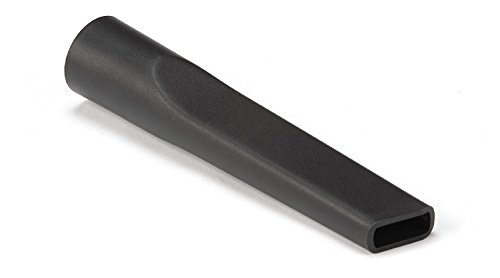
A utility vacuum is only as effective as the attachments connected to the working end of its extension wand. Basic factory kits often include only a utility claw nozzle and a single rigid wand, which leaves gaps when cleaning diverse home and automotive surfaces. Precision tools, such as the Shop-Vac 9061600 Crevice Tool, 1.25 Inch Diameter, slide into deep crevices between car seats and along baseboard tracks. Equipping your cleaning station with tailored wands ensures you do not waste motor power using the wrong attachment for irregular surfaces.
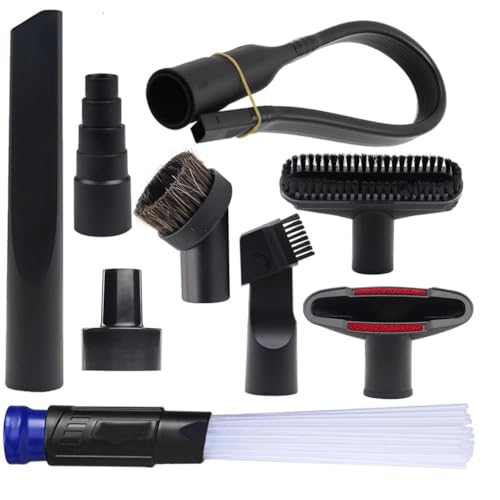
Comprehensive accessory bundles provide broad flexibility across varied residential cleaning tasks without requiring multiple single purchases. Multi-piece collections, such as the 9 Pcs Household Cleaning Vacuum Cleaner set and the ECOMAID 10 Pack Vacuum Attachments for Shop Vac, supply horsehair dusting brushes, flexible crevice tools, and stepped reducers. Natural horsehair bristles dislodge stubborn sawdust from fragile window blinds and vehicle air vents without scratching polished plastic or finished wood trim. Having multiple brush heads on hand allows you to switch between rough garage concrete and delicate interior trim in seconds.
Expanded attachment assortments offer specialized reaches that reduce physical fatigue during extensive cleaning sessions. Outfits like the GIB 13Pcs Universal Vacuum Attachments for Shop and the SEVNX Universal Vacuum Attachments Kits for Shop include rigid chrome-plated extension wands, multi-surface utility nozzles, and swivel floor brushes. These elongated extension wands allow users to reach high garage rafters, clean cobwebs from ceiling joists, and vacuum under heavy shop cabinetry without bending. Meanwhile, a dedicated wide head like the Replacement Floor Brush Designed To Fit Shop Vac sweeps broad workshop walkways efficiently, collecting stray sawdust in wide passes.
Drum Materials, Drain Ports, and Physical Maneuverability
The construction material of the collection drum influences the vacuum’s weight, dent resistance, and chemical resilience. Most modern utility vacuums feature high-density polyethylene or polypropylene tanks that resist rust, absorb accidental impacts, and remain lightweight. Stainless steel drums offer an attractive industrial appearance and resist abrasive wear from metal shavings, but they can dent under heavy impact and add noticeable weight. Wide-stance caster wheels provide necessary stability against tipping when rolling over extension cords, while sturdy top handles allow balanced lifting during transport.
Drain ports represent an indispensable feature on any utility vacuum intended for serious wet extraction. Manually lifting and tipping a ten-gallon drum filled with dirty floodwater or plumbing sludge is physically exhausting and frequently causes messy indoor spills. A threaded lower drain port allows you to unscrew a cap and empty liquid directly into a floor drain or sump pit. Some advanced models even feature drain ports compatible with standard garden hoses, allowing controlled drainage directly outdoors without sloshing water across finished floors.
Blower Ports, Noise Management, and Workshop Storage Constraints
Dual-purpose functionality adds tremendous practical value to workshop vacuum cleaners through integrated blower ports. By detaching the vacuum hose from the front intake and securing it into the rear motor exhaust port, the machine transforms into a potent workshop blower. This reverse airflow configuration quickly clears autumn leaves from porches, blows fine sawdust out of complex power tool assemblies, and dislodges debris from inaccessible garage corners. Verifying that the exhaust port accepts standard hose lock collars ensures you can utilize this blowing capability reliably without the hose detaching under pressure.
Operating noise and storage efficiency also require careful consideration during the selection process. Bypass utility motors generate sound levels that can cause hearing fatigue, making sound-dampening exhaust mufflers and hearing protection advisable for prolonged jobs. Storage convenience depends on molded caster slots, onboard wand holders, and secure cord wrap brackets that keep tools organized. Selecting a model with built-in accessory storage ensures that extension wands and specialty nozzles remain organized rather than scattered across your garage.
Operating Safeguards and Safe Maintenance Routines
Safe operation requires understanding the mechanical limits and protective mechanisms integrated into your wet and dry vacuum. Every wet-capable vacuum contains an internal float valve cage that automatically rises to block the motor intake when liquid reaches maximum capacity. When this float ball seats, the vacuum pitch changes noticeably to a high-pitched whine, and suction at the hose immediately ceases. Continuing to run the motor after the float engages can cause moisture to bypass the seal and enter electrical components, risking shock and motor burnout.
Routine filter maintenance and electrical cord inspections protect suction efficiency and user safety over years of operation. After extracting dry construction dust, remove the cartridge filter and tap it gently against the inside of a trash receptacle to dislodge surface caking. If washing the filter, ensure it dries completely for twenty-four hours before reinstalling, as damp filters cause fine dust to cake into an airflow-blocking crust. Always unplug the power cord before opening the drum or washing filters to eliminate the risk of accidental startup during routine maintenance.
Selecting the best utility vacuum comes down to aligning tank size, airflow strength, and filtration accessories with the realistic demands of your workspace. By prioritizing real metrics like CFM and water lift over inflated peak horsepower labels, you ensure your equipment performs reliably through tough renovations and unexpected leaks. Investing in flexible adapter kits and application-specific attachments expands your machine’s utility across cars, workshops, and basements. Regular filter care and disciplined wet-to-dry transitions will keep your utility vacuum operating at peak suction efficiency for countless home projects to come.








Write Your Review
No reviews yet. Be the first to share your experience!