


Plumbing overflows, broken flower pots, and drywall dust can quickly overwhelm an ordinary household vacuum cleaner. A dedicated utility machine handles standing water and coarse workshop rubble that would instantly clog or ruin a standard upright or stick vacuum. Anyone planning a garage setup or disaster recovery kit will naturally ask how much is a wet vac before deciding on a purchase. Compact portable buckets designed for spot messes represent an economical starting point for basic household tasks. In contrast, massive commercial drums with high-output motors require a greater financial commitment but provide necessary capacity for serious construction tasks.
Pricing varies considerably across different capacity tiers, motor sizes, and specialty features like sound baffling or liquid extraction. Selecting the right model requires balancing upfront equipment expenses against long-term maintenance needs, including consumable collection bags and replacement filters. For vehicle owners, choosing a dedicated wet dry vacuum for car detailing offers specialized auto nozzles and flexible hoses without demanding industrial-sized spending. Taking time to assess your typical cleaning messes ensures that you secure reliable suction power without overspending on unnecessary drum capacity or specialized workshop attachments.



Pros
- Combines dry vacuuming, wet liquid suction, and spot extraction within one compact machine
- Dual-formula StainForce delivery targets tough spots directly at the surface interface
- Portable 10.8-pound profile simplifies transport between furniture, stairs, and auto interiors
- Versatile surface reach covers both soft textiles and hard surfaces like countertops and tile
- Includes four dedicated cleaning attachments to address different household mess types
Cons
- Compact design is tailored for spot cleaning and spills rather than whole-room floor care
- Requires keeping dual-formula proprietary cleaning solutions on hand for stain treatments
- Liquid reservoir and debris container capacities are not explicitly detailed in the specifications
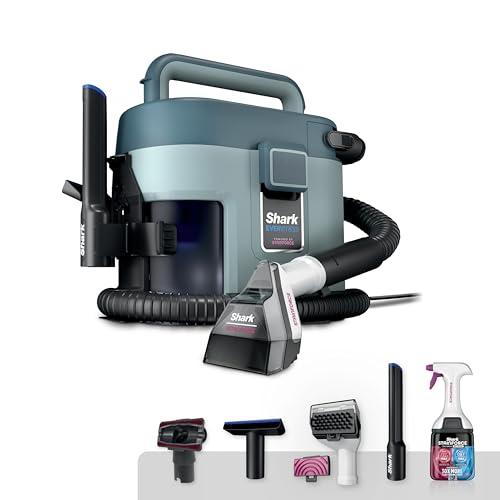
The Shark EveryMess VX101 is a versatile 3-in-1 portable wet/dry vacuum and stain eliminator engineered specifically for households that frequently deal with unpredictable, localized messes. Unlike standard dry-only hand vacuums or cumbersome full-sized carpet extractors, this compact unit bridges the gap by tackling dry particulate, liquid spills, and stubborn fabric stains with equal focus. Homeowners, apartment renters, pet owners, and busy families will find it especially well suited for rapid-response cleaning tasks where dragging out a full-sized machine is impractical.
Real-world cleaning demands rarely involve neat, predictable messes. The EveryMess system is designed to power through mixed debris, lifting challenging items such as dropped pasta, tracked-in garden dirt, and shattered glass alongside liquid spills. For soft surfaces, the dual-activated StainForce spray system dispenses two distinct formulas that combine at the contact point, designed to break down tough stains like spilled wine, muddy paw prints, food grease, and marker lines across area rugs, carpets, upholstery, and car interiors.
Constructed in a dark blue compact body measuring 14.3 by 8.9 by 14.5 inches, the machine prioritizes manageable storage and functional ergonomics. At 10.8 pounds, it remains easy to carry by handle between different levels of a home or out to the driveway for vehicle detailing. The VX101 configuration includes four specialized tools, giving users the physical attachments necessary to extract liquids from thick carpet pile, wipe over hard surfaces, or draw crumbs out of sofa creases.
Routine setup and surface management are straightforward across documented materials, which include tile, kitchen countertops, couch cushions, automotive fabrics, area rugs, and carpet. Because the unit utilizes targeted formula spray for stain removal, maintaining appropriate solution levels is essential for wet extraction tasks. Ongoing maintenance centers on emptying the recovered waste, rinsing the recovery chamber, and washing out the tool nozzles after wet spill cleanup to keep the air pathways clear and odor-free.
Prospective buyers should note realistic operational limitations before purchasing. While the EveryMess offers wide utility across wet and dry pickups, its compact physical size makes it strictly a spot cleaner and small-spill tool rather than a replacement for an upright floor cleaner or broad-surface carpet washer. Furthermore, exact tank capacity specifications and cord length are not provided in the manufacturer data, meaning larger spills may require multiple tank-emptying steps during a single cleaning session.
For households seeking an agile, multi-purpose tool that avoids the need for separate wet vacs, dry handhelds, and spot extractors, the Shark EveryMess VX101 offers practical everyday value. Its balanced combination of multi-surface agility, dual-action stain spraying, and manageable carrying weight makes it a dependable cleaning asset for pet owners, parents, and vehicle enthusiasts tackling immediate messes.
The Shark EveryMess VX101 features dual-activated StainForce technology designed specifically to elevate spot treatment on soft surfaces. By mixing two separate cleaning formulas directly at the point of contact, the system delivers concentrated chemical action right where stains bond to fibers. This targeted delivery helps break down set-in discoloration from common household accidents such as spilled wine, pet stains, tracked-in grime, and marker streaks.
Because the unit also incorporates wet extraction suction, it actively pulls loosened stains and saturated fluids out of fabric weaves rather than pushing them deeper into the backing. This makes the machine particularly effective for treating spot spills on area rugs, carpets, couch cushions, and car upholstery before stains have time to permanently cure.
Unlike single-purpose spot cleaners that only work on upholstery, the Shark EveryMess VX101 is configured for both hard and soft surfaces. The product data explicitly supports cleaning tasks across couch cushions, countertops, carpets, tile, and vehicle interiors. This flexibility allows users to transition smoothly from clearing dry cereal off a kitchen countertop to vacuuming broken glass and scrubbing muddy footprints off an entryway tile floor.
The package includes four specialized cleaning tools, allowing users to adapt the vacuum intake to the surface material and debris type at hand. Whether extracting a wet spill from woven car upholstery or vacuuming dry dirt out of sofa crevices, the modular attachments provide tailored physical contact for thorough cleanup.

Pros
- Weighs only 6.7 pounds, making it exceptionally easy to carry between the house, garage, and vehicle
- Converts quickly into a blower to sweep workbenches, patios, or tight corners
- Includes a 5-foot hose along with utility and crevice nozzles sized for automotive and tight-gap detailing
- Compact footprint with built-in cord wrap and handle simplifies off-the-floor shelf storage
Cons
- Small 2.5-gallon capacity requires frequent emptying during larger wet cleanups or extensive workshop tasks
- Manufacturer specifies that it is not compatible with the CRAFTSMAN CMXZVBE38662 car cleaning kit
- Friction-fit hose design lacks locking clips found on larger commercial-grade shop vacuums
The CRAFTSMAN CMXEVBE17250 is a compact, 2.5-gallon wet/dry shop vacuum designed for quick pick-ups, automotive cleanup, and light garage maintenance. Powered by a 2.5 peak HP motor and weighing just 6.7 pounds, this portable unit suits apartment dwellers, homeowners, DIY hobbyists, and vehicle owners who need wet and dry utility without hauling a heavy drum. Its compact 13.1 by 12.57 by 14.74-inch footprint makes it especially well suited for spaces where storage room is at a premium.
In everyday use, this cleaner handles both dry debris, such as sawdust, tracked-in dirt, and food crumbs, as well as minor liquid spills. In addition to standard vacuum suction, the machine features two-in-one capability via an exhaust blower port. Users can switch the hose connection to blow away wood shavings from workbenches or light debris from garage doorways. The 1-1/4-inch accessory system is intentionally sized for detailed, tight-space maneuvering rather than large construction rubble.
The vacuum arrives with a 1-1/4-inch by 5-foot friction-fit hose, a utility nozzle, a dedicated crevice tool, and a dry filter bag. For standard dry vacuuming, it utilizes genuine CRAFTSMAN CMXZVBE38737 filter bags to collect debris and keep the internal drum clean. A sturdy top-mounted carry handle and dedicated cord-wrap points assist with organized storage. Buyers looking to use specialized automotive accessories should note that CRAFTSMAN lists this model as incompatible with the CMXZVBE38662 car cleaning kit.
Operating the unit is straightforward, requiring no complex assembly beyond pressing the friction-fit hose into place and attaching the desired nozzle. The lightweight drum makes emptying liquid spills or dumping dry dirt simple and manageable without straining your back. Maintenance involves inspecting and replacing the filter bag when full and drying the tank interior following liquid collection to prevent odors.
Because of its 2.5-gallon capacity, this vacuum is not intended for whole-room flood cleanup, major remodeling jobs, or continuous drywall sanding. The friction-fit hose connection relies on snug pressure rather than a locking latch, meaning pulling too hard on the hose while cleaning could cause disconnection. In addition, those seeking wide-area hard floor sweeping will find the compact utility nozzle better fitted for localized messes rather than broad floor surfaces.
For vehicle owners, hobbyists, and homeowners seeking an affordable, highly portable wet/dry cleaner for quick car detailing, bench dusting, and small household spills, the CRAFTSMAN CMXEVBE17250 offers dependable everyday utility. Backed by a 3-year limited warranty, it balances grab-and-go convenience with practical suction for compact spaces.
Weighing only 6.7 pounds and measuring 13.1 by 12.57 by 14.74 inches, this CRAFTSMAN wet/dry vacuum is built specifically for users who prioritize mobility over large capacity.
An ergonomic top handle allows for comfortable one-handed transport up stairs, across the yard, or around a vehicle interior. The integrated cord-wrap feature keeps the power cord secured neatly against the housing, preventing snagging during closet or shelf storage.
The vacuum comes equipped with 1-1/4-inch accessories designed to reach tight crevices and manage varied surfaces. Included in the package are a 1-1/4-inch by 5-foot friction-fit hose, a crevice tool, a wide utility nozzle, and an initial filter bag.
For dry cleanup tasks, the machine utilizes genuine CRAFTSMAN CMXZVBE38737 replacement filter bags. Note that this unit is explicitly designated by the manufacturer as not compatible with the CMXZVBE38662 car cleaning kit accessory.


Understanding Wet/Dry Vacuum Pricing and Ownership Expenses
Shoppers evaluating utility cleaners quickly discover that prices span from modest entry-level buckets to premium heavy-duty workshop stations. The overall cost of a wet/dry machine correlates directly with tank volume, motor output, noise suppression, and filtration capability. Small compact models designed for car spills sit at the lowest end of the price spectrum, while large drums built for extensive jobsite debris require a greater investment. Understanding these price tiers and the engineering factors behind them helps buyers choose an appropriate machine without paying for redundant industrial capacity.
Primary Utility Vacuum Cost Categories
Compact utility vacuums with capacities between one and three gallons represent the most accessible cost tier on the market. Units such as the Shop-Vac 2021005 1 Gallon 1.0 Peak HP Micro and the CRAFTSMAN CMXEVBE17250 2.5 Gallon 2.5 Peak HP Wet cater to spot cleaning, quick liquid pickups, and light automotive vacuuming. These lightweight designs prioritize portability and simple storage over raw bulk collection. They generally feature smaller motors, shorter power cords, and narrow hoses suited for tight gaps rather than whole-room clearing. Homeowners who only encounter occasional minor spills find that these budget-friendly models meet their needs without unnecessary bulk.
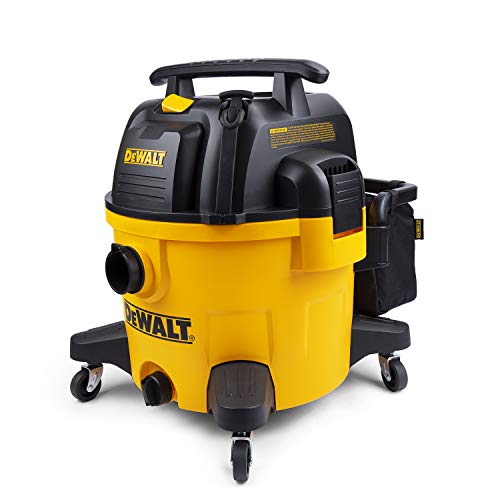
Mid-sized shop vacuums holding between four and nine gallons form a balanced middle-tier investment for home garages and active workshops. Machines like the CRAFTSMAN CMXEVBE17584 6 Gallon 3.5 Peak HP Wet, the CRAFTSMAN CMXEVBE17040 4 Gallon 5.0 Peak HP Wet, and the DEWALT 9 Gallon Wet/Dry VAC provide substantially more capacity and airflow. These models routinely feature swivel casters, durable carrying handles, and integrated cord wraps for straightforward maneuvering around parked vehicles or woodworking benches. They deliver sufficient suction to handle coarse sawdust, broken glass, and minor basement leaks without filling up prematurely. The price for this mid-range segment reflects enhanced motor engineering, larger drum molds, and more comprehensive accessory kits.
High-capacity heavy-duty vacuum cleaners spanning from twelve to sixteen gallons or more represent the upper tier of conventional shop cleanup equipment. Heavy-duty options like the CRAFTSMAN CMXEVBE17595 16 Gallon 6.5 Peak HP Wet and the Vacmaster VJH1612PF 1101 16 Gal 6.5 Peak HP† are engineered for demanding renovation sites, plumbing failures, and busy trade environments. At the same time, specialized hybrid extractors like the Shark EveryMess 3-in-1 Wet/Dry Vac & Stain command premium prices by incorporating active stain-fighting spray pumps and multi-surface wash tools. The investment required for these upper-tier models reflects either raw industrial capacity or complex mechanical versatility. Choosing between them depends on whether your priority is massive jobsite rubble collection or delicate carpet stain elimination.
Motor Power Ratings and Airflow Metrics
Motor capability serves as one of the most significant cost drivers in any wet/dry vacuum design. Manufacturers commonly promote peak horsepower ratings ranging from 1.0 peak horsepower on miniature units up to 6.5 peak horsepower on industrial drums. Peak horsepower represents the maximum momentary power output achievable by the motor under laboratory conditions rather than sustained operating wattage. Higher peak horsepower ratings typically necessitate larger copper motor windings, heavier cooling impellers, and sturdier housing plastics. As a result, units offering greater horsepower ratings command higher price tags due to their robust electrical assemblies.
True pickup speed and lifting power depend on airflow volume, measured in cubic feet per minute, and sealed suction pressure. Compact vacuums often produce around 50 CFM of airflow, which proves adequate for small dirt piles and narrow crevice tools. By comparison, high-powered utility vacuums like the Vacmaster VJH1612PF 1101 16 Gal 6.5 Peak HP† deliver up to 145 CFM to swiftly collect heavy piles of wood shavings or standing water. Developing high CFM without overheating the motor requires sophisticated aerodynamic housings, efficient fan impellers, and dedicated cooling bypass paths. Units that also include a detachable or rear blower port, like the Vacmaster VBVB611PF 1101 6 Gal 5 Peak HP Wet/Dry, add multi-tool functionality that increases overall product value.
Drum Construction, Tank Capacity, and Liquid Drainage
The physical drum of a shop vacuum represents another clear differentiator in price, durability, and practical utility. Most residential and commercial utility vacuums utilize molded polypropylene or heavy-duty polyethylene plastic for their main collection containers. Poly drums resist corrosion from standing water, resist denting when bumped against workshop benches, and remain comparatively lightweight when empty. Advanced drums feature reinforced ribs along the walls to prevent tank collapse under high sealed suction pressures. The tooling and resin quality needed for durable, impact-resistant poly drums add to the manufacturing expense of larger capacity models.
Emptying gallons of dirty liquid introduces significant physical strain unless the drum features dedicated drainage ports. A full sixteen-gallon drum can weigh over one hundred pounds when filled with liquid, making manual tilting dangerous and awkward. Higher-tier models like the CRAFTSMAN CMXEVBE17595 16 Gallon 6.5 Peak HP Wet incorporate an oversized built-in drain port near the base of the tank. This feature allows users to attach a drainage hose or simply unscrew the cap over a floor drain to empty water effortlessly. In contrast, budget models under five gallons typically omit this drain plug to lower production costs, requiring users to lift and invert the drum manually.
Acoustic Engineering and Sound Dampening Features
Traditional wet/dry vacuums have long been known for producing loud, abrasive operating noise that can exceed eighty-five decibels. The raw, high-rpm universal motors used in conventional utility units vent exhaust air directly through open baffles, generating intense motor whine and turbulent airflow hiss. Prolonged exposure to this noise level requires hearing protection and can cause significant fatigue during extended workshop cleaning sessions. For homeowners living in close quarters or apartment complexes, loud utility vacuums can be disruptive to family members and neighbors. Standard budget units rarely include noise insulation because bare motor mountings keep production costs low.
Advanced sound dampening technology represents a modern upgrade that noticeably influences the retail cost of a wet/dry vacuum. The DEWALT Shop Vac 6 Gallon STEALTHSONIC Ultra Quiet incorporates proprietary STEALTHSONIC engineering that limits operating noise to approximately 65 decibels. This design reduces perceived noise levels by roughly half compared to standard shop vacuums without sacrificing motor airflow or debris collection power. Achieving whisper-quiet operation involves acoustic sound-absorbing foam lining, precision-molded internal air channels, and specialized motor vibration isolation mounts. The research and specialized components required to engineer a quiet machine place these units into a higher price bracket, offering valuable auditory comfort for indoor trades and home garages.
Hose Diameter, Wand Ergonomics, and Cleaning Reach
Hose specifications directly dictate the type of debris a wet/dry vacuum can digest without choking the airflow path. Budget compact models generally include narrow 1-1/4 inch diameter hoses that excel at pinpoint suction and automotive seat detailing. However, narrow hoses quickly clog when attempting to pull wood offcuts, leaves, or dense wet sludge. Mid-sized vacuums frequently upgrade to 1-7/8 inch hoses, providing a versatile balance between manageable flex and clog resistance. Heavy-duty jobsite machines rely on massive 2-1/2 inch diameter hoses with Dual-Flex swivel ends that swallow bulky construction rubble and standing water without kinking.
Total cleaning reach determines how frequently you must pause work to relocate the vacuum or swap wall outlets. A vacuum combining a short power cord and a compact hose provides a limited cleaning radius that requires frequent extension cord management. In contrast, machines like the Vacmaster VJH1612PF 1101 16 Gal 6.5 Peak HP† provide up to twenty-seven feet of total cleaning reach through a long power cord and extended hose assembly. Longer heavy-gauge power cords and dual locking extension wands increase manufacturer material costs, which naturally reflects in the retail price. Having adequate working reach improves efficiency when cleaning expansive basements, multi-car garages, or long flight stairs.
Ongoing Consumables, Filtration Tiers, and Replacement Expenses
Cartridge filters protect the motor impeller from airborne dust during dry cleanup routines. Standard pleated paper filters handle coarse sawdust and general debris, but fine particles from drywall or cold ashes can pass through standard media. Upgrading to dedicated fine-dust or HEPA-rated cartridges costs more upfront but keeps microscopic dust from exhausting back into the room. CRAFTSMAN and DEWALT provide color-coded filter tiers that match specific debris types, ensuring adequate motor protection without unnecessary filtration spending.
Disposable dust collection bags offer a clean containment method similar to traditional bagged vacuum cleaners. Installing a collection bag inside the drum traps fine drywall dust and pet hair before it reaches the main cartridge filter, significantly extending cartridge life. When full, the bag seals shut for disposal without dispersing dust clouds back into the garage. While purchasing replacement bags adds a recurring expense, the saved cleanup time and extended filter longevity make them a practical investment for heavy dry projects.
Liquid pickup demands an entirely different filtration configuration to protect equipment from water damage. Standard pleated paper cartridge filters must always be removed before vacuuming standing water or plumbing leaks to prevent paper breakdown and mold growth. In their place, a porous foam filter sleeve slips over the float cage to keep large debris out of the motor fan. Foam filter sleeves are inexpensive and washable, making wet extraction cost-effective as long as you follow the proper equipment setup.
Attachments, Specialty Nozzles, and Surface Compatibility
The variety and construction quality of included attachments significantly influence overall vacuum package value. Entry-level utility machines often bundle a basic gulper nozzle and a narrow plastic crevice tool to handle simple messes. Mid-tier and premium packages provide wider utility nozzles, specialized car detailing tools, dust brushes, and dual locking extension wands. Having dedicated attachments allows users to tackle vehicle upholstery, overhead cobwebs, and workshop machinery without purchasing aftermarket adapters. High-quality friction-fit or locking accessories stay firmly attached during vigorous cleaning, preventing frustration and unnecessary replacement spending.
Transitioning a shop vacuum from concrete garage floors to indoor bare floors requires careful attention to nozzle design. Standard hard plastic utility nozzles can scratch delicate floor finishes if grit becomes trapped beneath the rigid plastic lip. Many homeowners looking for versatile indoor options consult guides on hardwood floor vacuuming to find squeegee floorheads with soft horsehair or rubber bristles. Premium packages like the DEWALT Shop Vac 6 Gallon STEALTHSONIC Ultra Quiet include wide floor brush attachments specifically suited for bare surfaces. Buying a package that already includes multi-surface floor tools eliminates the expense of purchasing separate floorheads later.
Operating Habits That Protect Your Utility Vacuum Investment
Operating a wet/dry vacuum properly ensures you receive full value from your purchase. Every utility vacuum features an internal float mechanism inside an intake cage beneath the motor assembly. When collected liquid reaches the tank capacity, the float rises to block the motor intake and stop suction, causing the motor pitch to rise sharply. Users must immediately turn off the power switch, unplug the electrical cord, and empty the liquid drum before resuming work. Ignoring this acoustic warning can force water past the float cage and cause catastrophic motor short circuits.
Rinsing and drying the drum after liquid pickup prevents mold growth, corrosion, and unpleasant odors inside the tank. Always hang the suction hose vertically so water drains completely before packing the unit away. Also, check the manufacturer instruction manual to confirm safe electrical practices and approved cleanup substances. Never attempt to vacuum flammable fuels, hot embers, or hazardous chemical waste unless the machine is specifically certified for toxic containment. Responsible handling and routine cord inspections keep your equipment operating safely for years to come.








Write Your Review
No reviews yet. Be the first to share your experience!