


Selecting the Right Evacuation System for Workshop Needs
Woodworking shops often require dependable negative pressure systems for veneer pressing, vacuum chucking on lathes, or stabilizing porous blanks with resins. Keeping your workspace clean across bare floors often calls for specialized gear like the best vacuum wood floors setup. When searching for the best vacuum pump for woodworking, having strong airflow alongside a deep ultimate pull ensures your workpiece stays clamped without sudden pressure loss. Dual-stage pumps driven by capable electric motors evacuate air quickly, creating tight seals on jigs and speeding up shop assembly.
This guide evaluates listed specifications, CFM ratings, motor horsepower, and noise levels to help you identify a reliable evacuation system. While household cleaning equipment like a best 3 in 1 vacuum handles everyday surface dirt, dedicated rotary vane pumps run continuously to pull negative pressure inside chambers or bags. Comparing oil tank capacity, gas ballast functionality, and fitting options ensures your equipment matches your shop workflow. We rely strictly on verified manufacturer specifications and technical data to help guide your choice.
Frequently Asked Questions
Can an HVAC vacuum pump work for woodworking tasks?
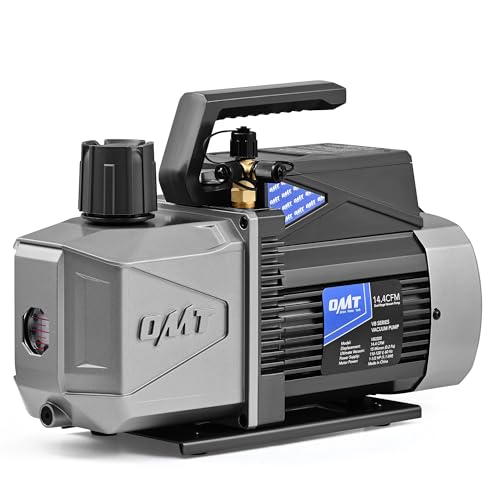
Yes, rotary vane pumps built for HVAC service work well for vacuum chucking, resin infusion, and veneer pressing. The OMT pump delivers 14.4 CFM and pulls down to 1.5 microns, providing ample negative pressure for sealed jigs. You need compatible adapters to connect the pump ports to your vacuum lines securely.
What CFM rating do you need for vacuum clamping?
A rating between 3 and 5 CFM handles modest lathe chucks, but higher ratings like 14.4 CFM evacuate air much faster. Rapid draw-down reduces workpiece slippage before adhesives cure. A 1.5 hp motor provides steady power to hold deep pressure during demanding clamping tasks.
Why is an oil mist cap useful in a home workshop?
Rotary pumps can discharge fine oil vapor into enclosed work areas during prolonged runs. The OMT pump includes an oil mist-free exhaust cap to help maintain cleaner indoor air. Keeping workshop air clean complements surface maintenance from tools like the best 2 in 1 vacuum cleaner for surrounding floors.
What is the purpose of a gas ballast valve?
A gas ballast valve vents moisture and solvent vapors before they condense inside the pump oil. Wood blanks and adhesives frequently release moisture during deep evacuation. Using the ballast helps protect the oil supply and preserves pump suction performance over time.
How often does vacuum pump oil need replacement?
Oil should be changed whenever it becomes cloudy, dark, or contaminated with shop moisture. Fresh oil in the 22 fluid ounce reservoir protects internal vanes and preserves deep vacuum capacity. Monitoring the sight glass prevents excessive wear and keeps the motor operating smoothly.







Write Your Review
No reviews yet. Be the first to share your experience!