


Key Filtration and Suction Features for Cleaner Indoor Air
Airborne dust, pet dander, and fine particles can irritate sensitive airways whenever an older vacuum leaks exhaust into your living space. Evaluating the best vacuum for asthma requires looking beyond motor power to complete system sealing, multi-stage filtration, and hygienic debris disposal. Many upright and canister units feature HEPA media filtration that traps particles down to 0.3 microns, preventing recirculated exhaust across rugs and bare floors. If your home has shedding pets, checking specialized vacuums for pet hair removal ensures embedded dander is lifted without scattering debris into the air.
This guide evaluates listed specifications, filtration claims, capacity ratings, and floorhead attachments across top models. Selections span corded uprights, bed sanitizers, and compact vacuum for canister platforms engineered for smooth transitions across mixed surfaces. Comparing sealed bagged chambers against bagless cyclonic cups lets you balance dust containment against long-term maintenance costs. Reviewing motor agitation and airflow settings helps you find a dependable appliance that supports cleaner indoor living spaces.




Pros
- Integrated fingertip airflow valve makes adjusting suction between surfaces quick and intuitive.
- Bagless 1.2-liter dust container eliminates ongoing consumable costs for replacement vacuum bags.
- Lightweight 11.84-pound canister body is easy to transport up stairs and navigate through tight layouts.
- Continuous 120-volt corded power avoids battery runtime constraints during larger cleaning sessions.
Cons
- Operating noise level is rated up to 82 dBA, which some users may find noticeably loud in smaller rooms.
- The 1.2-liter dust cup capacity may require frequent emptying in spacious or high-shedding households.
- Power cord length and specific tool attachments are not detailed in the manufacturer specifications.
The Eureka Whirlwind Bagless Canister Vacuum Cleaner is a compact, corded floor-care machine tailored for everyday household maintenance. Featuring a classic canister format in a clean white finish, this model is built for homeowners, apartment dwellers, and renters who need dependable multi-surface cleaning without dealing with the ongoing cost of disposable bags. Its overall profile balances manageable dimensions with a capable motor setup, making it an approachable choice for first-time vacuum buyers and budget-minded shoppers alike.
Dry vacuuming performance on this unit centers around its Whirlwind canister design and a dedicated multi-surface cleaning approach. Operating on standard 120-volt household current, it provides continuous electrical power for gathering surface dust, daily crumbs, and loose debris. A key operational feature is the airflow control integrated directly into the handle. By sliding the valve with your fingertips, you can reduce or increase airflow on the fly, helping prevent the floor tool from clamping down aggressively on lighter area rugs while preserving maximum draft for harder floor areas.
In terms of physical build and storage, the Eureka canister measures 14.29 inches long, 9.72 inches wide, and 11.57 inches high, weighing in at 11.84 pounds. This moderate weight keeps the canister nimble as you pull it across rooms or lift it to navigate stairs. The trailing canister layout keeps the bulk of the machine weight on the floor rather than in your hand, reducing wrist fatigue compared to heavy upright or top-heavy stick models during extended cleaning routines.
Maintenance is centered on a transparent 1.2-liter bagless dust cup. Rather than purchasing proprietary paper bags, users simply detach the bin over a trash can to empty collected debris. Routine care involves clearing out accumulated dirt and checking the interior filtration components to maintain proper airflow. Because the machine relies on a standard 120-volt plug, there are no lithium-ion battery packs to charge, degrade, or replace over time, keeping day-to-day operation predictable.
Prospective buyers should take note of a few realistic limitations. The listed operating noise level reaches up to 82 dBA, which represents noticeable volume during indoor operation. Additionally, while the 1.2-liter dust bin is generous for a compact canister, homes with heavy shedding pets or large floor plans will need to empty the bin more frequently during deep-cleaning days. Specific details regarding cord reach and included accessory wands are also omitted from the manufacturer specifications, so buyers with expansive open spaces may need an extension cord.
For households seeking an affordable, straightforward floor cleaner, the Eureka Whirlwind Bagless Canister Vacuum provides practical value. Its balance of fingertip suction regulation, bagless debris collection, and portable under-12-pound chassis makes it a sensible cleaning tool for apartments, small homes, and multi-room spaces where simple operation and reliable corded power are the top priorities.
Suction control on the Eureka Whirlwind is managed through an integrated airflow slider located directly on the handle assembly. This fingertip mechanism allows you to bleed off airflow when transitioning between varying surfaces, which is especially useful when transitioning from hard floors to delicate runners or accent rugs that might otherwise cling to the nozzle.
Because the unit runs on standard 120-volt electrical power, it delivers steady suction performance without tapering off like battery-powered units. The combination of direct handle control and corded consistency allows users to fine-tune pickup behavior according to the specific debris and floor type at hand.
The bagless dust collection system on this vacuum utilizes a 1.2-liter transparent container that lets you monitor dirt levels at a glance. Eliminating paper bags reduces ongoing household expenses and ensures you never have to delay cleaning due to running out of consumable bags.
Routine upkeep requires periodically unlatching the dust cup and dumping contents directly into a waste receptacle. Keeping the dust cup emptied before it exceeds maximum capacity helps preserve optimal airflow and prevents dust buildup around the internal cyclone components.

Pros
- Dual specialized floorheads handle smooth hard floors and low-to-medium carpeting without scratching or stalling.
- Six adjustable suction levels let you tailor airflow to different cleaning tasks and delicate furnishings.
- Multi-stage AirClean filtration system keeps dust securely sealed inside the canister.
Cons
- The air-driven TurboTeQ brush head is not designed for deep-pile, plush, or shag carpeting.
- At a total weight of 17 pounds, carrying the unit between multiple floor levels may require extra effort.
The Miele Classic C1 Turbo Team in Tech Blue is a corded, bagged canister vacuum designed specifically for homes with bare floors and low-to-medium pile carpeting. Rather than using an all-in-one universal floor tool, this package supplies two purpose-built cleaning heads that address distinct floor types. For shoppers transitioning away from heavy uprights or bagless vacuums, this canister provides a traditional, dust-sealed cleaning platform that emphasizes maneuverability and floor protection.
Cleaning capability centers on the two main floor attachments. The SBB Parquet-3 floorhead glides over hardwood, tile, and laminate, sweeping fine dust without scratching delicate finishes. For area rugs and low-to-medium pile carpets, the STB 305-3 TurboTeQ floorhead uses an air-driven rotating brush roll to agitate fibers and lift surface dirt. Power delivery is managed through a six-setting rotary switch on the canister body, allowing you to drop suction when cleaning lightweight throw rugs or delicate upholstery, or raise it to maximum power for smooth flooring.
Dust containment is handled by the multi-tier AirClean system. Incoming air and debris pass first into a genuine Miele FilterBag, followed by a motor protection filter, and finally an AirClean exhaust filter. The manufacturer states that this three-tiered setup results in exhaust air that is cleaner than the surrounding room air before vacuuming. Because this model relies on self-sealing replacement bags rather than a plastic dustbin, emptying the vacuum involves minimal exposure to loose dust plumes.
The canister body measures 18.2 by 11 by 8.7 inches and weighs 17 pounds in total. The compact geometry and smooth-rolling casters allow it to follow you closely around furniture legs and tight corners. Above-floor cleaning is supported by three clip-on attachments: a dusting brush for hard surfaces, a crevice tool for tight gaps, and an upholstery tool for cushions and drapery. These tools mount directly on the hose collar for fast access while cleaning.
Shoppers should consider a few practical operational limits before purchasing. Because the STB 305-3 TurboTeQ floorhead is powered by vacuum airflow rather than an independent electric motor, it is not engineered to groom dense, thick, or high-pile carpets, where the brush roll may slow down or stop. Additionally, ongoing ownership requires purchasing genuine replacement bags and exhaust filters as they fill and wear over time.
Overall, the Miele Classic C1 Turbo Team is an outstanding choice for apartments and homes dominated by hard flooring, delicate wood, and standard low-to-medium pile area rugs. Its balance of adjustable suction, dedicated floor attachments, and hygienic bagged filtration delivers reliable, everyday cleaning performance without unnecessary complexity.
The Miele Classic C1 Turbo Team includes two interchangeable floorheads to match different floor coverings. The SBB Parquet-3 is designed exclusively for hard floors such as polished hardwood, tile, stone, and laminate. Its soft, dense natural bristles guide fine grit directly into the suction path while protecting sensitive floor sealants from scuffs.
For carpeted spaces, the STB 305-3 TurboTeQ floorhead utilizes an air-driven turbine mechanism. As suction air flows through the neck, it spins an internal roller brush that combs through low-to-medium pile carpet fibers to dislodge pet hair, crumbs, and trapped dirt. Because the brush roll is turbine-driven rather than motorized, it performs best on flat weaves and standard low-pile carpets, making it less suitable for high-pile or plush carpeting.
Filtration on the Classic C1 Turbo Team relies on Miele's proprietary AirClean System. This three-stage process begins inside the genuine Miele FilterBag, which acts as the initial debris trap and retains the bulk of collected particles behind self-sealing closure flaps.
Air exiting the bag passes through a pre-motor filter that shields mechanical components from fine dust, before passing through an AirClean exhaust filter as it returns to the living environment. The manufacturer claims this multi-tier configuration discharges air that is cleaner than the ambient room air prior to vacuuming, making it a dependable, mess-free choice for routine dust management.
Frequently Asked Questions
Are bagged vacuum cleaners better than bagless models for controlling dust?
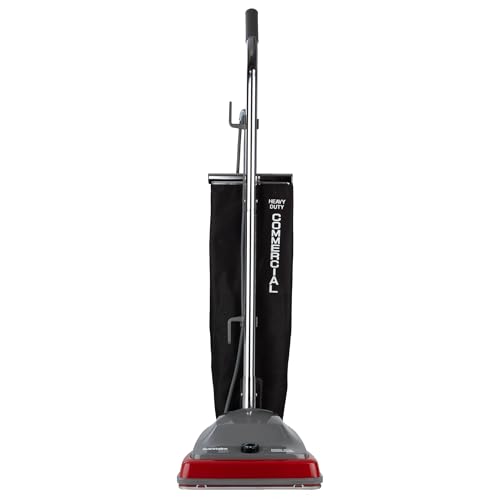
Bagged vacuums provide cleaner disposal because enclosed bags prevent dust clouds when emptied. Sealed bags lock in microscopic particles until you toss them, whereas emptying a bagless cup often releases settled dust back into the air. Models like the Simplicity S20EZM use sealed bags to isolate fine debris during changes.
What filtration features should you look for in a vacuum for asthma?
True HEPA filtration is the benchmark standard because it captures 99.97% of particles down to 0.3 microns. Multi-stage systems, such as Miele AirClean and lifetime HEPA designs, route air through motor filters and sealed exhaust chambers to prevent leakage. Verifying that the entire housing is sealed ensures dirty air does not bypass internal filters.
Can a cordless stick vacuum handle whole-home allergen cleaning?
Cordless vacuums can manage routine maintenance, but smaller dustbin capacities require frequent emptying. While models with sealed multi-stage filters keep fine dust contained, dumping compact bins can create minor dust plumes. If you value cordless portability across large floor plans, pairing your routine with a cordless vacuum with 2 batteries provides extended cleaning runtime.
How do mattress vacuums assist with bedroom dust control?
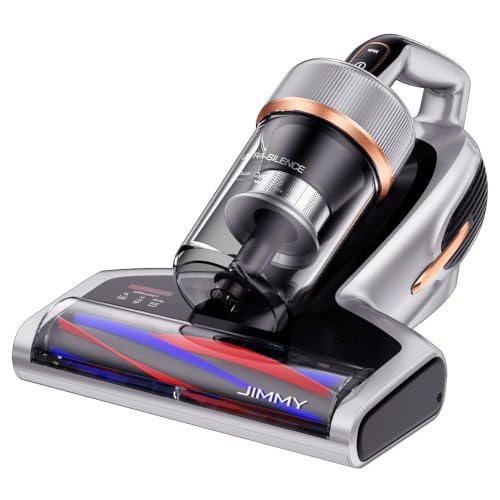
Mattress cleaners target hidden dust mites, dander, and skin flakes trapped deep inside mattress fabric. Units like the Jimmy BX7 Pro combine strong suction, rotating brushrolls, and heat or UV light to lift embedded particles. Routine cleaning of bedding and upholstered furniture reduces airborne particle movement in sleeping areas.
Do robot vacuums help reduce household dust?
Robot vacuums help maintain low dust levels on hard floors and rugs between deeper vacuuming sessions. Automated units paired with self emptying robot vacuums keep dust securely enclosed in base stations. However, an upright or canister unit is still necessary for above-floor surfaces, furniture, and detailed dusting.




Write Your Review
No reviews yet. Be the first to share your experience!