


Extended Cleaning Coverage for Spacious Floor Plans
Large floor plans often leave automated cleaners stranded before finishing the job, forcing machines to pause while pet hair remains across uncleaned rooms. Homes with sprawling layouts require steady endurance, making the best robot vacuums with 180min run time practical for whole-home maintenance. Long battery profiles allow these vacuums to clean expansive spaces on standard modes without constant docking delays. When evaluating long-running models, listed battery specifications should be compared alongside navigation sensors and dirt disposal options. Many popular choices also connect to hands-free automated docks that manage debris collection between cycles.
Achieving a three-hour run time typically depends on using standard suction or quiet settings, as high-power modes deplete batteries faster on dense rugs. Our comparison evaluates manufacturer runtime specifications, stated motor suction levels, dustbin sizes, and brush roll designs across established floor-care brands. Homeowners should evaluate their balance of sealed wood, tile, and rugs, since surface resistance directly affects cleaning duration. Pairing battery endurance with smart mapping ensures the vacuum takes efficient paths instead of wasting charge on repeated passes. You can also explore specialized designs like robot vacuums for high pile carpets to see how carpet depth influences suction demands.


Pros
- Self-maintaining dock automates dust bin emptying, 167°F hot-water mop washing, and heated air drying
- Strong 18,500 Pa suction easily handles fine dust, pet hair, and coarse debris like cat litter
- Automatic 10 mm mop lifting keeps carpets and rugs dry during combined vacuum and mopping runs
- All-rubber roller and specialized side brush noticeably reduce routine hair tangle removal
Cons
- Only connects to 2.4 GHz Wi-Fi networks and does not support 5 GHz frequencies
- All-in-one docking station requires dedicated physical floor space and clearance near an outlet
The Roborock Qrevo S Pro is an automated floor-care system engineered for busy households, parents, and pet owners who need consistent vacuuming and mopping across mixed flooring. Combining dry vacuuming with dual rotating mopping pads, this robot cleaner targets routine messes such as tracked-in dust, pet dander, and food crumbs. Its primary appeal lies in its high degree of automation, allowing users to offload daily floor maintenance to a machine that manages its own dust disposal and mop pad maintenance.
Cleaning capability is centered around a manufacturer-specified 18,500 Pa suction motor that pulls debris from hard floor seams, edges, and carpet pile. When transitioning to carpeted areas, the robot applies an automatic carpet strategy that boosts suction for embedded grit while lifting the mopping assembly 10 mm above the floor surface to protect fibers from moisture. For hard floor areas, the dual spinning mops maintain steady contact to wipe down kitchen spills, dried paw prints, and light surface stains using adjustable water flow rates.
Brush maintenance is often a pain point in pet-friendly homes, but the Qrevo S Pro addresses this with a specialized anti-tangle architecture. It features an all-rubber main brush roll, a zero-tangle side brush, and a guarded omnidirectional wheel, all designed to channel hair directly into the suction inlet rather than wrapping tightly around spinning components. At the all-in-one docking base, collected debris is automatically transferred into a sealed 2.7L dust bag capable of storing between 7 and 9 weeks of dry material under typical household conditions.
Navigation and spatial awareness are powered by smart obstacle detection that helps the vacuum identify and steer clear of everyday floor hazards such as shoes, power cords, toys, and chair legs. Measuring 3.8 inches in height, the low-profile robot slides under raised couches, dressers, and beds where dust clusters tend to hide. The integrated Roborock SmartPlan 2.0 AI adjusts cleaning power and route selection according to the specific floor layout and past cleaning history, maintaining an unobtrusive sound profile of approximately 55 dB during standard operation.
Initial setup is straightforward through the companion app, though it strictly requires a 2.4 GHz Wi-Fi network connection. While the dock manages self-emptying, 167°F mop pad washing, and 113°F warm air drying, owners must still periodically handle basic dock upkeep, such as replacing the 2.7L dust bag, filling clean water, and emptying dirty wastewater containers. The physical size of the docking station also demands thoughtful placement with sufficient wall and clearance space in a central room or laundry area.
For homeowners and renters looking to maintain spotless hard floors and fresh carpets without daily intervention, the Roborock Qrevo S Pro represents a dependable, high-convenience investment. Its strong suction, intelligent mop lifting, and self-cleaning dock features provide practical, time-saving value for busy multi-surface homes managing the steady mess of kids and pets.
The all-in-one docking station on the Roborock Qrevo S Pro acts as a comprehensive base designed to reduce manual floor-care chores. Following each cleaning cycle, the dock automatically pulls debris from the robot dustbin into an internal 2.7L sealed bag. This bag design locks in dust and debris while offering enough storage volume to last between 7 and 9 weeks under normal cleaning frequencies, minimizing contact with loose dirt.
Beyond debris containment, the dock actively manages mop hygiene through heated self-cleaning. It washes the dual rotating pads with 167°F hot water to loosen sticky spills and grime gathered from hard floors, followed by 113°F warm air drying. This controlled drying phase prevents persistent dampness and helps eliminate stale odors, ensuring the cleaning pads are dry, fresh, and ready for the next scheduled floor run.
Managing mixed flooring is straightforward thanks to the adaptive carpet handling built into the Roborock Qrevo S Pro. When sensors detect area rugs or wall-to-wall carpeting, the robot automatically engages a 10 mm mop lifting mechanism. This lifts the damp pads clear of low- to medium-pile carpet surfaces, preventing accidental water transfer while simultaneously ramping up suction to extract embedded particles and pet hair from deep within the fibers.
On hard surfaces, the dual spinning mop system works in tandem with the vacuum function to deliver thorough daily maintenance. By distributing a controlled, adjustable flow of water, the pads provide steady friction to tackle dried beverage splashes, pet footprints, and grease near cooking areas. This dual-action approach allows the robot to leave floors refreshed in a single cleaning pass without requiring manual tool swaps.
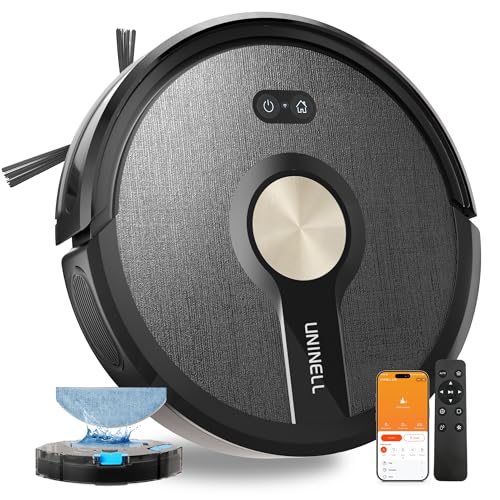


Pros
- Includes a 3.5L self-emptying base station, reducing frequent manual dustbin emptying.
- 360-degree LiDAR mapping supports up to 5 distinct floor maps with no-go zone customization.
- Multiple control methods allow easy operation via app, Alexa voice commands, manual buttons, or the included remote.
- Automatic suction boost engages when carpets are detected to target pet hair and deeper debris.
Cons
- The 270ml water tank requires manual refilling and damp mop pad maintenance since the dock does not wash or dry pads.
- LiDAR sensor turret adds height (3.8 inches), which may prevent it from clearing low-profile couches or cabinets.
- Mopping functionality is passive surface wiping rather than heavy scrubbing for stubborn or dried-on floor stains.
The MONSGA MS1 MAX Robot Vacuum and Mop Combo is an automated cleaning system designed to streamline daily floor maintenance for busy households, pet owners, and multi-level homes. Equipped with a dedicated 3.5L self-emptying base station and 360-degree laser mapping, this robot tackles both hard floors and carpets without requiring constant user intervention. It targets buyers who want hands-off vacuuming combined with light surface mopping in a single pass.
Cleaning performance centers around a manufacturer-rated 6000Pa suction system driven by a 19,500 RPM motor, paired with a V-shaped rubber-bristle brush roll and a floating cleaning head. For mixed-surface homes, the unit automatically boosts suction when carpet is detected, which helps pull pet hair, sand, and fine dust from rug fibers. The hybrid dustbin and water module features a 340ml dry collection bin alongside a 270ml water tank, offering three adjustable suction levels and three water output rates to match different floor-cleaning demands.
Navigation is guided by a top-mounted 360-degree LiDAR sensor that builds accurate room layouts in approximately 10 minutes and continues to navigate reliably in complete darkness. Through the Smart Life or Tuya Smart app, users can establish virtual boundaries, define custom no-go zones, schedule cleanings room by room, and save up to five individual floor maps for multi-story residences. For households that prefer non-app controls, the robot also supports Alexa voice integration, standard physical buttons, and an included handheld remote control.
Day-to-day operation is streamlined by the 2-in-1 docking station, which automatically transfers debris from the robot into a 3.5L sealed dustbag capable of holding up to 60 days of collected dirt under typical use. Power is provided by a battery setup delivering up to 180 minutes of runtime, covering up to 2000 square feet on a full charge before utilizing auto-recharge and resume capabilities. Maintenance primarily involves swapping out the station dustbag every few months, refilling the 270ml water reservoir, washing the reusable mop pad, and periodically clearing hair from the brush roller.
Realistic limitations should be kept in mind before purchasing. While the vacuum efficiently collects loose dust and crumbs, the mopping feature relies on a passive dragging pad rather than high-speed motorized scrubbing, making it suited for light surface wiping rather than heavy, dried-on spills. Additionally, the 3.5L base station only empties the dry dustbin, meaning water refilling and pad washing must still be completed manually. The 3.8-inch total height created by the LiDAR navigation turret may also restrict clearance underneath certain low-profile furniture.
Overall, the MONSGA MS1 MAX offers strong practical value for homeowners, apartment residents, and pet owners looking for high suction specifications and intelligent navigation at an accessible entry point. The combination of multi-floor LiDAR mapping, four flexible control options, carpet detection, and two months of hands-free dirt collection makes it a capable asset for keeping daily dust and pet shedding under control.
The MONSGA MS1 MAX uses a simultaneous sweep, vacuum, and mop configuration designed to clean hard floors and carpets in a single run. With an internal 340ml dustbin and a 270ml electronically regulated water reservoir, the machine allows users to adjust both suction strength and liquid output across three separate levels depending on the room.
For dry pickup, the listed 6000Pa suction rating and 19,500 RPM motor work alongside a V-shaped hybrid rubber-and-bristle brush. An integrated carpet detection sensor automatically boosts suction to maximum power upon rolling onto rugs, which aids in dislodging embedded pet hair and fine grit without manual intervention.
Navigation is driven by a 360-degree LiDAR laser system that scans living spaces to generate precise home layouts in as little as 10 minutes. Because laser mapping does not depend on ambient light, the robot moves systematically and avoids obstacles effectively during both daytime schedules and pitch-black nighttime cleaning cycles.
Using the Tuya Smart or Smart Life mobile applications, households can store up to five separate floor plans, making the robot practical for multi-story homes. The interface allows users to set no-go areas, establish virtual boundary lines, target specific rooms, and tailor individual power settings for each designated zone.
The auto-emptying station features a 3.5L dust collection bag designed to hold up to 60 days of swept debris, significantly reducing the chore of manually dumping out the onboard dustbin after every cleaning session. The station also acts as the primary charging hub, guiding the robot back automatically when battery levels drop and resuming the cleaning path once recharged.
Routine maintenance tasks include periodic inspection of the V-shaped brush roll and side brushes to remove bound hairs, rinsing the washable mop cloth, and keeping the optical sensors clean. The manufacturer backs the unit with a 2-year aftersales service commitment and ongoing technical support for user peace of mind.


Frequently Asked Questions
How does suction power affect the 180-minute battery runtime on a robot vacuum?
Manufacturer runtime ratings of 180 minutes are typically recorded on the lowest power or quiet mode. Operating a vacuum on high suction draws significantly more energy from the battery pack, which shortens overall cleaning time. For homes with pet hair, alternating between standard suction for daily maintenance and maximum power for spot cleanups balances battery life and cleaning performance.
Can robot vacuums with 180-minute run times mop and vacuum simultaneously?
Yes, several combo models vacuum and damp-mop floors in a single pass while utilizing their extended battery capacity. Units such as the MONSGA robot vacuum and Vyzzle E20 feature water reservoirs and cleaning pads designed to wipe hard floors while gathering loose crumbs. Activating motorized scrubbing actions increases power consumption, but quiet hybrid modes allow broad floor coverage before requiring a recharge.
What happens if the robot vacuum runs out of battery before completing the floor plan?
Most smart mapping models feature an automatic recharge and resume capability. When power drops below a set threshold, the robot navigates back to its charging station, recharges, and returns to the exact spot where cleaning paused. If your home requires immediate manual floor care without charging breaks, a cordless vacuum with 2 batteries provides continuous cleaning via swappable packs.
Do anti-tangle brushes help preserve battery life in homes with shedding pets?
Tangle-resistant rubber rollers help reduce mechanical resistance on the brush motor, which supports consistent electrical efficiency. When pet hair wraps tightly around traditional bristled rollers, the motor expends extra energy fighting friction. Rubber fins channel hair toward the suction path, keeping motor temperatures cooler and preventing unnecessary battery drain during extended runs.
How does LiDAR navigation improve battery efficiency compared to random bouncing?
LiDAR laser mapping creates structured, grid-like cleaning paths that eliminate repetitive overlap across open rooms. Even though the laser sensor consumes a small amount of electricity, the optimized cleaning path significantly cuts the total operating time needed per room. By avoiding random collisions and duplicate passes, the vacuum conserves battery charge for larger multi-room layouts.


Write Your Review
No reviews yet. Be the first to share your experience!