


Managing Mixed Flooring Without Soaking Your Rugs
Navigating transitions between bare floors and low-pile carpets often creates headaches when a combination cleaning device drags a damp pad across carpet fibers. Searching for the best robot vacuum with auto mop lifting allows you to maintain clean hardwood and tile without saturating nearby area rugs during a single scheduled run. These dual-action automated cleaners rely on ultrasonic sensors or mechanical arms to elevate wet scrubbing pads several millimeters when stepping onto carpeted surfaces. Many modern models also integrate hands-free self-emptying docks similar to popular best self-emptying robot vacuums, which minimizes dustbin emptying alongside automated floor washing.
To help guide your floor-care setup, this comparison evaluates manufacturer specifications, suction ratings, dock functions, and listed clearance heights across top automated cleaners. While premium models offer lift heights up to 10 mm alongside high-temperature mop washing, owners with deeper floor coverings may still need specialized robot vacuums for high pile carpets to prevent damp edge contact. Factors like suction power, obstacle detection, and self-cleaning docks determine how well each machine performs in active homes with pets and children. Examining these published specifications ensures you balance mop clearance, suction capability, and maintenance intervals for your specific home layout.

Pros
- Self-maintaining dock automates dust bin emptying, 167°F hot-water mop washing, and heated air drying
- Strong 18,500 Pa suction easily handles fine dust, pet hair, and coarse debris like cat litter
- Automatic 10 mm mop lifting keeps carpets and rugs dry during combined vacuum and mopping runs
- All-rubber roller and specialized side brush noticeably reduce routine hair tangle removal
Cons
- Only connects to 2.4 GHz Wi-Fi networks and does not support 5 GHz frequencies
- All-in-one docking station requires dedicated physical floor space and clearance near an outlet
The Roborock Qrevo S Pro is an automated floor-care system engineered for busy households, parents, and pet owners who need consistent vacuuming and mopping across mixed flooring. Combining dry vacuuming with dual rotating mopping pads, this robot cleaner targets routine messes such as tracked-in dust, pet dander, and food crumbs. Its primary appeal lies in its high degree of automation, allowing users to offload daily floor maintenance to a machine that manages its own dust disposal and mop pad maintenance.
Cleaning capability is centered around a manufacturer-specified 18,500 Pa suction motor that pulls debris from hard floor seams, edges, and carpet pile. When transitioning to carpeted areas, the robot applies an automatic carpet strategy that boosts suction for embedded grit while lifting the mopping assembly 10 mm above the floor surface to protect fibers from moisture. For hard floor areas, the dual spinning mops maintain steady contact to wipe down kitchen spills, dried paw prints, and light surface stains using adjustable water flow rates.
Brush maintenance is often a pain point in pet-friendly homes, but the Qrevo S Pro addresses this with a specialized anti-tangle architecture. It features an all-rubber main brush roll, a zero-tangle side brush, and a guarded omnidirectional wheel, all designed to channel hair directly into the suction inlet rather than wrapping tightly around spinning components. At the all-in-one docking base, collected debris is automatically transferred into a sealed 2.7L dust bag capable of storing between 7 and 9 weeks of dry material under typical household conditions.
Navigation and spatial awareness are powered by smart obstacle detection that helps the vacuum identify and steer clear of everyday floor hazards such as shoes, power cords, toys, and chair legs. Measuring 3.8 inches in height, the low-profile robot slides under raised couches, dressers, and beds where dust clusters tend to hide. The integrated Roborock SmartPlan 2.0 AI adjusts cleaning power and route selection according to the specific floor layout and past cleaning history, maintaining an unobtrusive sound profile of approximately 55 dB during standard operation.
Initial setup is straightforward through the companion app, though it strictly requires a 2.4 GHz Wi-Fi network connection. While the dock manages self-emptying, 167°F mop pad washing, and 113°F warm air drying, owners must still periodically handle basic dock upkeep, such as replacing the 2.7L dust bag, filling clean water, and emptying dirty wastewater containers. The physical size of the docking station also demands thoughtful placement with sufficient wall and clearance space in a central room or laundry area.
For homeowners and renters looking to maintain spotless hard floors and fresh carpets without daily intervention, the Roborock Qrevo S Pro represents a dependable, high-convenience investment. Its strong suction, intelligent mop lifting, and self-cleaning dock features provide practical, time-saving value for busy multi-surface homes managing the steady mess of kids and pets.
The all-in-one docking station on the Roborock Qrevo S Pro acts as a comprehensive base designed to reduce manual floor-care chores. Following each cleaning cycle, the dock automatically pulls debris from the robot dustbin into an internal 2.7L sealed bag. This bag design locks in dust and debris while offering enough storage volume to last between 7 and 9 weeks under normal cleaning frequencies, minimizing contact with loose dirt.
Beyond debris containment, the dock actively manages mop hygiene through heated self-cleaning. It washes the dual rotating pads with 167°F hot water to loosen sticky spills and grime gathered from hard floors, followed by 113°F warm air drying. This controlled drying phase prevents persistent dampness and helps eliminate stale odors, ensuring the cleaning pads are dry, fresh, and ready for the next scheduled floor run.
Managing mixed flooring is straightforward thanks to the adaptive carpet handling built into the Roborock Qrevo S Pro. When sensors detect area rugs or wall-to-wall carpeting, the robot automatically engages a 10 mm mop lifting mechanism. This lifts the damp pads clear of low- to medium-pile carpet surfaces, preventing accidental water transfer while simultaneously ramping up suction to extract embedded particles and pet hair from deep within the fibers.
On hard surfaces, the dual spinning mop system works in tandem with the vacuum function to deliver thorough daily maintenance. By distributing a controlled, adjustable flow of water, the pads provide steady friction to tackle dried beverage splashes, pet footprints, and grease near cooking areas. This dual-action approach allows the robot to leave floors refreshed in a single cleaning pass without requiring manual tool swaps.

Pros
- High-power 10,000 Pa suction provides thorough dry debris and pet-hair pickup on both hard floors and carpets.
- Auto-lifting mop bracket (8mm) enables seamless vacuum-and-mop passes across mixed hardwood and low-pile carpet layouts.
- Self-emptying dock drastically reduces daily dust handling with its sealed 2.7L disposal bag.
- Structured-light obstacle detection reduces annoying robot hang-ups on common floor clutter.
Cons
- Operates exclusively on 2.4GHz Wi-Fi networks and will not connect to 5GHz bands.
- The 8mm mop clearance may still graze higher-pile carpets or thick plush rugs during mopping cycles.
- Requires ongoing purchases of proprietary 2.7L replacement dust bags for the auto-empty dock.
The Roborock Q10 S5+ is an automated floor-cleaning system engineered for busy homeowners, apartment dwellers, and pet owners seeking multi-surface maintenance without daily chores. Designed specifically to service environments with both hard floors and carpets, this hybrid robot vacuum and sonic mop addresses everyday debris such as tracked-in dirt, pet hair, and surface stains. The included auto-empty dock holds a 2.7L dust bag, delivering up to 70 days of hands-free dry dirt collection before needing a bag swap.
Dry vacuuming performance centers on an exceptional 10,000 Pa HyperForce suction rating, allowing the unit to pull pet hair, crumbs, and fine grit out of floorboards, crevices, and carpet fibers. When transitioning between floor types, built-in ultrasonic sensors detect carpeting automatically, instantly ramping up suction power for a deeper clean while simultaneously lifting the mop module up to 8mm off the ground. For wet floor care, the VibraRise 2.0 mopping module utilizes dual-zone sonic vibration technology that scrubs at up to 3,000 times per minute to loosen sticky kitchen spots and dried spills.
To solve the common problem of pet fur jamming the drivetrain, Roborock implements a dual anti-tangle system. This architecture pairs a JawScrapers Comb main brush with a specialized anti-tangle side brush, designed to divert tangled strands into the suction channel and reduce time spent cutting hair off the roller. Navigation relies on a 360-degree PreciSense LiDAR sensor array that generates precise multi-level floor plans. Working alongside the LiDAR system is ReactiveTech obstacle avoidance, which uses structured light sensors to detect and bypass household items like shoes and pet dishes without aggressive bumper impacts.
Day-to-day operation is controlled via the Roborock app or through hands-free voice commands using Amazon Alexa or Google Home. From the app, users can set cleaning schedules, designate no-go zones, customize mopping moisture levels, and select auto-empty frequency settings. Keep in mind that setup requires pairing with a standard 2.4GHz Wi-Fi band, as 5GHz connections are unsupported. Ongoing maintenance involves replacing the station's 2.7L dust bag every several weeks, rinsing the reusable mop pad, and periodically checking the comb brush for stray buildup.
While the 8mm mop lift works reliably over flat thresholds and low-pile carpets, households with plush or medium-to-high pile rugs should designate no-mop zones to ensure fabric does not get damp. Furthermore, the recurring cost of replacement dock bags should be factored into long-term upkeep. For multi-surface households that want powerful suction, intelligent floor-type transitions, and consistent hands-free emptying, the Roborock Q10 S5+ offers a capable, high-utility cleaning package.
The VibraRise 2.0 mopping system provides active scrubbing power rather than simply dragging a passive wet cloth across the floor. By vibrating up to 3,000 times per minute across two sonic zones, the cleaning head breaks up light sticky messes, muddy footprints, and dried kitchen spots across sealed hardwood and tile surfaces.
Its 8mm automatic lifting mechanism sets it apart for mixed-flooring layouts. When the ultrasonic sensor identifies carpet underneath the robot, it elevates the damp mop pad clear of the floorboards, continuing vacuuming without drenching low-pile carpets. Users can also fine-tune liquid output and scrubbing frequency through the companion application to match the specific needs of different rooms.
Precision route planning on the Roborock Q10 S5+ is powered by PreciSense LiDAR navigation. The top-mounted laser turret scans 360 degrees in real time, rapidly mapping rooms, identifying walls, and saving multi-floor layouts for homes with more than one story.
To prevent the robot from getting trapped or tangled, ReactiveTech obstacle avoidance utilizes front-facing structured light technology. This allows the cleaner to spot floor-level obstacles, furniture legs, and clutter, steering cleanly around them rather than repeatedly ramming delicate items. Within the mobile application, owners can view the generated map, configure virtual barriers, and highlight no-go zones around pet feeding stations or cable-heavy workspaces.


Pros
- Auto-emptying base with a 2.7L dust bag offers up to 70 days of hands-off debris disposal.
- VibraRise 2.0 system lifts the mop 8mm to transition seamlessly between hard floors and low-pile carpets.
- Strong 10,000 Pa suction and comb-assisted anti-tangle brush system effectively manage shedding pet hair.
- PreciSense LiDAR and ReactiveTech structured light deliver methodical multi-floor mapping and obstacle detection.
Cons
- The 8mm mop clearance may still graze high-pile or plush area rugs during mopping cycles.
- Only compatible with 2.4GHz Wi-Fi networks and will not pair over a dedicated 5GHz band.
- The included auto-empty station manages dry debris only, leaving water tank refills and mop pad laundering to manual care.
The Roborock Q10 S5+ is an automated robot vacuum and sonic mop system built for homeowners, apartment dwellers, and pet-friendly households looking to reduce day-to-day floor maintenance. Equipped with a self-emptying station and an advanced sensor array, this model targets high-traffic areas, pet-shedding zones, and mixed-surface layouts consisting of carpets and hardwood floors. It bridges the gap between basic robot sweepers and complex all-in-one stations by focusing on strong pickup mechanics, active floor scrubbing, and sealed debris containment.
Cleaning performance is anchored by Roborock's listed 10,000 Pa HyperForce suction, which provides ample negative pressure to dislodge pet hair, food crumbs, and tracked-in dirt from hardwood seams, tile grout lines, and carpet fibers. To counter the constant nuisance of tangled hair, the unit incorporates a Dual Anti-Tangle System that combines a JawScrapers Comb main roller with a specialized anti-tangle side brush. When moving onto hard flooring, the VibraRise 2.0 mopping system engages dual-zone sonic vibration at up to 3,000 scrubbing passes per minute, actively breaking down dried stains rather than passively dragging a damp cloth across the room.
Navigation and spatial awareness are powered by PreciSense LiDAR, which spins 360 degrees to construct accurate, multi-floor maps of your home. Paired with ReactiveTech obstacle avoidance, the robot uses structured light sensors to detect obstacles on the floor, dodging shoes, cords, and furniture legs without getting stranded mid-run. Ultrasonic sensors automatically register transitions to carpet, commanding the robot to elevate its mopping plate by 8mm while initiating a suction boost to pull dirt from deeper inside the pile without wetting the carpet.
Routine maintenance is straightforward thanks to the included auto-empty dock. Equipped with a 2.7L dust bag, the dock pulls debris from the robot's onboard bin after each run, containing up to 70 days of dust without user intervention. The Roborock App allows users to adjust suction power, alter mopping intensity levels, designate virtual no-go zones, and establish customized cleaning schedules. Integration with Alexa and Google Home adds voice convenience, though setup requires a standard 2.4GHz Wi-Fi connection.
While the machine delivers capable automated floor care, it does have operational limitations. The 8mm mop-lifting mechanism is well suited for thin floor mats and standard low-pile carpets, but plush or high-pile rugs may still brush against the wet pad. In addition, the dock is dedicated strictly to dust evacuation; the robot's onboard water reservoir must be manually refilled, and the reusable mopping cloth requires regular hand or machine washing to remain hygienic.
For households with busy schedules, shedding pets, and open-plan combinations of hard floors and low-pile rugs, the Roborock Q10 S5+ presents a balanced, highly capable cleaning setup. Its blend of high suction, active sonic scrubbing, reliable LiDAR mapping, and multi-week debris containment delivers dependable, hands-off maintenance for everyday floor care.
The VibraRise 2.0 mopping system provides targeted stain removal through dual-zone sonic vibration technology. Operating at up to 3,000 cycles per minute, the scrubbing pad loosens sticky messes, shoe prints, and everyday spills from sealed hard surfaces like hardwood and tile floors. Users can adjust moisture levels directly through the companion app to suit the floor material and mess level.
Carpet care relies on integrated ultrasonic detection to prevent accidental wetting. When the robot detects carpet fibers, the mopping module automatically lifts 8mm off the ground while the motor ramps up suction power for a deeper dry vacuuming cycle. This allows the robot to handle mixed-surface floor plans in a single uninterrupted cleaning run, provided the carpet pile does not exceed the mop lift clearance.
Using PreciSense LiDAR, the Roborock Q10 S5+ scans living areas in 360 degrees to generate precise room maps that support multi-level living spaces. This ensures structured, back-and-forth cleaning routes that cover open floor areas efficiently while minimizing missed spots around walls and baseboards.
Obstacle avoidance is reinforced by ReactiveTech structured light technology, helping the cleaner bypass clutter without harsh bumps or repeated stalls. Through the Roborock App, users can establish customized cleaning routines, set no-go boundaries, adjust emptying intervals, and command the vacuum via Amazon Alexa or Google Home voice prompts over a 2.4GHz Wi-Fi network.

Frequently Asked Questions
How does an auto mop lifting system work on carpets?
Auto mop lifting systems use ultrasonic sensors to detect carpet pile and mechanically raise the wet mopping module above the floor. Models such as the roborock Q10 S5+ lift their pads up to 8 mm, while devices like the roborock 2026 New Qrevo S Pro and iRobot Roomba 415X lift up to 10 mm. This separation prevents the damp microfiber material from dragging across low-pile rugs while the suction motor increases airflow to extract dry debris.
Can a robot vacuum with auto mop lifting protect thick rugs?
Most auto-lifting systems are designed for low to medium-pile carpets and may still touch thicker fibers. Because standard lifting mechanisms generally provide between 8 mm and 10 mm of vertical clearance, plush carpet piles can easily brush against the raised damp pads. If you have thick plush rugs or large area rugs for living rooms, setting digital no-mop boundaries in the companion app provides extra protection against unwanted moisture.
What suction power should you look for in a combination robot vacuum?
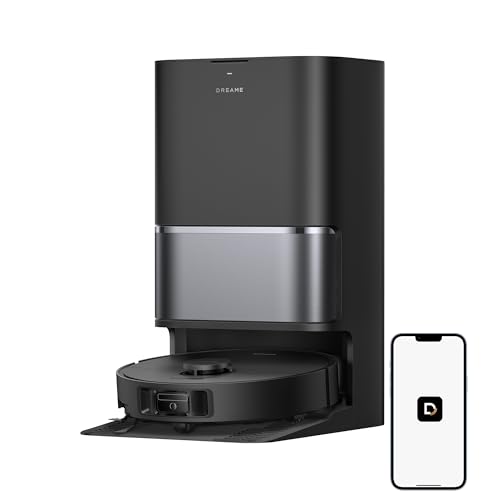
Suction ratings between 10,000 Pa and 25,000 Pa provide dependable pickup for both hard floors and carpets. The entry-tier models in this category start around 10,000 Pa to 15,000 Pa, which handles daily pet hair, crumbs, and surface grit. Higher-tier options like the dreame L40 Ultra Gen 2 offer up to 25,000 Pa, delivering stronger pull for debris settled into carpet base fibers.
Do all auto mop lifting robot vacuums come with self-washing docks?
Not all models include mop-washing docks; some only empty the dry dustbin or require manual pad washing. Units like the roborock 2026 New Qrevo S Pro and iRobot Roomba 415X feature advanced docks that wash pads with heated water or warm air to reduce odors. More affordable alternatives, such as the standard iRobot Roomba 115X Combo, focus primarily on single-pass vacuuming and mopping with manual pad maintenance.
How do robot vacuums avoid obstacles while mopping and vacuuming?
Modern robot vacuums use LiDAR navigation paired with structured light or optical sensors to detect and avoid objects. Systems like ReactiveTech obstacle avoidance and ClearView LiDAR map rooms in real time to steer clear of shoes, pet bowls, and power cords. This automated navigation prevents the robot from getting stuck or dragging cords across damp floors during cleaning cycles.
How often do you need to replace the dust bag in a self-emptying dock?
Most self-emptying docks require dust bag replacement once every 7 to 12 weeks, depending on household dust levels. Models like the roborock Q10 S5+ provide up to 70 days of hands-free debris storage, while several iRobot AutoEmpty docks advertise up to 90 days of capacity. Homes with multiple shedding pets may need to swap the sealed collection bags more frequently to maintain optimal airflow.






Write Your Review
No reviews yet. Be the first to share your experience!