


Clearing Heavy Sludge and Organic Buildup Efficiently
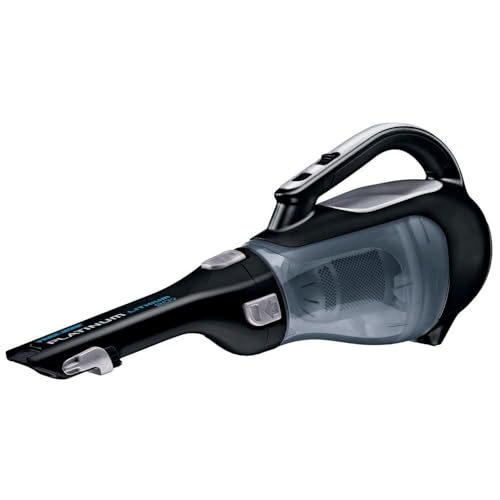
Thick layers of decomposing leaves, fish waste, and settled grime can quickly turn a backyard water feature murky and unmanageable. While indoor maintenance relies on tools like a cordless stick vacuum with removable battery for quick dry cleanups, outdoor aquatic basins present heavy liquid muck that standard shop tools cannot handle without constant clogging. Identifying the best pond vacuum for mud and silt allows you to extract settled bottom debris without draining gallons of treated water. Our analysis evaluates manufacturer specifications, listed continuous-suction features, motor wattage, and nozzle capabilities across top-rated units to help you select the right machine for your water feature.
Pond vacuums rely on either continuous dual-chamber systems or automated intermittent cycles to manage water displacement. Models engineered with dual-chamber suction systems maintain non-stop operation by filling one reservoir while discharging another, which substantially cuts down on maintenance time. In contrast, entry-level designs with timed pauses offer practical value for smaller decorative pools under three feet deep. By reviewing motor ratings ranging from 1200 to 1600 watts alongside intake hose reach, you can balance budget constraints against deep-cleaning power without disrupting aquatic wildlife.


Frequently Asked Questions
How does a dual-chamber pond vacuum differ from a single-chamber model?
A dual-chamber pond vacuum enables continuous suction by alternating between two internal cylinders. While one chamber fills with muddy water, the other discharges out through the drain hose, preventing the motor from stopping. Single-chamber or intermittent-cycle vacuums pause suction every few seconds to empty the canister. If you manage a large basin with heavy silt, dual-chamber designs save substantial time during extensive cleanouts.
Can a pond vacuum remove mud without harming koi and other fish?
Most pond vacuums provide steady suction designed to safely clean around fish when operated with care. Manufacturers include specialized wide nozzles and gravel tools that lift decaying muck while leaving heavier bottom substrate and active pond life undisturbed. Just as specialized home appliances like Bissell carpet cleaners for pet stains target localized messes without damaging surfaces, controlled pond nozzles isolate sludge pockets. It is best to move slowly and avoid pointing the suction tube directly near aquatic pets.
What maximum suction depth is needed for cleaning pond silt?
A suction depth of three to six feet accommodates most residential koi ponds and water gardens. Listed specifications for models like the Oase Pondovac series indicate effective suction reach up to six feet, whereas compact 1400-watt units recommend depths up to three feet. Operating beyond a manufacturer’s specified maximum depth reduces vacuum pull and can prevent muck from reaching the intake hose.
Do you need to drain the pond completely when using a vacuum for mud and silt?
You do not need to drain your water feature to remove silt and muck with a dedicated pond vacuum. These wet machines pull sludge directly through extended tubes while the pond remains filled, preserving the established ecosystem. Many systems even provide debris collection bags to catch coarse vegetation while returning filtered water back into the basin or channeling waste directly into garden beds.
What motor wattage should you look for in the Best Pond Vacuum For Mud And Silt of 2026?
Motor ratings between 1200 and 1600 watts are standard for effective residential pond muck extraction. Higher wattage motors typically supply the necessary lift to transport thick silt and wet debris through long intake hoses. However, overall suction also depends on hose diameter, chamber mechanics, and the elevation between the vacuum base and water level.




Write Your Review
No reviews yet. Be the first to share your experience!