


Key Considerations for Suction Devices and Manual Pumps
Dependable suction mechanics are essential whenever you need reliable pressure containment across specialized utility tasks. Just as specialized dental vacuum pump equipment requires precise pressure control, evaluating the best mens vacuum pump requires a careful look at valve stability and build quality. Unlike standard vacuums that pull high-flow air channels to collect debris, these personal cylinders rely on sealed chambers and hand levers or electric motors to generate negative pressure. Our editorial comparison reviews manufacturer specifications, quick-release valve mechanisms, cylinder materials, and listed operating modes without relying on hands-on claims.
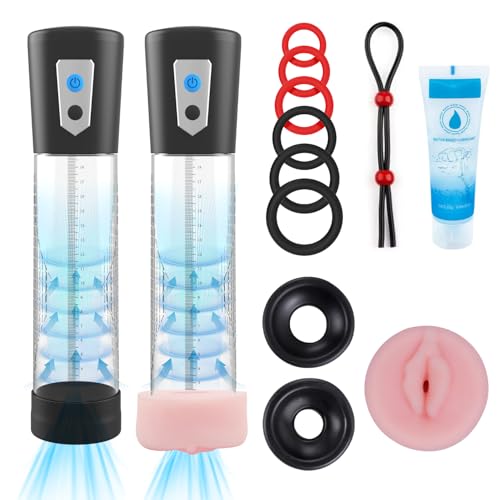
Shoppers often face tradeoffs between the mechanical simplicity of manual handles and the motorized convenience of electric units. Models like the Vacuum Pump Handle with Release Valve for Suction provide manual control with an ergonomic grip, while electric options list digital displays and multi-level suction settings. Transparent cylinder markings, anti-crack plastic hoses, and soft silicone sealing rings help ensure you select an option matching your operational preferences.




Frequently Asked Questions
How does a manual vacuum pump handle differ from an electric unit?
Manual handles rely on physical pumping action, whereas electric units use an automated motorized pump. A manual device like the VBXCFT handle features a hand lever and an integrated release valve for user-regulated negative pressure. Electric models list push-button controls and digital screens for automated operation. Deciding between them depends on your preference for mechanical simplicity versus powered operation.
What is the purpose of a quick-release valve on a best mens vacuum pump?
A quick-release valve allows users to disengage suction immediately and regulate internal pressure safely. By venting air back into the cylinder, the valve prevents excessive pressure buildup during operation. Most manufacturer descriptions highlight this mechanism as a vital control feature for both manual and electric designs, enabling smooth disengagement without forcing the cylinder off.
How do transparent measurement cylinders assist during operation?
Transparent cylinders with ruled markings allow users to monitor visual progress and verify positioning. The clear plastic body lets you observe the internal chamber and confirm an airtight seal against the silicone base. Many product listings highlight calibrated measurement marks for accurate tracking, while also making cleanliness inspections straightforward before each session.
What materials are commonly used in these vacuum suction devices?
Most listed models feature rigid plastic cylinders paired with flexible silicone base rings and anti-crack hoses. The plastic cylinder body provides structural integrity to withstand negative pressure without deforming. Soft silicone on the base creates an airtight, comfortable contact point. Manufacturers design these components for simple disassembly and washing with mild soap and warm water.
How do personal vacuum pumps differ from standard household vacuums?
Personal vacuum pumps create a closed static vacuum inside a sealed cylinder rather than generating continuous high-velocity airflow for debris removal. While household cleaning equipment like a 12 volt car vacuum cleaner uses a motor and filter to gather dirt, personal pumps focus entirely on controlled pressure containment. They lack dustbins or filters, relying instead on airtight gaskets and pressure relief valves.


Write Your Review
No reviews yet. Be the first to share your experience!