


Clearing Patios and Lawns with Dual-Action Suction
Raking fallen leaves and sweeping driveways can quickly wear out your back during seasonal yard cleanups. Switching between a stiff broom, a garden rake, and bulky yard waste bags wastes valuable weekend hours when matted wet debris coats your walkways and garden borders. Equipping your tool shed with the best leaf blowers and vacuum combos allows you to blast debris into tidy rows and shred it directly into a collection bag in one seamless session. Much like using a cordless vacuum with 2 batteries for deep home maintenance, selecting an outdoor cleanup tool requires balancing active runtime against continuous suction performance.
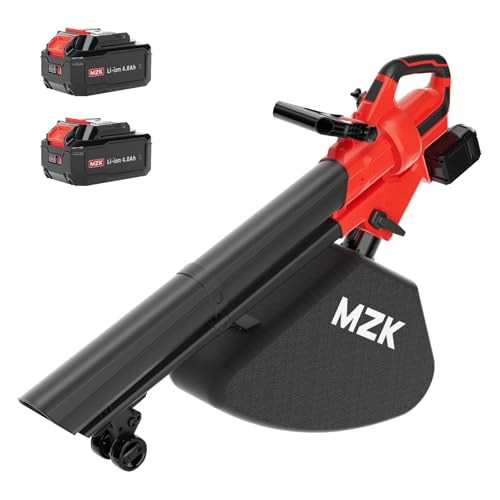
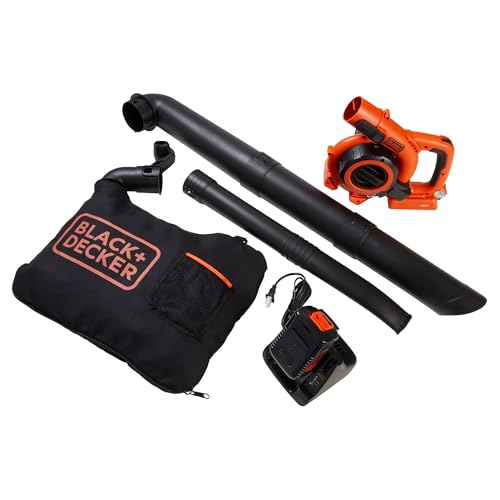
This guide evaluates verified manufacturer specifications, published air velocity ratings, and mulch reduction claims across leading corded and battery models. While corded designs offer unlimited power for prolonged tasks around patios, cordless battery models provide maximum portability along fence lines and far edges without extension cable tangles. We examine critical design components, including high-impact mulching impellers, tool-free mode converters, variable airflow controls, and durable collection bags. Reviewing these manufacturer details side by side ensures you find a balanced machine built to handle your specific outdoor cleanup routine without unnecessary strain.



Frequently Asked Questions
What does the mulch ratio mean on a blower and vacuum combo?
The mulch ratio indicates how much the shredding impeller compresses loose yard leaves into smaller debris. A 15:1 or 16:1 ratio means the internal fan reduces fifteen or sixteen bags of unmulched dry leaves down to a single compact bag. This significant size reduction cuts down on disposal trips and produces fine garden mulch for flower beds.
Should you choose a corded or cordless model for yard cleanup?
Your yard size and electrical outlet access determine whether corded or cordless power makes sense. Corded tools provide continuous motor output for long hours of clearing without worrying about charging cycles. Cordless units rely on lithium-ion batteries that allow unrestricted navigation along fences and driveways, similar to how a Dyson cordless vacuum offers quick reach indoors.
Can these vacuum combos pick up wet leaves and twigs without clogging?
Damp leaves and small twigs can be collected, but heavy wet debris increases the chance of chute blockages. Several models incorporate metal impellers and quick-access cleanout doors to help minimize jams when handling stubborn foliage. Clearing dry leaves remains the fastest approach to avoid packing the collection tube or overworking the motor.
How does CFM differ from MPH when evaluating blower strength?
Cubic feet per minute (CFM) measures the overall volume of air moved, while miles per hour (MPH) indicates how fast that air exits the nozzle. High MPH is useful for dislodging stuck-on debris and matted wet foliage from hard surfaces like concrete. Higher CFM ratings allow the machine to sweep and vacuum wider piles of leaves across large open lawns.
How often do you need to empty the collection bag during operation?
Emptying frequency depends on your yard size, leaf density, and the capacity of the collection bag. Many units feature 40-liter or 50-liter bags that hold substantial material when paired with a high mulch reduction ratio. Emptying the bag before it reaches full capacity helps maintain steady suction and prevents unnecessary weight strain while maneuvering.





Write Your Review
No reviews yet. Be the first to share your experience!