


Cracked mortar joints, bare structural posts, and unsightly metal support poles often interrupt an otherwise cohesive interior design. Rather than mixing wet mortar or wrestling with heavy masonry veneers that require extensive bracing, wrapping vertical columns with lightweight composite materials provides an immediate visual lift. Selecting the best faux brick post wrap allows you to achieve the authentic texture of real masonry while sidestepping the structural weight, messy trowel cleanup, and specialized jointing tools. Based on product specifications and user feedback, modern self-adhesive panels give remodelers a simple path to conceal steel lally columns or dated woodwork with a reliable anti-collision brick veneer aesthetic.
Proper substrate preparation remains critical when wrapping any support beam, because peeling backing adhesives need clean, dust-free surfaces to bond securely without sagging over time. Steel columns, smooth lumber, cured cement walls, and painted drywall all accept self-adhesive foam panels when wiped clean of grease and loose residue. If you want to coordinate adjacent living spaces, comparing these flexible wraps with alternative 3D brick wall panels helps establish a unified, textured finish across accent walls and wrapped posts alike. Carefully reviewing panel dimensions and adhesive ratings ensures your completed column holds up to daily household bumps without requiring frequent maintenance or reattachment.

Pros
- Creates a dimensional brick look without the weight, mixing mess, or labor of real masonry veneer
- Peel-and-stick adhesive bonds directly to cured cement, drywall, wood, and lime walls
- Resilient 7mm PE foam provides protective cushioning against impacts and minor sound insulation
- Water-resistant surface finish makes dusting and light wipe-down care simple
Cons
- Lightweight foam construction does not provide the structural permanence, fire resistance, or tactile hardness of real clay or concrete brick
- Unsuitable for high-heat exposure such as fireplace interiors, direct stove backsplashes, or outdoor exterior walls
- Adhesion depends strictly on thorough surface prep, requiring a completely clean, dust-free, and dry substrate
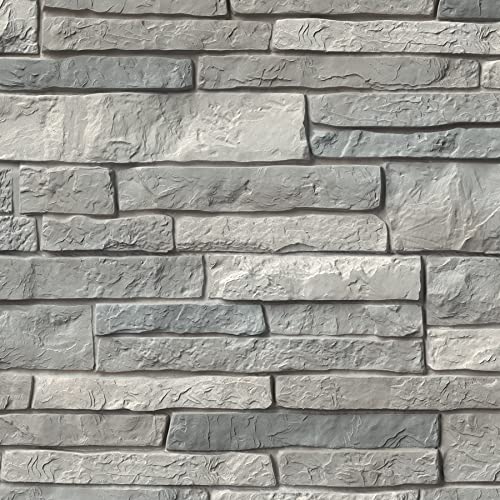
The YU LI 3DH 3D Faux Brick Wall Panel set is a decorative, peel-and-stick interior wall covering designed to replicate the appearance of textured masonry. Featuring a rock color finish and a pronounced relief pattern, this 10-piece pack suits DIY homeowners, apartment dwellers, and property managers seeking the visual character of exposed brick without the structural weight, mortar mixing, or specialized masonry tools required by traditional brick veneer.
Each pack covers 14.4 square feet, with individual panels measuring roughly 13.8 inches wide by 15.2 inches high. The 7mm thickness provides a pronounced three-dimensional profile that casts realistic shadow lines across each simulated joint. Beyond visual appeal, the soft polyethylene foam structure delivers anti-collision protection against bumps and adds modest sound-dampening qualities to living spaces, family rooms, or stairwells.
Material composition centers on lightweight PE foam that the manufacturer notes is odorless, non-toxic, and formaldehyde-free. The surface layer is waterproof and dustproof, shielding the foam core from everyday airborne grime and moisture splashes. Because it uses an integrated self-adhesive backing, there is no need for thin-set mortar, mechanical fasteners, or repointing tools, making project layout and trimming straightforward with standard household scissors or a utility knife.
Surface preparation remains critical for successful adhesion. The manufacturer specifies that target walls must be flat, dry, free of dust, and structurally sound without peeling paint or flaking plaster. Supported substrates include smooth cement walls, lime walls, interior wood, painted drywall, steel, and glass. Once installed, everyday upkeep is minimal, needing only gentle wiping with a damp rag to lift surface dust and maintain the clean stone-and-brick appearance.
Potential buyers should keep realistic product boundaries in mind. While these panels simulate masonry, they are made of lightweight foam and will not provide the hard, load-bearing durability or authentic touch of kiln-fired clay brick or concrete block. Furthermore, because foam is sensitive to high heat, these panels should never be used inside active fireboxes, placed directly against wood stove flues, or used in exterior weather-exposed applications.
For homeowners and renters looking to transform plain interior drywall, create a rustic accent wall, or refresh an existing decorative fireplace surround on a manageable budget, this 10-piece set offers a practical, mess-free alternative to wet masonry construction.
These self-adhesive faux brick panels are designed to bond securely with a wide variety of flat, rigid interior surfaces. Manufacturer specifications support application over fully cured cement walls, lime plaster, interior wood panels, painted drywall, smooth glass, and clean steel plates.
To ensure strong adhesive bonding, the substrate must be completely dry, structurally solid, and free from grease, loose plaster, or powdery debris. Uneven, heavily textured, or crumbling masonry walls should be repaired, smoothed, and cleaned before panel application to prevent premature detachment.
The protective top layer of each foam panel is both waterproof and dustproof, allowing straightforward cosmetic maintenance without specialized masonry detergents. Routine dust can be removed using a dry microfiber duster or a soft-bristle brush attachment on a standard household vacuum.
For light smudges or liquid splashes, wipe the surface gently with a damp cloth and mild household soap. Avoid using abrasive scrubbing pads, harsh acid-based masonry cleaners, or chemical solvents, as aggressive cleaners can damage the foam finish and degrade panel seams.
Frequently Asked Questions
What substrates are compatible with the best faux brick post wrap?
Yes, self-adhesive foam brick wraps bond effectively to smooth steel, clean wood, flat drywall, cured cement, and lime walls. The surface must remain flat, dry, and dust-free so the adhesive holds securely. Greasy basement posts or crumbling masonry prevent proper bonding, making thorough surface cleaning essential prior to application.
Can you wrap round basement lally columns with these panels?
Yes, the flexible 7mm PE foam bends gently around curved posts, though cylindrical surfaces require careful panel trimming. Measuring post circumference and cutting edges with a utility knife ensures tight vertical seams. Many DIYers prefer framing round posts into a square box with thin lumber or drywall before peeling and sticking the panels.
How do peel-and-stick foam wraps compare to rigid brick veneer?
Peel-and-stick foam post wraps offer lightweight handling, anti-collision cushioning, and tool-free installation without mortar. In contrast, rigid stone or brick veneer provides mineral-based permanence but requires mortar, spacers, and extensive labor. Foam panels deliver a textured brick look for quick, non-structural cosmetic updates.
Does the best faux brick post wrap require a masonry sealer or topcoat?
No, PE foam panels feature a waterproof, dustproof exterior that requires no chemical sealers. Penetrating siloxanes and acrylic sealers designed for clay brick will not absorb into polyethylene and can harm the finish. Routine maintenance simply requires wiping the textured surface with a damp cloth.
How much surface area does one set of post wrap panels cover?
One ten-piece package covers 14.4 square feet. Measuring the perimeter and height of your structural posts helps determine the exact tile count while accounting for seam trimming. For projects extending beyond single columns, planning an interior brick veneer wall layout helps calculate total square footage accurately.
Is the best faux brick post wrap safe for use around functional fireplaces?
No, foam post wraps must not be installed near direct heat sources or working firebox openings. While the material is non-toxic and odorless, PE foam can soften or melt under high heat. Surfaces exposed to active fireplaces require non-combustible clay brick, stone, or refractory mortar instead.




Write Your Review
No reviews yet. Be the first to share your experience!