


Targeting Hidden Debris and Fabric Allergens in Mattresses
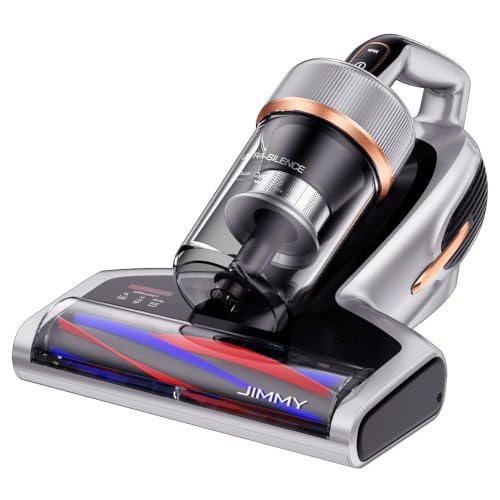
Mattress care is often overlooked until dust buildup, pet dander, or morning sniffles make deep fabric cleaning an immediate priority. Standard floor vacuums lack the specialized vibration pads and heat systems needed to treat dense bedding materials effectively. Investing in the best dust mite vacuums for beds gives you dedicated tools designed to agitate fibers, draw out microscopic particles, and keep sleeping areas clean. While an upright option like the Shark Navigator Lift Away Speed vacuum handles regular bedroom carpets, specialized mattress cleaners focus specifically on upholstery sanitation.
Our comparison evaluates manufacturer specifications, suction ratings up to 18 kPa, advanced filtration, and safety sensors across popular corded models. These handheld units combine UV-C light technology, ultrasonic vibrations, and hot air drying to loosen stubborn debris from mattresses and sofas. Because thorough fabric cleaning requires sustained power, corded designs remain the standard over a cordless stick vacuum with removable battery. We review these options to help you choose the right balance of suction, filtration, and convenience for your home.




Frequently Asked Questions
How do mattress vacuums differ from standard vacuum cleaners?
Mattress vacuums use vibrating beaters, UV-C lamps, and heated air specifically designed for dense bedding rather than hard floors. Standard cleaners, including self emptying robot vacuums, rely strictly on airflow and rotating bristles intended for carpets. Specialized bed cleaners vibrate up to 33,000 times per minute to loosen embedded skin flakes without damaging delicate mattress fabrics.
Are UV-C lights on mattress vacuums safe to use at home?
UV-C lights on these vacuums are safe when operated according to manufacturer instructions because they include built-in safety shut-off sensors. Gravity-sensing base wheels automatically turn the ultraviolet lamp off the moment the machine is lifted or tilted from the bed surface. This mechanism prevents accidental skin or eye exposure while ensuring effective surface treatment during flat passes.
Can these bed vacuums pick up pet hair effectively?
Models equipped with motorized roller brushes and suction ratings between 13 kPa and 18 kPa pick up pet hair from fabric surfaces easily. Some compact units lack specialized brush rollers and may struggle with thick fur, so checking listed specifications is essential. For pet stains or damp messes on upholstery, dedicated Bissell carpet cleaners for pet stains remain the proper cleaning choice.
Why do most dust mite vacuums use power cords?
Corded connections deliver the steady electrical wattage necessary to run high-suction motors, beating mechanisms, and 140-degree heating elements simultaneously. Battery-powered alternatives would drain within minutes under the heavy electrical load demanded by high-temperature air and ultrasonic waves. Extended cords measuring over 16 feet allow users to clean large king-size mattresses and sofas without pausing to switch outlets.
How often should you vacuum a mattress?
Vacuuming your mattress every two to four weeks is generally recommended to control organic dust, skin flakes, and surface dander. Homes with indoor pets or family members sensitive to dust may benefit from weekly cleaning sessions. Moving the vacuum slowly across each section gives the heat, tapping pads, and suction enough contact time to lift trapped debris.




Write Your Review
No reviews yet. Be the first to share your experience!