


Managing Heavy Masonry and Workshop Particles
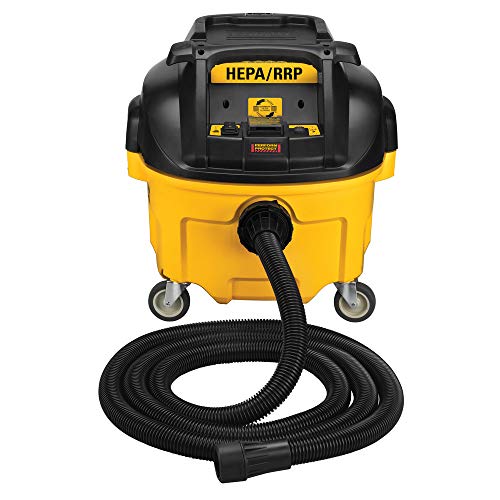
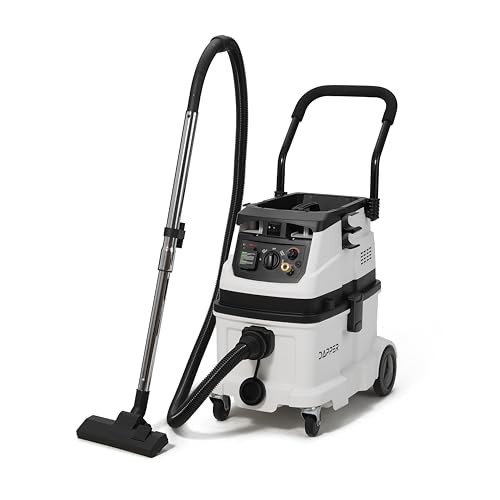
Masonry grinding and drilling produce abrasive dust that quickly overwhelms conventional utility vacuums. When working with fine masonry cleanup, standard shop vacs or a lightweight cordless stick vacuum with removable battery cannot deliver the sealed containment or continuous airflow needed for heavy debris. Choosing the best concrete dust vacuum with hepa filtration ensures fine crystalline particles remain contained within sealed collection canisters instead of venting back into your breathing zone. This review examines factory specifications, CFM ratings, tank sizes, and pulsing mechanisms across leading commercial extractors to help you work cleanly.
Concrete dust packs tightly against standard filters, degrading motor performance within minutes. Dedicated extractors resolve this restriction with automatic filter cleaning that regularly pulses the filter, alongside power tool activation that runs the vacuum automatically when your grinder starts. Reviewing these verified specifications helps you choose a machine with the right balance of suction and capacity for your jobsite.


Frequently Asked Questions
Why does a concrete dust vacuum need automatic filter cleaning?
Automatic filter cleaning maintains continuous suction by dislodging fine dust before it clogs the filter. Concrete particles create an impermeable cake across pleated filter media. Pulse systems on extractors like the DEWALT DWV010 and Bosch VAC090AH clear debris every 15 to 30 seconds without interrupting operation. This process protects the motor from strain and sustains high airflow.
How does tool-activated auto-start operate on a dust extractor?
Tool activation powers the vacuum on and off automatically when you trigger an attached corded tool. An integrated outlet detects power draw from tools such as grinders or sanders, immediately starting extraction. Units like the Makita VC4210L include an off delay to clear the hose before stopping. This setup prevents dust clouds right at the cutting source.
Can a regular shop vacuum safely collect concrete dust?
Standard utility vacuums lack the certified filtration and sealed housing required for fine silica particles. While a household cleaner or a cordless vacuum with 2 batteries handles ordinary household grit, fine masonry dust escapes basic filters and vents into the air. Concrete extractors use true HEPA filters capturing 99.97 percent of particles at 0.3 microns, often paired with anti-static hoses.
What is the difference between CFM and water lift for concrete dust?
Airflow in CFM measures air volume moving through the hose, while water lift indicates static suction pressure. High airflow, typically 140 to 151 CFM, pulls fine airborne clouds into the nozzle at the tool shroud. High water lift, up to 97 inches, lifts heavy concrete rubble through longer hose lines. Balancing both specifications ensures thorough dust and debris collection.
Are fleece collection bags recommended for concrete dust vacuums?
Fleece bags act as a durable pre-filter, trapping fine dust before it reaches the main HEPA cartridge. Multi-layer fleece resists tearing from sharp concrete debris better than paper bags. Using fleece liners extends HEPA filter life and allows clean, sealed disposal without releasing dust back into your workshop.


Write Your Review
No reviews yet. Be the first to share your experience!