


Keeping floors clean without daily manual pushing makes robot vacuums an attractive option for busy households. If you are asking where can i buy a roomba, several purchasing avenues exist depending on whether you want the newest automated model or budget-friendly maintenance bundles. Official direct store fronts, major electronics retailers, and specialized online marketplaces all stock automated cleaners alongside essential maintenance hardware. Checking certified seller designations helps ensure you receive valid warranty protection and genuine manufacturer support rather than unsupported grey-market units.
Shoppers evaluating retail options often compare big-box stores against online merchants to find seasonal promotions or bundled accessories. Many buyers also check physical store aisles or browse warehouse club vacuum selections to inspect machine profiles and packaging before completing a purchase. Beyond selecting the vacuum itself, considering long-term ownership needs like replacement filters, rubber rollers, and edge brushes is equally critical. Identifying reliable retail channels for both the primary robot and compatible upkeep parts ensures your automated cleaning routine runs smoothly without unexpected downtime.




Navigating Retail Channels and Long-Term Ownership for Roomba Vacuums
Finding where to purchase a robot vacuum requires balancing authorized retailer protections, pricing flexibility, and long-term access to essential upkeep components. While many shoppers focus entirely on the initial hardware purchase, the ongoing availability of roller extractors, filtration cartridges, and replacement collection bags dictates the true lifespan of the device. Reputable storefronts provide official warranty support and customer service, while established online platforms offer rapid replenishment for wear-and-tear items. Understanding how primary vacuum retail channels interact with secondary component markets helps you build a reliable automated floor cleaning routine.
Authorized Retailers Versus Third-Party Marketplaces
Purchasing directly from the manufacturer store gives buyers guaranteed access to authentic warranty coverage and current model releases. Direct storefronts frequently feature bundle packages that pair a base robot with extra docking supplies or customer support plans. You also gain direct access to manufacturer customer service representatives who can verify serial numbers and provide firmware guidance. However, direct purchases rarely feature aggressive markdowns outside of major national holiday promotional periods.
Major national retail chains such as Best Buy, Target, and Walmart provide an alternative route with the added benefit of physical store pickup. These brick-and-mortar storefronts allow shoppers to examine machine heights, dock dimensions, and bin configurations before bringing the appliance home. Furthermore, established retail chains maintain straightforward return windows if a particular robot struggles with the threshold transitions or furniture heights in your home. You should always confirm that an online order through these retailers is sold directly by the merchant rather than an unvetted marketplace vendor.
Online marketplaces like Amazon offer the widest variety of current models, older legacy devices, and accessory bundles in one central catalog. When shopping on large digital platforms, checking the fulfillment details is essential to avoid counterfeit goods or invalid warranties. Units shipped and sold directly by the platform or the official brand storefront qualify for authentic coverage, whereas unauthorized third-party resellers may void protections. Marketplaces excel at providing user reviews and frequent promotional price drops that lower the barrier to entry for first-time automated vacuum owners.
Wholesale Clubs and Certified Refurbished Channels
Membership warehouse clubs frequently stock customized model bundles that include bonus replenishment supplies right in the box. These specialty retail packages often feature extra air filters, edge brushes, or allergen bags designed to cover several months of scheduled maintenance. Wholesale clubs also provide extended customer return satisfaction policies that grant extra peace of mind for hesitant shoppers. Inventory at club locations tends to rotate seasonally, meaning specific robot series may only appear during targeted home care promotions.
Certified refurbished programs represent another practical avenue for cost-conscious shoppers seeking brand-name automated vacuums. The manufacturer and authorized refurbishment partners inspect returned machines, replace worn contact components, and repackage units with fresh accessory packs and standard limited warranties. Choosing certified refurbished hardware helps you secure advanced navigation features or self-emptying docks without paying full introductory retail prices. Buyers should carefully review the warranty documentation on refurbished listings to verify whether service claims must go through the retailer or the original manufacturer.
Distinguishing Standalone Robot Vacuums from Mopping Combinations
Selecting where to buy a robot vacuum often depends on whether your home requires dry suction pickup alone or integrated hard-floor washing. Dedicated vacuum models focus purely on dry particulate collection across carpeted floors, area rugs, and tile surfaces. These units employ high-velocity airflow and counter-rotating rubber extractors to lift embedded dust and pet dander into an onboard collection container. If your property features predominantly hard flooring, browsing hard floor vacuum mop combos highlights alternative multi-surface designs that scrub and suction simultaneously.
Modern 2-in-1 robot mop and vacuum combinations utilize specialized water tanks, microfiber pads, and liftable cleaning arms. Retail platforms categorize these dual-purpose appliances differently, sometimes grouping them under general floor scrubbers rather than traditional robotic vacuums. While combo units reduce the physical labor required to maintain bare floors, they introduce additional maintenance demands such as pad washing, nozzle descaling, and fluid reservoir refilling. Verifying that a retailer stocks compatible replacement pads and cleaning solutions alongside the machine prevents future upkeep bottlenecks.
Homes with extensive carpeting or tall thresholds often benefit from keeping automated vacuuming separate from dedicated wet cleaning routines. Standalone robotic vacuums navigate thick carpets with higher clearance and dedicated agitation systems that avoid dampening fabric fibers. When searching retail listings, inspecting the drive wheel suspension and floorhead height clearance helps determine whether a model suits your specific floor plan. Many households deploy a standalone dry robot vacuum for daily hair pickup while utilizing manual equipment or specialized wet cleaners for deeper moisture scrubbing.
Genuine OEM Versus Compatible Aftermarket Accessories
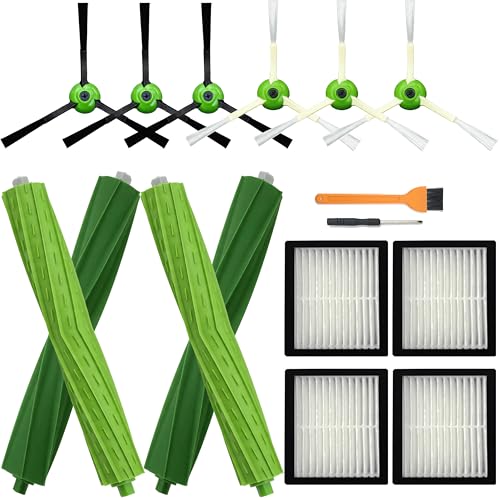
Once you select a retailer for your robot, securing regular replacement consumables becomes the ongoing focus of machine ownership. Authentic components such as the iRobot Authentic Replacement Parts replenishment kit provide parts manufactured to original specifications. The official kit includes three high-efficiency filters designed to trap fine particles, three 27-degree edge-sweeping brushes, and one set of dual multi-surface rubber brushes. While authentic parts carry standard brand pricing, they ensure exact alignment with motor tolerances, latch housings, and airflow channels.
Budget-minded owners frequently explore third-party accessory kits to reduce the ongoing cost of filters, brushes, and dust bags. Comprehensive kits such as Replacement Parts Accessiroes Compatible bundle two sets of rubber brushes, eight filters, eight side brushes, ten disposal bags, and cleaning tools. These aftermarket bundles use polycarbonate materials and are marketed as compatible replacements across popular automated series. Opting for large bundles allows households to swap out soiled filters and worn brushes without waiting for individual shipments.
Other accessible third-party offerings include the E-HAO Vacuum Roller Brush for iRobot Roomba i/j/e, which delivers four sets of dual rubber brushes tailored for high-wear households. Similarly, options like the LOVECO Replacement Parts Compatible for iRobot and Replacement Parts for Roomba e, i supply complete multi-component service packs. Compatible aftermarket kits generally snap directly into existing brush modules without tools, mimicking factory installation steps. However, owners should inspect plastic moldings and rubber flexibility on arrival to ensure smooth rotation inside the cleaning head.
Balancing genuine factory components against third-party accessories often comes down to warranty considerations and part sensitivity. Sensitive electronic parts, battery cells, and main motor modules are safest when sourced directly from authorized factory distributors. In contrast, mechanical wear items like side brushes, rubber extractors, and dustbin filters can often be replaced with reputable compatible bundles without compromising machine safety. Reading retailer product listings carefully ensures you understand whether a kit is genuine factory equipment or an aftermarket alternative designed for compatibility.
Model Compatibility and Part Verification Across Series
Verifying model compatibility before purchasing parts or accessories is vital because robotic vacuum designs evolve across successive generations. Older legacy e series units such as the e5, e6, and e7 share core brush module dimensions with the popular i series, including i1 through i8 variants. The j series introduces front-facing optical cameras and altered bumper profiles while retaining similar underside dual-roller geometries. However, newer combo models like the Combo j7+ or Combo j9+ use specialized cleaning decks that are explicitly incompatible with standard replenishment bundles.
Newer product families such as the Roomba Max 700 series, including the Max 705, 706, and 775 Combo models, require careful part number verification. While some versatile roller sets, such as those from E-HAO, list compatibility across both legacy i-series units and newer Max 700 units, universal fit cannot be assumed. Roller lengths, gear peg splines, and end cap diameters must match the cleaning module drive socket precisely to prevent motor strain. Checking the model number stamped on your robot chassis or inside the companion mobile application avoids purchasing incompatible items.
Dust disposal bags also feature distinct docking neck configurations depending on the self-emptying base generation. Clean Base stations compatible with i, j, and e series robots typically accept standard slide-in cardboard or plastic collar bags that seal automatically upon removal. Purchasing bags with durable multi-layer fabric construction prevents fine drywall dust or pet dander from escaping into the room during automatic evacuation cycles. When ordering replenishment bags online, cross-referencing your base station model code ensures a snug seal against the evacuation suction port.
Household Flooring Factors and Pickup Expectations
Understanding how floor surfaces interact with robotic cleaners helps buyers choose the appropriate retail model and brush setup. Hardwood, laminate, and tile floors require flexible rubber rollers that maintain constant surface contact without scratching protective wood coatings. Edge-sweeping brushes spinning at precise angles reach into baseboard trim and cabinet recesses to channel debris toward the central suction intake. On hard surfaces, low-profile rollers gather fine kitchen crumbs, grit, and loose pet hair without scattering dust across polished floorboards.
Medium-pile and low-pile carpets present higher frictional resistance that demands durable motor torque and deep-tread dual rubber rollers. The counter-rotating rubber extractors grab carpet pile fibers to agitate trapped sand and hair toward the vacuum airflow channel. Homes with deep carpet textures or stubborn pet messes may occasionally require dedicated pet cleanup machines to remove heavy spot stains that dry robot vacuums cannot extract. Combining automated daily vacuuming with targeted manual carpet extraction ensures floor textiles remain thoroughly refreshed and free of embedded grime.
Transitions between different flooring types, such as thresholds between kitchen tile and carpeted living rooms, test robot mobility. Models equipped with spring-loaded drive wheels and high-traction tread climb standard transition strips without slipping or throwing error codes. If your home features high-pile shag rugs or loose fringe tassels, verify in the user manual whether no-go zones or boundary strips should be configured. Properly mapping your living space in the companion mobile app prevents the vacuum from stranding itself on challenging floor surfaces.
Routine Maintenance Schedules to Protect Suction Performance
Maintaining consistent suction and brush rotation requires sticking to a steady upkeep schedule regardless of where you purchase replacement parts. Cleaning the dual rubber extractors weekly prevents pet hair and carpet threads from binding around end bearings and driving up motor resistance. Manufacturers and third-party accessory makers recommend hand washing rubber brushes in warm water when dirty and letting them air dry completely before reinstalling. Never reinstall damp brushes or moist filters into the robot chassis, as residual moisture can damage delicate electronic sensors.
High-efficiency filters located in the onboard dustbin trap micro-particles and fine dander, protecting internal exhaust fans from fine debris buildup. Tapping the filter gently against a trash can between cleaning runs dislodges loose dust caked onto the pleated filter paper. Most manufacturers recommend replacing air filters every one to two months, especially in homes with multiple shedding pets or dusty heating systems. Worn or blocked filters choke airflow, which weakens floor pickup efficiency and causes the vacuum motor to run hotter than intended.
Side-sweeping edge brushes also experience bent bristles and hair binding around their central retaining screws over time. If third-party replacement side brushes arrive with bent bristles from packaging, soaking them briefly in warm water helps restore their original angled shape. Unscrewing the side brush periodically allows you to pull away hair tangled beneath the spinning motor shaft before it creates friction. Keeping spare side brushes on hand ensures your machine consistently sweeps perimeter dirt out of baseboard corners into the primary suction path.
Common Pitfalls When Shopping for Robots and Accessories
One frequent mistake when shopping for automated vacuums is purchasing unverified open-box units from unauthorized digital marketplaces. These units may lack original serial numbers, include depleted lithium batteries, or carry lapsed factory warranty protections that leave buyers unprotected against component failures. Always verify that online vendors provide clear return guidelines and confirm that packaging includes all necessary charging cables and documentation. If an advertised deal appears substantially lower than standard market rates, check seller ratings carefully to ensure the listing represents a legitimate, fully functional appliance.
Another common error is ordering generic accessory bundles without cross-referencing specific robot chassis generations. While many kits advertise broad compatibility across letter series, subtle revisions between standard vacuum models and mop combination units can prevent proper latching. For instance, using roller extractors with incorrect end cap splines can strip drive gears or trigger loud clicking noises inside the cleaning head. Reading the exact model exclusion list on product pages protects you from holding incompatible accessories that cannot be returned.
Securing the right automated floor cleaner involves choosing an authorized retail merchant that backs your purchase with reliable warranty terms and direct support. Pairing that initial investment with reputable replenishment kits for rubber rollers, high-efficiency filters, and auto-empty bags keeps your machine operating smoothly over years of regular use. Always consult your product manual for specific maintenance schedules, and inspect wear-and-tear components regularly to preserve peak cleaning performance across all your home surfaces.




Write Your Review
No reviews yet. Be the first to share your experience!