


Waking up with stuffy sinuses, sneezing, or itchy skin often prompts people to inspect their bedding and upholstered furniture. Microscopic pests thrive inside mattresses, pillows, and fabric sofas where they feed on shed skin cells and warmth. When searching for %what is best for dust mites%, many homeowners wonder whether specialized vacuum cleaners, chemical treatments, or routine laundering provide the most practical relief. Soft surfaces trap allergens deep within their fibers, meaning traditional surface cleaning tools frequently leave embedded debris untouched.
Targeting these microscopic pests requires a combination of strong suction, sealed filtration, and surface disruption. While households tackling pet messes might rely on a specialized pet stain vacuum guide to extract biological spots, managing fabric allergens demands equipment focused on fine particles. Deep fiber extraction using heated water or a dedicated carpet extractor for home use can revive carpeting, but mattresses and delicate bedding require dry, targeted methods that do not leave residual moisture behind.


Pros
- Plant-derived active formula contains no synthetic fragrances or harsh additives
- Fine powder texture penetrates deeply into baseboard cracks, floor seams, and tight spaces
- Versatile for both indoor living zones and outdoor outbuildings or pet enclosures
- Convenient dry sprinkle application requires no mixing tanks or spray equipment
Cons
- Requires manual reapplication after cleaning, vacuuming, or outdoor moisture exposure
- White powder residue remains visible on dark flooring or exposed surfaces until swept or vacuumed
- Product listing does not disclose exact active ingredient percentages or specific pest mortality rates
Vetforce Mite Dust is a dry, surface-covering pest management powder formulated for treating targeted problem zones across residential and animal environments. Designed for homeowners, pet owners, and homesteaders, this 1.5-pound powder offers a dry alternative to wet chemical sprays. It is specifically aimed at addressing pest harborage in areas like baseboards, pet bedding, poultry coops, basements, and outdoor patios without relying on synthetic fragrances or harsh chemical additives.
The powder features a fine texture that allows it to settle deeply into narrow floor joints, foundation seams, and structural crevices where pests naturally nest. Instead of soaking surfaces with liquid concentrates, users can distribute the fine white dust directly onto target zones such as garage thresholds, attic corners, animal enclosures, or underneath pet bedding. The dry application makes it straightforward to direct into perimeter edges where regular sweeping or mopping might miss deep-set pest nests.
Vetforce packages this treatment in a 1.5-pound container, providing enough material for perimeter maintenance and localized spot treatments. The manufacturer highlights plant-derived active ingredients, creating a solution intended for households seeking cleaner alternatives around living spaces and animal feed stations. Because it contains no synthetic fragrances, it avoids leaving behind strong chemical odors that can disturb sensitive household members or pets.
Applying the dust involves direct sprinkling onto dry surfaces, making setup virtually effortless compared to liquid treatments that demand dilution and sprayer maintenance. When treating indoor baseboards or carpet perimeters, homeowners should plan for routine vacuum maintenance or broom cleanup if the powder spreads beyond hidden cracks. Outdoors or in high-traffic pet areas, reapplication is typically necessary after routine floor washing, heavy rainfall, or deep cleaning of pet bedding.
Despite its ease of use, there are practical boundaries to keep in mind. The white powder remains visible on dark floor finishes, tiles, or open rugs if over-applied, which may require careful vacuuming to keep living areas looking tidy. Additionally, because the listing emphasizes plant-based ingredients without publishing specific chemical percentages or independent laboratory kill rates, performance may vary depending on the severity of the pest issue and moisture levels in the environment.
For households and animal caretakers seeking a targeted, dry preventive powder for tight floor crevices, coop perimeters, and pet sleeping zones, Vetforce Mite Dust offers a practical, low-mess approach. It works best as part of an integrated home-care routine where dry perimeter treatments complement regular vacuuming, washing, and moisture control.
Vetforce Mite Dust is formulated for multi-zone deployment, spanning both interior household spaces and outdoor structures. Indoors, it works as an edge treatment along baseboards, entry thresholds, subfloor joints, and dark corners of basements or attics where crawling pests congregate.
In pet areas, the powder can be dusted underneath bedding liners, around animal pens, and inside poultry coops to target pest breeding areas without introducing wet chemical residues. For outdoor maintenance, application around garage margins, patio slabs, and animal feed areas helps establish a protective dry perimeter against invading pests.


Managing Dust Mites on Mattresses and Fabric Furniture
Finding %what is best for dust mites% involves understanding how these tiny organisms live, reproduce, and accumulate in indoor fabrics. Dust mites do not bite humans or burrow into skin, but their microscopic droppings and shed body fragments contain potent proteins that trigger indoor allergy symptoms. Because mattresses and pillows provide constant warmth, humidity from perspiration, and an abundant food supply, they represent the primary nesting zones in most households.
Standard household vacuum cleaners often lack the specific physical mechanisms required to lift settled allergen particles out of dense foam and quilted fabric toppers. Specialized mattress cleaners bridge this gap by combining physical tapping agitators, high-velocity airflow, high-efficiency particulate air filtration, and secondary sanitizing technologies like controlled heat and ultraviolet light. Selecting the right solution requires weighing specialized vacuum hardware against topical powders and consistent laundry routines.
The Role of High-Frequency Agitation and Suction
Dust mites cling tightly to fabric weaves using tiny hooked claws, making them difficult to dislodge with passive airflow alone. High-frequency vibration plates or specialized motorized roller brushes strike mattress surfaces thousands of times per minute to disrupt this grip. By physically vibrating the mattress ticking and batting, hidden dander and microscopic waste break loose so airflow can capture them.
Airflow volume and static lift work together once agitation loosens the debris. Dedicated units like the Teant Bed Mattress Vacuum and the IRONSPIRE Bed Vacuum Cleaner provide manufacturer-rated suction up to 18 kilopascals. This level of lift pulls dislodged matter through tightly woven cotton and synthetic fiber layers before it settles back into deeper core cushioning.
When selecting cleaning equipment, matching roller brush firmness to the targeted textile prevents surface damage. While stiff bristles pull coarse pet hair out of tough woven couches, softer rollers prevent fabric pilling on delicate high-thread-count mattress covers. Having swappable roller types allows one handheld appliance to clean fragile pillows without snagging while maintaining enough bite for heavy upholstery.
Filtration Standards and Dual-Chamber Dust Management
Capturing microscopic allergens requires sealed filtration paths that prevent fine particles from venting straight back into the bedroom air. True HEPA filters capture at least 99.97 percent of airborne particles as small as 0.3 microns, which encompasses mite body fragments, fecal matter, and common pollen. Without certified filtration, vacuuming upholstered surfaces merely redistributes allergens into the ambient breathing zone.
Dual-cup and cyclonic separation designs protect fine filters from premature clogging. In single-chamber designs, pet hair and lint rapidly coat the filter pleats, choking airflow and causing significant suction drop within minutes of use. Separation chambers spin heavy debris into a primary compartment while directing fine airborne dust into a separate filtration housing, maintaining steady suction across larger king-size mattresses.
Maintaining washable filter elements according to manufacturer instructions preserves overall suction and indoor air hygiene. Rinsing a foam or pleated filter under cool tap water removes caked dander, but reinstalling a damp filter risks mold growth and motor failure. Always allow washable components to air-dry completely for at least twenty-four hours before seating them back into the machine chassis.
Heat and Moisture Control in Bedding Care
Dust mites thrive in ambient relative humidity levels above fifty percent and struggle to survive when conditions remain dry. Human bodies naturally release moisture into bedding overnight, creating a humid microclimate within upper mattress layers. Applying dry, elevated heat during cleaning sessions alters this environment while helping to reduce musty odors.
Certain modern mattress vacuums incorporate auxiliary heating elements that project warm air directly onto fabric surfaces during passes. The JIGOO J300 Bed Vacuum Cleaner, Dust Sensor delivers heated airflow rated at 130 degrees Fahrenheit, while other models reach 145 to 149 degrees Fahrenheit. This concentrated warmth helps dissipate trapped humidity inside pillowtops, producing a drier, crisper sleeping environment that discourages mite colonization.
External humidity control complements localized heated vacuuming across the wider bedroom space. Running a standard household dehumidifier to keep indoor humidity below forty-five percent naturally suppresses mite reproduction throughout the room. Combining low room humidity with routine heated mattress vacuuming provides a balanced preventive defense against continuous allergen buildup.
Evaluating UV-C Light and Ultrasonic Technologies
Ultraviolet light at the 253.7-nanometer wavelength disrupts cellular structures and microbial DNA when exposed under sufficient duration and intensity. Many specialized mattress vacuums mount shielded UV-C lamps on their underside to bathe surface fabrics while the machine glides forward. However, consumer UV lamps operate quickly over moving fabric, meaning their primary value lies in surface sanitization rather than penetrating deep foam cores.
Safety interlocks are essential on any cleaning appliance equipped with ultraviolet radiation. Reliable models feature gravity sensors or dual-roller contact switches that deactivate the lamp instantly whenever the machine lifts off the fabric. This automated shutoff prevents accidental optical exposure to eyes or skin, ensuring family members and pets remain safe during routine cleaning sessions.
Ultrasonic emitters represent another auxiliary feature integrated into modern allergen vacuums. These solid-state transducers emit high-frequency acoustic waves intended to interfere with mite feeding and reproduction cycles. While ultrasonic waves supplement physical extraction, thorough physical removal of dust and dead skin remains the essential requirement for noticeable allergen reduction.
Sensors and Visual Cleanliness Indicators
Because dust mites and dander particles are invisible to the naked eye, users often struggle to gauge whether a mattress has received adequate cleaning. Optical dust sensors monitor the concentration of particles passing through the internal vacuum conduit in real time. Indicator lights switch from red to green once particulate counts drop below a baseline threshold, signaling that the current area requires no further passes.
Green optical headlight illumination provides another layer of visual feedback by revealing surface debris. Standard white lights tend to wash out pale fibers, but specialized green wavelengths cast stark shadows behind fine dust, stray dander, and shed pet hair on mattress covers. This contrast ensures operators do not skip corners, seam lines, or tufted buttons where allergens naturally gather.
Sensor maintenance is necessary to prevent false readings over time. If a vacuum display remains stuck on a dirty or red indicator, fine dust may have coated the internal optical lens inside the air duct. Wiping the transparent sensor port with a clean, dry microfiber cloth restores accurate particulate detection and keeps performance tracking reliable.
Topical Powders and Mineral Treatments
In addition to mechanical extraction, mineral powders and botanical treatments offer supplementary pest management for difficult areas. Products like Vetforce Mite Dust – Pest Management Powder utilize fine-textured formulations to coat cracks, pet enclosures, crevices, and baseboard junctions. These fine powders create physical and chemical barriers that manage unwanted pests in both indoor and outdoor settings.
Applying topical dusts requires careful placement to maximize effectiveness while avoiding airborne dispersion. Rather than scattering powders freely across open sleeping blankets, apply them along bed frames, headboard seams, box spring joints, and pet bedding margins. This targeted barrier approach intercepts pests crawling through structural joints without creating excess dust in active sleep zones.
Always review manufacturer guidelines before applying any insect management powder inside living quarters. Ensure spaces remain well-ventilated during application, and avoid over-saturating soft fabrics where children or household pets rest directly. Integrating mineral treatments with routine vacuuming establishes a multi-layered boundary around sleeping and resting areas.
Corded Handheld Convenience Versus Battery Constraints
Power delivery plays a significant role in deep fabric cleaning consistency. While cordless stick models excel at floor pickups, specialized mattress cleaners often feature dedicated AC power cords measuring sixteen feet or longer. Continuous mains power supports high-wattage agitation motors, auxiliary heating coils, and UV lamps simultaneously without suffering voltage drop or battery depletion.
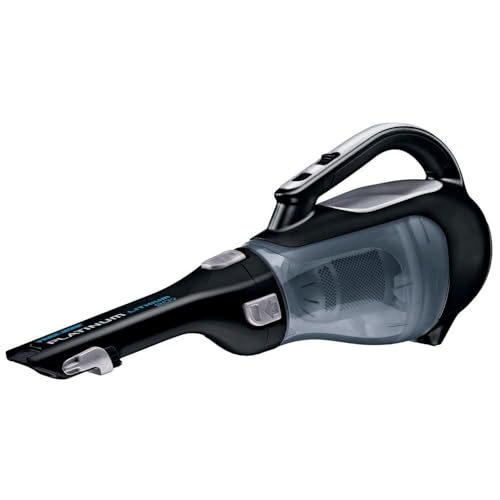
For quick incidental cleanups across living spaces, keeping compact handheld vacuums for quick cleanups nearby handles sudden spills and table crumbs effortlessly. However, deep-cleaning an entire mattress, box spring, and fabric headboard requires sustained runtimes that challenge small rechargeable batteries. A corded configuration ensures steady 650-watt extraction power from the first corner of the bed to the last.
Maneuverability remains comfortable when using specialized handheld designs with balanced ergonomics. Weighing substantially less than full-sized upright vacuums, dedicated bed cleaners glide flat across horizontal mattresses without straining wrists. Wide suction inlets cover substantial square footage per stroke, reducing the overall time required to service multiple bedrooms during weekly linen changes.
Whole-Home Fabric and Hard Surface Integration
Managing microscopic allergens requires extending cleaning routines beyond the mattress perimeter. Dust mites migrate onto plush velvet chairs, heavy fabric draperies, decorative floor cushions, and upholstered headboards. Utilizing versatile upholstery tools on living room furniture ensures allergen reservoirs do not spread unchecked from one relaxation space to another.
Hard flooring environments also play an important supporting role in controlling airborne indoor allergens. When sweeping or vacuuming hard surfaces, using sealed vacuum mop combos for hard floors traps settled bedroom dust directly into liquid rather than throwing dry particles back into the air. Eliminating floor dust keeps bedroom circulation clean between deeper mattress extractions.
Washing removable mattress protectors, sheets, and pillowcases in water heated to at least 130 degrees Fahrenheit kills live mites and dissolves residual allergen proteins. Encasing pillows and mattresses in zippered allergen-barrier covers after deep vacuuming establishes an impenetrable physical shield. This layered strategy prevents newly shed skin cells from penetrating core cushioning while starving any remaining deep-seated pests.
Addressing %what is best for dust mites% ultimately depends on adopting a consistent, multi-pronged cleaning strategy rather than relying on a single shortcut. Pairing high-frequency agitation and HEPA-filtered vacuuming with controlled heat, protective encasements, and proper indoor humidity yields long-term allergen relief. Regular care keeps fabrics fresh, protects mattress investments, and maintains a healthier, more restful indoor environment.




Write Your Review
No reviews yet. Be the first to share your experience!