


Targeting Embedded Particles in Everyday Bedding
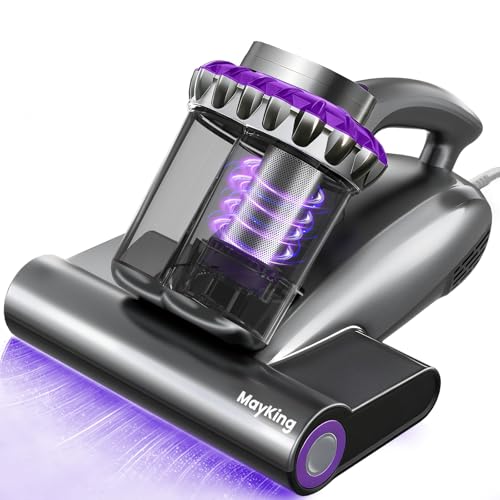
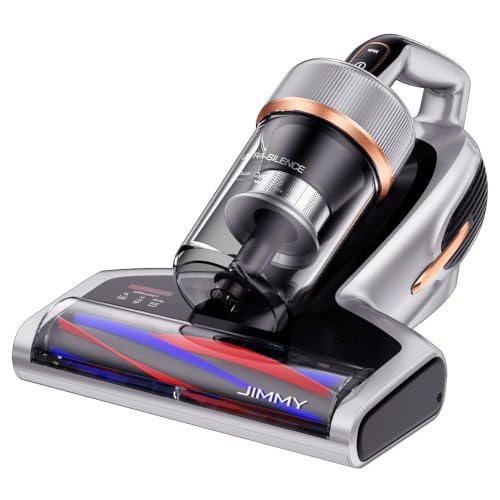
Mattress fabric and upholstery trap enormous amounts of microscopic debris, skin flakes, and fine grit that regular household vacuums leave behind. Standard floor nozzles lack the specialized vibration needed to agitate dense mattress layers, meaning surface suction alone rarely dislodges settled matter. Evaluating the best mattress vacuum cleaner for dust mites requires examining appliances equipped with high-frequency tapping rollers, focused suction inlets, and multi-stage filtration. While compact tools like a small vacuum for rugs handle everyday loose floor fibers, dedicated mattress cleaners focus on dense bedding where particles settle deep into underlying batting.
To help you compare the leading options, this guide assesses models based on manufacturer specifications, motor wattage, stated suction levels in kilopascals, and built-in heat or light technologies. Handheld mattress vacuums often combine mechanical tapping with sealed HEPA filtration and integrated safety sensors to keep fine matter contained without scattering dust back into bedroom air. Analyzing these listed features allows you to balance practical factors like cord length, dust cup maintenance, and specialized heating elements without relying on unverified claims.




Frequently Asked Questions
How does a mattress vacuum cleaner differ from a standard vacuum?
Dedicated mattress cleaners combine high-frequency tapping with suction and surface treatments to dislodge debris trapped deep within fabric layers. Unlike an upright floor model or a cordless vacuum for steps, mattress units feature specialized rollers delivering tens of thousands of vibrations per minute. The listed models also integrate heated air vents up to 149°F and safety-switched UV-C lamps to treat fabric surfaces while suction pulls loosened particles into sealed filtration cups.
What role does high-frequency tapping play when cleaning a mattress?
Mechanical tapping vibrates the fabric to release deeply embedded dust and skin flakes that suction alone cannot lift. Models in this category specify vibrating rollers operating between 30,000 and 40,000 taps per minute. This rapid physical agitation loosens particles lodged inside thick mattress quilting so the 13kPa to 18kPa motor suction can sweep them into the collection bin.
How do UV-C safety sensors work on these handheld bed vacuums?
Most units use gravity-sensing contact rollers that only activate the UV-C bulb when the base is pressed flat against a cleaning surface. The manufacturer specifications note that if you lift, angle, or tilt the machine, the light shuts off instantly to prevent direct exposure. This mechanical safety design ensures the 253.7nm to 275nm light operates strictly on the bedding fabric during active passes.
Why do several models feature dual dust cup designs?
Dual-cup filtration separates larger debris and hair into an initial cyclone chamber before fine particles reach the main filter. This layout prevents immediate filter clogging, which helps maintain steady airflow and consistent suction across king or queen mattresses. Washable HEPA or MIF filters capture microparticles down to 0.3 microns, and separating coarse matter makes regular bin maintenance faster and cleaner.
Can a mattress vacuum cleaner replace a wet carpet extractor for pet stains?
No, mattress vacuum cleaners are dry-only appliances designed for dry dust, dander, and fine debris rather than liquid extraction. If your upholstery suffers from liquid spills or deep pet stains, using a dedicated machine like the best carpet cleaner machines for pets is the appropriate choice. Running dry handheld mattress vacuums over wet surfaces can ruin the internal motor and clog the micro-filtration system.
What maintenance is required to keep the best mattress vacuum cleaner for dust mites working well in 2026?
Routine maintenance involves emptying the dual dust canisters after every major cleaning and washing the reusable filters according to manufacturer guidelines. Brands like JIGOO and Teant recommend allowing filters to dry completely before reinstallation to prevent motor strain. Inspecting the brush roller for tangled threads and wiping the optical dust sensors ensures the automated cleanliness displays continue reading fabric surfaces accurately.


Write Your Review
No reviews yet. Be the first to share your experience!