


Pet owners constantly battle stubborn fur on upholstery, hard surfaces, and vehicle interiors. While traditional upright and stick models often choke on thick clumps of fur, many homeowners wonder if are shop vacs good for dog hair during heavy shedding cycles. Utility wet and dry vacuums feature wide hoses and straightforward airflow channels that rarely clog on dense mats of shedding fur. However, their raw air volume does not always translate into effortless cleaning on every household surface, especially woven rugs that trap fine undercoats.
Standard utility designs excel at pulling loose fur from smooth garage floors, car seats, and baseboards without burning out delicate belts. At the same time, households dealing with muddy paws and embedded messes often compare utility drums against dedicated pet stain vacuums designed specifically for fabric care. Understanding how filtration, nozzle attachments, and motor agitation affect pet debris helps clarify when a heavy-duty drum belongs inside the living room. Choosing the right configuration ensures that loose fur is contained safely without redistributing fine dander throughout the house.


Evaluating Wet and Dry Shop Vacuums for Household Dog Hair
The short answer is that wet and dry utility vacuums are outstanding for bulk pet hair cleanups, but they cannot completely replace standard carpet machines. Shop vacuums provide exceptional suction volume and open air pathways that swallow massive fur clumps without choking. However, their standard smooth utility floor nozzles lack the mechanical brush agitation needed to pull clinging hair from woven carpet strands. Assessing whether a shop vacuum suits your routine requires balancing raw debris capacity against practical filtration and surface-specific tools.
Suction Dynamics and Wide Airflow Paths
Hose diameter plays a central role in how easily a vacuum handles pet hair. Household stick and upright vacuums frequently use narrow internal ductwork measuring under an inch and a half in diameter. Dog fur bundles into felt-like wads as it travels through tight bends, quickly choking narrow pathways and causing suction loss. Utility vacuums utilize wider hoses, typically ranging from one and a quarter inches up to two and a half inches, allowing dense hair balls to shoot directly into the holding tank.
Motor engineering in shop vacs prioritizes raw cubic feet per minute, commonly known as CFM, rather than pure sealed suction. High airflow velocity sweeps loose fur across smooth surfaces from several inches away, reducing the need for repeated passes. This massive air movement pulls shedding coats out from underneath low cabinets, heavy furniture, and workshop benches where standard cleaner heads cannot reach. Because the motor sits above a large collection drum, debris drops straight into the bucket rather than packing into a cramped internal cyclonic chamber.
The Critical Role of Filtration and Dander Capture
Basic utility vacuum filters can present a significant drawback for pet owners if used without proper upgrades. Standard shop vacs often ship with coarse pleated paper filters or simple foam sleeves intended for sawdust and wood chips. These coarse filters easily allow microscopic pet dander, dried saliva flakes, and dust mite debris to blow straight through the exhaust port back into your living space. If you run a basic utility vacuum indoors without fine particle filtration, you risk triggering seasonal allergies and leaving a dusty haze in the room.
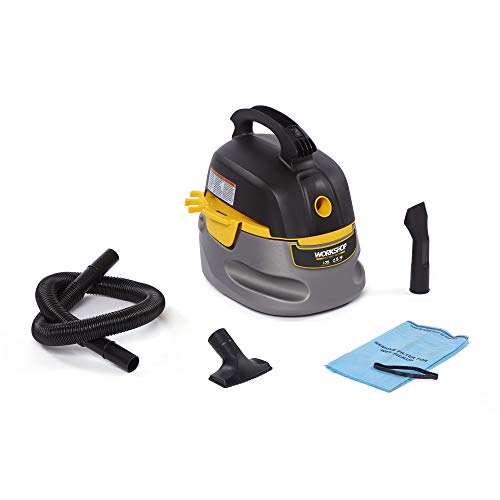
Adding dedicated collection bags transforms a utility drum into a much cleaner indoor tool. For example, compact models like the WORKSHOP Wet/Dry Vacs WS0255VA 2.5-Gallon 1.75 unit are compatible with WS01025F and WS01025F2 filter bags that capture finer dry debris. Enclosing dog hair and dander within a sealed multi-layer paper bag keeps the interior drum clean and protects the motor from fine dust accumulation. It also prevents the unpleasant dust cloud that typically happens when dumping a loose bucket of hair directly into an outdoor trash can.
Specialized pet vacuums take filtration even further by integrating true high-efficiency particulate air systems. The Viewmax Pet Hair Vacuum, Handheld Vacuum Cordless features a washable HEPA filter specified to capture ninety-nine point ninety-seven percent of fine particles down to zero point three microns. Handheld designs with dedicated HEPA systems trap microscopic dander that utility foam filters miss entirely. Matching your vacuum choice to the sensitivity of household members ensures that gathering shedding fur does not degrade indoor air quality.
The Agitation Dilemma on Carpets and Area Rugs
Carpets present the most difficult challenge for any shop vacuum dealing with pet hair. Dog hair possesses tiny microscopic barbs along each strand that intertwine with carpet fibers, creating a stubborn mechanical bond. Pure suction alone, no matter how powerful the motor rating, rarely pulls embedded undercoat hair out of medium or high-pile carpeting. Without a motorized spinning brush to sweep and beat the rug fibers open, a flat utility nozzle simply glides over the surface while leaving deep hair trapped underneath.
This limitation explains why many homeowners maintain both a utility machine and dedicated residential carpet equipment. Comparing utility setups against standard home cleaning vacuums shows that upright cleaners rely heavily on motorized roller bars to extract deeply embedded debris. A utility vac nozzle creates a tight suction seal against the rug backing, often making the wand difficult to push without actually lifting the fur. For heavy carpeted areas, a shop vac acts best as a spot-cleanup tool for top debris rather than a complete deep-cleaning replacement.
Homeowners can bridge this gap somewhat by acquiring specialty pet attachments for their utility hoses. Rubber squeegee nozzles, claw-style car detailing tools, and air-driven turbine brushes can dramatically improve fur pickup on low-pile rugs. Rubber blades create friction against fabric, rolling stubborn hair into manageable clumps that the wide hose opening can swallow. While this requires manual elbow grease compared to a motorized upright, it allows a shop vacuum to tackle entryway mats and utility carpets effectively.
Performance on Hard Floors and Unfinished Surfaces
Hard surfaces are where utility vacuums demonstrate their greatest cleaning strengths against pet hair. Hardwood, vinyl plank, tile, and polished concrete allow shedding coats to gather in loose drifts without fiber entanglement. Upright vacuums with spinning brushes often fling these hair tumbleweeds across the room before the intake port can capture them. A shop vacuum floor tool glides smoothly over hard floors, drawing in massive fur clumps through sheer air velocity without scattering debris.
Mudrooms, garages, and covered porches benefit especially from this robust pickup design. Dogs often track in coarse outdoor grit, dried mud chunks, and stray leaves alongside their natural shedding coat. Household stick vacuums can suffer scratched clear plastics and jammed brush bearings when exposed to sharp gravel and damp debris. A durable utility vacuum handles wet outdoor soil and matted dog fur simultaneously without damaging delicate internal mechanisms.
Cleaning Vehicles, Furniture, and Awkward Crevices
Vehicle interiors represent one of the most frustrating battlegrounds for dog owners. Automotive carpet and trunk lining use coarse, non-woven felt designed to resist heavy wear, which tenaciously locks onto pet hair. The rugged build of a shop vacuum makes it ideal for outdoor driveway detailing where dragging a delicate indoor vacuum across asphalt could scuff plastic components. Sturdy polyethylene drums can sit in the driveway or footwell while providing continuous power for extensive hair extraction sessions.

Compact utility vacuums are engineered specifically with vehicle maintenance in mind. The WORKSHOP Wet/Dry Vacs WS0255VA 2.5-Gallon 1.75 unit includes a dedicated car nozzle, a utility nozzle, and a four-foot friction fit hose tailored for tight cabin spaces. Its ten-foot power cord and stable flat-bottom shape prevent annoying tip-overs when reaching across back seats. Combining a tapered car nozzle with the vacuum’s blowing port lets users dislodge hair wedged between seat rails before vacuuming it away.
For quick cleanups on living room sofas or decorative bedding, lugging a corded utility tank indoors can feel cumbersome. Many pet owners pair their heavy-duty utility gear with lightweight tools like handheld vacuums for mattress fabrics to manage everyday fur deposits on delicate cushions. The Viewmax Pet Hair Vacuum weighs just one point nine pounds and delivers up to thirty-five minutes of cordless runtime on a single charge. Its included electric brush roll provides the mechanical agitation needed to lift clinging fur from upholstery without dragging a full hose assembly across the furniture.
Managing Wet Debris, Spills, and Canine Messes
A major justification for choosing a shop vacuum over a standard dry cleaner is its ability to ingest liquids. Dogs frequently introduce wet messes into the home, ranging from tipped water bowls and wet paw puddles to muddy entryway soil and sickness. Pulling liquid through an ordinary household vacuum ruins the dry paper filter, shorts out electrical motors, and encourages internal mold growth. A wet and dry vacuum bypasses these hazards completely by isolating electrical components away from the liquid recovery drum.
Operating a utility vacuum in wet mode requires following specific manufacturer preparation steps. You must remove any dry paper collection bags and fine dust cartridges before drawing wet pet messes into the drum. Installing a dedicated foam filter sleeve prevents wet debris from splashing up into the motor impeller. Always remember that stated drum capacities, such as two and a half gallons, reflect total drum volume rather than usable liquid capacity, so empty the tank promptly before liquid reaches the safety float shutoff.
Small-scale wet messes can also be handled by specialized dual-purpose handhelds without pulling out a full utility drum. The Viewmax Pet Hair Vacuum incorporates a dedicated one hundred fifty milliliter liquid compartment alongside its four hundred milliliter dry dustbin. Equipped with its specialized liquid nozzle, it handles modest wet spills and pet water drips quickly before switching back to dry hair pickup. Having distinct wet recovery capability prevents households from ruining dry-only household appliances when unexpected pet accidents occur.
Preventing Motor Clogs and Brush Roll Stalls
Hair wrapping is a notorious failure point in traditional vacuum designs equipped with revolving brush bars. Long canine guard hairs wrap tightly around the roller cylinder and work their way into end-cap bearings. Over time, friction melts plastic housings, snaps rubber drive belts, and forces the motor to overheat under load. Straight-suction utility vacuums eliminate this problem entirely by removing revolving rollers from the primary airflow path, allowing fur to glide cleanly from nozzle to drum.
When using motorized attachments for pet hair, intelligent overload protection becomes essential. The Viewmax Pet Hair Vacuum features a built-in protective cutoff mechanism on its electric brush attachment. If dense hair buildup jams the roller during deep carpet or upholstery grooming, the motor automatically shuts off power to prevent electrical damage. Clearing the tangled fur from the brush bar resets the mechanism, allowing the user to resume cleaning safely without permanent motor failure.
Even straight-suction utility hoses require occasional monitoring when processing extreme shedding volume. Large clumps of wet hair mixed with household debris can snag on internal hose ridges or narrow friction-fit adapter collars. If you notice a sudden drop in pickup velocity or a high-pitched motor whine, inspect the hose by shining a flashlight through the tube. Disconnecting the hose and using a broom handle or the unit’s integrated blowing port usually clears stubborn fur plugs in seconds.
Maintenance, Drum Care, and Odor Management
Pet hair collection requires strict sanitation habits to prevent the development of persistent foul odors. Dog hair carries natural skin oils, moisture, and bacteria that multiply rapidly in dark, enclosed plastic containers. If you leave a canister full of damp fur sitting in a warm garage or closet for several days, the entire vacuum will emit an overwhelming wet dog smell every time you switch on the motor. Emptying the collection container immediately after cleaning sessions is the simplest way to maintain clean operation.
Plastic holding tanks should be rinsed out periodically with warm water and mild dish detergent. Smooth plastic drums, such as the flat-bottom tank on the WORKSHOP WS0255VA, wash out easily with a garden hose outdoors. Washable filters require gentle rinsing under low water pressure to dislodge embedded dander without tearing the pleated medium. Always allow paper cartridges and foam sleeves to dry completely for at least twenty-four hours before reinstalling them, as damp filters invite mildew growth and choke motor airflow.
Consumable management ensures consistent suction performance throughout your pet’s shedding seasons. Keep extra compatible filter bags, such as the WORKSHOP WS01025F replacements, on hand so you can swap out loaded bags without delay. Handheld models with washable HEPA elements, like the Viewmax system, benefit from regular cleaning using the included maintenance brush. Checking hose gaskets, ensuring snug friction fits, and replacing worn utility nozzles keeps the suction path sealed tightly for maximum debris extraction.
Choosing the Right Setup for Your Pet Care Routine
Determining whether a shop vacuum suits your household depends on your flooring distribution and primary cleaning frustrations. If your home features predominantly hard flooring, leather furniture, and active outdoor dogs that track in heavy soil, a compact shop vac offers unbeatable durability and clog resistance. It effortlessly tackles bulk fur drifts, vehicle interiors, and messy mudrooms that would overwhelm fragile residential stick vacuums. However, households with wall-to-wall carpeting still require a dedicated upright vacuum with a motorized brush roll to dislodge embedded undercoats.
Many pet owners achieve the best results by using a two-tier cleaning strategy. A compact utility drum, such as the WORKSHOP Wet/Dry Vacs WS0255VA, manages heavy seasonal shedding, vehicle detailing, and messy wet spills in high-traffic zones. Meanwhile, an agile cordless tool like the Viewmax Pet Hair Vacuum handles daily spot cleaning on sofas, stairs, and pet beds without the hassle of unwinding power cords. Pairing heavy-duty utility capacity with focused motorized agitation creates a versatile system capable of managing any pet hair challenge.
Before purchasing equipment, verify that your chosen utility model supports fine-dust collection bags or high-efficiency cartridge upgrades. Check the available hose diameter to ensure it accepts standard pet grooming or claw car nozzles, and inspect your home layout to determine whether cord length or cordless battery portability fits your routine. By selecting appropriate filtration and matching the vacuum mechanism to your specific surfaces, you can keep shedding under control while protecting your home’s air quality.


Write Your Review
No reviews yet. Be the first to share your experience!