


Homeowners frequently encounter stubborn household debris that standard domestic uprights struggle to collect, ranging from renovation plaster to saturated mud tracked across entryway rugs. When facing significant dirt or unexpected liquid spills, asking whether are shop vacs good for carpet becomes an important practical question before investing in bulky machinery. While utility wet and dry machines provide formidable raw suction and large drum capacity, carpet fibers require specialized mechanical agitation to dislodge deep soil. Readers addressing difficult household spots often evaluate whether a dedicated carpet extractor for home use or a general utility drum provides the most sensible approach.
Utility wet and dry vacuums rely on wide-bore hoses and high-volume airflow instead of motorized spinning brush rollers. This mechanical distinction means that while a rugged drum vacuum handles flooded basements, broken glass, and coarse gravel effortlessly, it behaves very differently from an upright cleaner on standard residential pile. Assessing motor horsepower, dust filtration levels, and specialized nozzle attachments clarifies where these workshop tools excel and where standard floorheads remain necessary. Reviewing these mechanical factors allows you to preserve your floor coverings while choosing the right tool for tough household cleaning jobs.

Pros
- Includes three adapter sizes to connect with nearly any mini, medium, or large wet/dry shop vacuum
- Clear transparent extraction nozzle lets you see dirty fluid recovery as you work
- Sturdy stainless steel wand construction resists cracking under high vacuum suction pressure
- Non-threaded adapter design prevents wear and tear on your vacuum's original hose cuffs
Cons
- Does not include an integrated solution spray nozzle, requiring you to apply cleaning fluid manually with a spray bottle
- Compact 3-1/2-inch nozzle width is designed for spot extraction and vehicle cabins rather than large open carpet areas
- Extraction suction performance depends entirely on the motor power and seal of your existing shop vacuum
The Happy Tree Universal Wet Extraction Kit is an add-on accessory designed to transform standard residential and commercial wet/dry shop vacuums into functional extraction tools. For car detailers, pet owners, and budget-conscious homeowners, dedicated carpet shampoo machines and commercial extractors can be expensive and cumbersome to store. This kit bypasses that barrier by leveraging the high-airflow suction of shop vacuums that many households already keep in their garage or workshop.
In practical use, this tool functions as a wet extraction wand for targeted stain treatment and liquid recovery. While standard wet/dry vacuums come with broad utility nozzles that can spread moisture around, this tool focuses suction through a compact 3-1/2-inch head. After you pretreat a surface with your preferred automotive or carpet cleaning solution, gliding the transparent nozzle across the fabric pulls extracted liquid, soil, and mud out of vehicle seats, floor mats, carpeted stairs, and upholstered furniture. The clear head design provides visual feedback, allowing you to see dirty water flowing through the wand and gauge when the fabric is clean and mostly dry.
Hardware quality centers around a rigid 1-1/2-inch stainless steel tube paired with a clear, impact-resistant plastic head. The stainless steel wand resists bending, cracking, and surface scratching even when leaning into stubborn vehicle carpet stains or heavy automotive dirt. Because the main tube uses standard 1-1/2-inch vacuum pipe sizing, it can also mate directly with truck-mount systems and professional portable carpet extractors if you decide to upgrade equipment later.
Setup is straightforward thanks to three patented, threadless adapters measuring 1-1/4 inches, 1-7/8 inches, and 2-1/2 inches. Unlike some DIY extraction modifications that require cutting factory hoses or taping adapters together, these fittings slide securely over the original hose cuff or onto a rigid extension wand. This threadless friction-fit preserves your factory hose ends, allowing you to quickly switch back to normal workshop vacuuming tasks without damaging your primary vacuum accessories.
Realistic limitations must be kept in mind before purchase. This accessory does not include a fluid injection line, pump, or spray trigger. To extract effectively, you must manually apply your cleaning solution and water using a pump sprayer or trigger bottle before pulling the liquid out with this wand. Additionally, because the cleaning path is only 3-1/2 inches wide, using it to clean wall-to-wall residential carpeting would prove tedious, as it is engineered specifically for spot cleaning, vehicle interiors, and upholstery.
For DIY car detailers, vehicle hobbyists, and pet owners looking to tackle spilled liquids, seat stains, and dirty footwells, the Happy Tree Extractor Attachment Kit offers exceptional practical utility. By converting an everyday garage shop vacuum into a dirt-recovering extraction wand, it delivers dedicated spot-cleaning capability at a fraction of the cost of a standalone extraction machine.
The Happy Tree extractor kit features a multi-tiered adapter system engineered to fit wet/dry utility vacuums ranging from compact 1-gallon portable units up to heavy-duty 20-gallon shop drums. The package includes three separate friction-fit adapters sized at 1-1/4 inches, 1-7/8 inches, and 2-1/2 inches, accommodating the most widely used utility hose sizes found in home workshops and garages.
Manufacturer compatibility covers major utility vacuum brands including RIDGID, DeWalt, Vacmaster, Armor All, Hart, and Kärcher. The 1-1/4-inch and 1-7/8-inch fittings cater to compact and mid-size vacuums, while also matching select larger units such as the Stanley SL18701P-10A 10-gallon model. The 2-1/2-inch adapter provides an airtight interface for large-diameter hoses on 10-to-20-gallon models like the Craftsman CMXEVBE17656.
The central vacuum wand utilizes standard 1-1/2-inch exterior tubing, making the core nozzle assembly directly compatible with commercial truck mounts and portable carpet extractors. This broad compatibility profile ensures users can maintain their vacuum's original hose cuffs without cutting, heating, or permanently altering their tools.


Evaluating Utility Wet and Dry Vacuums on Carpet Surfaces
Utility wet and dry vacuums provide immense airflow and rugged durability, but determining whether are shop vacs good for carpet requires understanding the difference between raw suction and mechanical fiber agitation. A standard utility vacuum draws air straight through a hollow nozzle without the rotating brush roll found on domestic uprights. Because of this design, utility units lift surface grit and liquids rapidly but struggle to shake loose sand, pet dander, and fine dust trapped at the base of dense residential carpeting. Understanding this distinction helps you deploy utility power effectively without damaging delicate rugs or leaving embedded dirt behind.
Mechanical Differences Between Utility Vacuums and Upright Cleaners
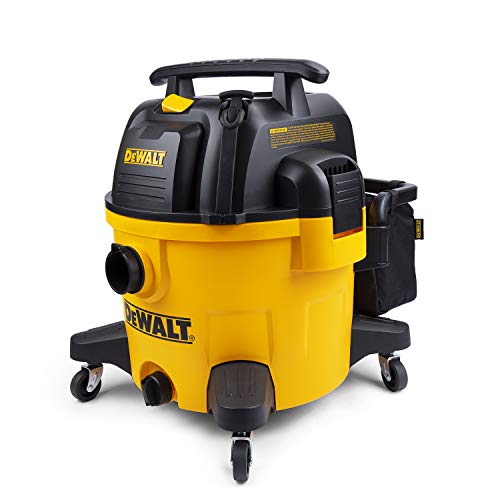
Household upright vacuums rely on motorized agitator bars fitted with stiff bristles to beat carpet strands as they pass over the floor. This rapid mechanical vibration loosens compacted soil, sending debris airborne so the internal suction channel can pull it into the collection chamber. In contrast, utility machines like the DEWALT 9 Gallon Poly Wet/Dry Vac DXV09P utilize static floor nozzles that simply glide over the pile without vibrating the backing. Without a spinning brush roll, static suction pulls primarily from the top layer of carpet fibers rather than extracting grit settled deep within the yarn.
Airflow volume represents another fundamental engineering difference between these two vacuum categories. Utility vacuums emphasize high cubic feet per minute (CFM) ratings through wider hoses, allowing them to pull bulky items without clogging. A domestic vacuum typically utilizes a narrower internal pathway that concentrates static water-lift pressure directly across a tightly sealed floorhead opening. While high CFM moves loose wood shavings and pooled water quickly, it lacks the focused mechanical sweep needed to untangle stubborn pet hair woven into carpet fibers.
Handling Emergency Water Removal and Heavy Liquid Spills
Liquid extraction represents the single greatest advantage of using a wet and dry machine on household carpet. Standard domestic vacuums must never contact moisture, as water destroys their paper filters and risks electrical failure in unsealed motors. A heavy-duty unit like the DEWALT 9 Gallon Wet/Dry VAC DXV09PA features a moisture-resistant switch, dedicated water bypass channels, and an integrated tank drain to safely pull gallons of saturated fluid from waterlogged carpet pads. Homeowners facing burst pipes, overflowing washing machines, or seasonal basement seepage rely on these drums to prevent mold development.
The extraction process requires systematic passes to draw fluid from both the upper carpet fibers and the dense foam pad underneath. By pressing a rigid utility nozzle firmly against the wet pile, the powerful 5 peak horsepower motor pulls moisture straight through the backing into the drum. While standard pet stain vacuum cleaners handle minor accidental spots, a large-capacity utility drum provides the continuous recovery volume necessary to mitigate severe indoor flooding. Emptying the tank via the lower drain port allows for rapid continuous operation during emergency restoration tasks.
Limitations During Everyday Residential Carpet Care
Relying exclusively on a utility machine for regular carpet maintenance exposes noticeable ergonomic and functional drawbacks. Utility wands lack motorized drive wheels or floating floorheads, meaning the plastic nozzle often creates excessive drag against plush fibers. This intense friction makes pushing the wand physically exhausting across larger rooms, often leading users to lift the head and compromise suction consistency. Furthermore, wide utility floor tools do not feature edge-cleaning side channels, leaving dirt along baseboards untouched unless you switch manually to a narrow crevice tool.
Static electricity build-up also presents an annoying challenge when operating utility equipment across synthetic carpets. As dry plastic nozzles rub continuously against nylon or polyester fibers, substantial electrical charges accumulate along the wand. Without specialized anti-static grounding built into the hose, operators may experience minor static shocks while vacuuming dry rooms during winter months. Domestic vacuums generally incorporate grounded internal pathways and rubberized bumper strips that prevent static discharge while protecting adjacent furniture legs from scuffs.
Adapting a Wet/Dry Vacuum for Carpet Spot Extraction
Homeowners can bridge the gap between utility machines and dedicated carpet extractors by utilizing aftermarket accessory kits. The Happy Tree Universal Fit All Existing Shop Vacs attachment converts standard wet and dry machines into effective spot extractors using durable adapters ranging from 1-1/4 inches to 2-1/2 inches. This setup pairs an unbreakable transparent shampoo nozzle and stainless steel tubing with your vacuum hose, allowing you to monitor dirty water extraction in real time. By applying carpet shampoo manually with a spray bottle and vacuuming the solution through the clear head, you achieve deep cleaning results without purchasing dedicated shampooing machinery.
This conversion method proves especially practical for automotive floor mats, carpeted stairs, and isolated living room stains. The clear extraction head focuses the motor suction into a narrow, high-velocity intake slit that pulls moisture deep out of the fabric backing. Unlike automated extraction machines that inject water continuously, manual pre-spraying gives the cleaning chemical adequate dwell time to break down stubborn grease before you extract it. For homeowners who already store a utility drum in the garage, adding an extractor wand provides substantial cleaning versatility at minimal additional storage footprint.
Filtration Setup and Preventing Secondary Dust Blowback
Filtration configuration is critical when using utility cleaners inside living spaces. Standard utility vacuums often ship with coarse paper or single-stage cloth filters designed primarily for coarse wood chips and workshop debris. Running a coarse filter over dry carpeting can disperse microscopic dust, pollen, and pulverized drywall particles directly into the room exhaust air. To prevent secondary indoor air contamination, operators must install high-efficiency cartridge filters or insert disposable dust bags inside the collection drum before vacuuming dry carpeted rooms.

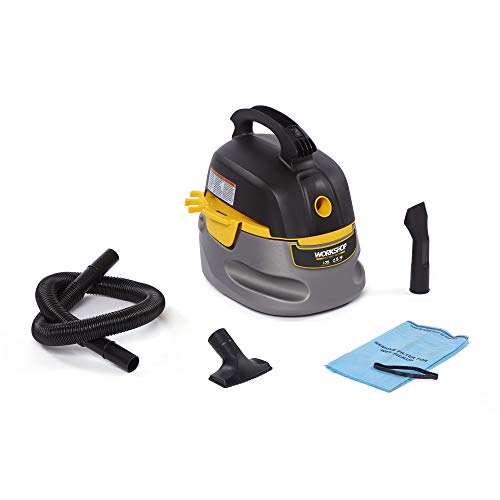
Units such as the WORKSHOP Wet/Dry Vacs WS0255VA 2.5-Gallon utilize compatible filter bags secured by retaining bands to capture fine particulate matter before it reaches the exhaust port. Similarly, larger platforms like the DEWALT Shop Vac 16Gallon STEALTHSONIC Ultra Quiet include washable cartridge filters paired with disposable dust collection bags to seal away fine grime. Always remember to remove paper bags and dry cartridge filters entirely before switching to liquid extraction tasks, as saturated paper elements collapse quickly under motor vacuum pressure.
Carpet Pile Height and Surface Compatibility
The physical structure of your carpet dictates how effectively a utility vacuum performs. Low-pile industrial carpets, looped commercial carpeting, and ribbed automotive floor mats respond very well to utility nozzles. Because commercial carpet features short, dense loops with minimal cushioning, static utility suction glides smoothly across the top plane without sinking. Loose sand, coarse salt, and construction gravel rest directly on the surface of low-pile weaves, allowing high-CFM airflow to sweep the floor clean in single passes.
Plush, medium-pile, and high-pile residential carpets present a much greater challenge for utility attachments. Long yarn strands tend to collapse inward under the vacuum mouth, creating an airtight seal that locks the nozzle to the floor and prevents necessary airflow. Dragging rigid utility plastic over delicate plush carpets can also cause fiber fraying, commonly known as carpet fuzzing, along high-traffic paths. For homes with varied flooring surfaces, alternating between utility gear and specialized hard floor cleaner and vacuum combos ensures each material receives proper care without premature fiber degradation.
Airflow, Suction Power, and Motor Horsepower Ratings
Evaluating utility vacuum capability requires looking closely at manufacturer power metrics. Motor ratings range from compact 1.75 peak horsepower models up to heavy-duty 6.5 peak horsepower motors. A compact portable model like the WORKSHOP Wet/Dry Vacs WS0255VA provides sufficient lift for targeted car floor mats and quick spot pickups while maintaining a stable flat-bottom stance. However, larger cleaning tasks demand substantial airflow volume to move heavy debris across extended hose lengths without stalling.
Higher-tier models like the DEWALT Shop Vac 16Gallon STEALTHSONIC deliver 135 CFM of airflow, creating aggressive draft speed that pulls debris out of low-pile textures rapidly. Manufacturer horsepower ratings reflect peak theoretical motor output rather than continuous operational wattage, so airflow volume and sealed water-lift remain better indicators of real-world pickup strength. Pairing robust CFM with appropriately sized hose diameters prevents airflow choke points, ensuring gravel and thick liquid move steadily into the recovery drum.
Floor Nozzle Selection and Protecting Delicate Fibers
Using the correct attachment determines whether cleaning carpet with a utility vacuum succeeds or causes frustration. Standard wide utility floor heads frequently feature squeegee strips or coarse plastic teeth designed for garage slabs. If dragged across delicate looped Berber or woven rugs, rough plastic edges can snag loose loops and cause irreversible carpet runs. Operators should inspect nozzle undersides carefully and select floor tools equipped with smooth glides, soft squeegee blades, or horsehair brush strips when working over finished rugs.
Narrower attachments often yield superior cleaning results compared to broad floor sweeps when managing deep-pile rugs. Car nozzles and narrow utility tools concentrate motor suction over a smaller square-inch opening, significantly increasing localized lift pressure. Moving a car nozzle in overlapping forward-and-back strokes allows you to pull stubborn sand out of carpet crevices that wide floorheads pass over completely. While cleaning an entire room with a compact nozzle takes extra time, it delivers the concentrated airflow necessary to dislodge stubborn debris without a motorized brush roll.
Safe Operating Steps for Extracting Soaked Carpet
Extracting water from soaked carpeting requires a clear operational sequence to safeguard both the equipment and the floor. Before plugging the unit into a grounded outlet, disconnect the dry paper cartridge and discard any paper dust bags installed inside the canister. Insert a dedicated foam filter sleeve over the internal motor cage to prevent airborne water droplets and foam from entering the motor fan chamber. Check that the drum drain plug, featured on models like the DEWALT 9 Gallon Poly Wet/Dry Vac DXV09PZ, is tightly capped before beginning work.
Position the vacuum outside the wet area and extend the hose forward to maintain a dry, secure footing. Lower the utility nozzle onto the carpet surface, applying gentle downward pressure to compress the wet pad beneath the yarn. Pull the wand slowly toward yourself in straight lines, allowing the high-velocity suction to draw out deep liquid before advancing to the next row. Empty the recovery tank frequently before the internal safety float ball rises to shut off airflow, ensuring consistent suction performance throughout the restoration project.
Noise Levels, Drum Capacity, and Maneuverability Factors
Operating a utility cleaner inside living quarters introduces distinct physical considerations that differ from workshop environments. Traditional utility motors produce high-pitched motor whine that echoes off residential walls, making extended carpet cleaning uncomfortable without hearing protection. Newer designs address this issue through engineered sound dampening; for instance, the DEWALT DXV16P-QTA incorporates noise reduction technology that operates significantly quieter than older utility designs. Selecting a reduced-noise unit makes indoor residential tasks far more manageable for households with pets and family members.
Canister size and caster design also influence how easily you navigate across carpeted rooms. Small 2.5-gallon units carry easily by an ergonomic handle, making them agile choices for carpeted stairs and vehicle interiors. Conversely, large 9-gallon to 16-gallon drums become very heavy once partially filled with water, requiring durable rubberized casters to roll smoothly over thick carpet pile without tipping over. Assessing whether your primary cleaning tasks involve small localized spots or vast liquid emergencies dictates whether a compact hand-carry model or a high-capacity mobile drum serves your home best.
Determining the Best Cleaning Strategy for Your Floors
Deciding when to utilize a utility vacuum depends directly on the nature of the mess and the type of flooring involved. For routine weekly dust removal, pet hair cleanup, and whole-house grooming of medium-to-high pile carpets, an upright vacuum equipped with an active brush roll remains the correct primary tool. The utility vacuum serves best as a specialized heavy-duty companion, stepping in when sharp objects, renovation grit, or water emergencies threaten to ruin domestic cleaning appliances. Equipping your utility cleaner with high-efficiency bags and extractor heads ensures you maximize its versatility across both garage floors and residential floor coverings.


Write Your Review
No reviews yet. Be the first to share your experience!