


A sudden plumbing leak, an overflowing washing machine, or a flooded basement corner can quickly overwhelm standard household cleaning tools. While standard uprights and canisters are strictly limited to dry dust and dry grit, homeowners frequently wonder whether can a wet dry vac pick up water without ruining the motor or causing electrical hazards. The short answer is yes, but picking up liquids safely requires specific preparation, the right internal configuration, and proper accessories. Understanding how utility vacuums handle moisture ensures you avoid ruined paper filters and messy tank overflows.
Different machines handle moisture in distinct ways, ranging from heavy utility canisters designed for standing water to modern hard floor cleaners and vacuum mop combos built for everyday liquid spills and simultaneous washing. Before switching on any machine around puddles, you must confirm that the unit is engineered for wet extraction and configured with the proper safeguards. Taking a few moments to inspect the collection drum, check the internal float mechanism, and swap delicate dry filters for wet foam sleeves prevents motor damage and makes liquid cleanup straightforward.

Pros
- Dual wet and dry pickup capabilities combined with an easy blower conversion function.
- Extensive 13-piece accessory kit specifically adapted for car detailing and tight crevices.
- Lightweight 10.99-pound construction with rolling casters and a balanced top handle for mobility.
Cons
- The 2.5-gallon tank capacity requires frequent emptying during larger liquid or workshop cleanups.
- The 12-foot power cord may require an extension cord when cleaning outside or away from wall outlets.
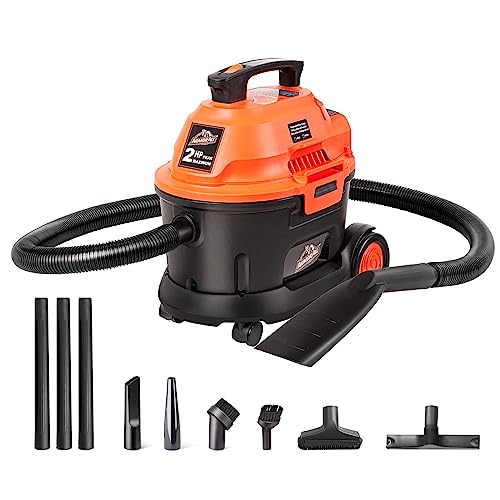
The Armor All AA255W is a portable corded wet/dry utility vacuum engineered primarily for vehicle cleaning, garage maintenance, and small household spill management. Operating on standard AC power, this model suits homeowners, vehicle enthusiasts, and hobbyists who need specialized tools for cleaning floorboards, car seats, workbenches, or localized liquid spills without the bulk of a heavy industrial unit.
According to manufacturer specifications, the vacuum is powered by a 2 peak horsepower motor configured to pull wet debris and dry dirt into its 2.5-gallon durable polypropylene tank. In addition to standard vacuuming, the motor exhaust port converts into a functional blower, which can be used to clear leaves, grass clippings, and loose dust from garage surfaces and vehicle exteriors. Total cleaning reach is defined by the 12-foot electrical cord and a 6-foot by 1-1/4-inch flexible hose, providing adequate coverage around a single vehicle or workbench without requiring constant machine relocation.
Weighing 10.99 pounds and measuring 14.2 by 10.6 by 14.38 inches, the AA255W features a rolling wheel base and a top-mounted carry handle for quick transport. The vacuum comes with a 13-piece accessory setup that includes three extension wands, a crevice tool, a blower nozzle adapter, a deluxe car nozzle, a round dust brush, a detail brush, a 2-in-1 utility nozzle, and a floor brush with an integrated squeegee. Filtration is managed by two distinct elements: a reusable cloth filter intended for general dry vacuuming and a foam sleeve designed specifically for wet liquid recovery.
Daily setup and ongoing storage are simplified by built-in slots that keep the nozzles, wands, hose, and power cord neatly attached to the vacuum body. Routine maintenance involves unclamping the motor head to empty collected dust or liquids from the tank, followed by checking the filtration setup. Users must remember to exchange the reusable cloth filter for the foam filter before collecting liquids, and allow the washable cloth filter to dry fully after routine rinsing to maintain adequate airflow and motor protection.
While practical for tight vehicle interiors and spot cleanups, the AA255W has clear functional boundaries. Its 2.5-gallon tank is not intended for high-volume flooded basement cleanup or whole-house floor cleaning. Additionally, while the 12-foot power cord is manageable around a garage stall, reaching vehicles parked in long driveways or outdoor spaces will require a properly rated extension cord.
For shoppers seeking a dedicated, cost-effective utility cleaner for car interiors, workbench debris, and minor liquid spills, the Armor All AA255W represents a well-equipped, compact choice. Its broad tool assortment and dual wet/dry capability make it particularly appealing for localized garage tasks and everyday vehicle maintenance.
The Armor All AA255W comes equipped with a comprehensive 13-piece tool package tailored for automotive care and precision cleaning tasks. For reaching floors and broader surfaces, the set provides three extension wands alongside a dual-purpose floor brush and squeegee nozzle that handles both solid dirt and standing liquid.
For specialized detailing work, the vacuum includes a deluxe car nozzle, a narrow crevice tool, a round dust brush, a detail brush, and a 2-in-1 utility nozzle for fabric surfaces. A dedicated blower adapter nozzle connects to the exhaust port for blowing out dirt, while the included reusable cloth dry filter and foam wet filter ensure the motor is properly configured for the cleaning task at hand.
Designed to handle both liquid spills and solid workshop debris, the AA255W uses a durable 2.5-gallon polypropylene collection tank driven by a 2 peak HP motor. When collecting dry dirt, shavings, or automotive dust, the machine utilizes its reusable cloth filter. When addressing liquid spills, the cloth filter must be swapped out for the included foam wet filter to protect the motor assembly from moisture.
The integrated blower conversion feature broadens its usefulness in utility environments. By attaching the hose to the rear exhaust port, the vacuum easily redirects high-velocity air through the blower nozzle adapter, making it useful for blowing dust off power tools, clearing sawdust from tabletops, or pushing debris away from car windshield cowls.



Complete Guide to Using a Wet/Dry Vacuum for Liquid Cleanup
A wet/dry utility vacuum is one of the most versatile appliances in any workshop or household, but pulling standing water into an electrical tool requires knowing exactly how the machine functions. If you ask whether can a wet dry vac pick up water, the direct answer is an emphatic yes. However, using the machine incorrectly can destroy standard paper filters, create foul odors, or even trigger electrical hazards. Success comes down to configuring the internal collection system, understanding the protective mechanisms, and matching your equipment to the volume of liquid on the floor.
The Fundamental Principle: How Wet/Dry Vacuums Isolate Liquid
Standard upright and stick vacuums draw intake air directly across or through the electric motor fan to provide cooling. When moisture enters a traditional vacuum motor, water short-circuits the electrical windings and corrodes the internal bearings within seconds. Dedicated wet/dry utility vacuums utilize a bypass motor design where the suction impeller is mechanically separated from the motor cooling fan. The intake air and incoming liquid swirl into a collection bucket, while separate ambient air cools the electrical motor housing above.
Liquid and heavy debris enter the collection drum through an inlet deflector that drives water down along the canister walls. Gravity forces the water and sodden sludge to settle at the bottom of the drum, keeping moisture away from the intake port leading to the motor. Air exits through an elevated intake dome positioned near the top of the canister. This separation allows the machine to pull standing water without allowing liquid to enter the electrical drive components.
Preparing the Filter System for Wet Extraction
Configuring the internal filtration correctly is the single most critical step before vacuuming any liquid. Standard cartridge filters and disposable collection bags are made of pleated paper or non-woven fabric designed strictly for dry dust. If paper filters encounter water, they rapidly saturate, collapse under suction pressure, and dry into a hardened, ruined crust. Removing standard dry paper bags and dry pleated cartridges prevents costly filter destruction and maintains steady airflow.
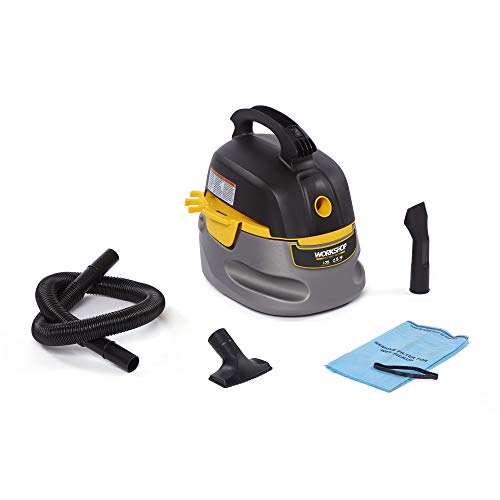
For wet extraction, utility vacuums generally require either a specialized foam sleeve or no filter at all, depending on manufacturer instructions. Compact utility models like the Armor All AA255W 2.5 Gal 2 Peak HP Wet/Dry Utility include a dedicated foam wet filter specifically engineered to slip over the internal filter cage. This porous foam sleeve stops coarse debris from entering the impeller housing while allowing moisture to pass into the tank freely. Disposable paper collection bags, such as the filter bags compatible with the WORKSHOP Wet/Dry Vacs WS0255VA 2.5-Gallon 1.75, must always be removed prior to pulling liquid into the drum.
Always inspect the interior of your vacuum drum before switching it on for wet extraction. If dry drywall dust, pet hair, or wood shavings remain inside the drum, incoming water turns that dry debris into thick, foul-smelling mud. Emptying the dry contents first keeps your wet extraction clean and prevents heavy sludge from clinging to the interior walls. Taking two minutes to swap the filter and empty dry debris protects your equipment and simplifies cleanup afterward.
Understanding the Internal Float Valve and Automatic Shut-Off
Every reliable wet-capable utility canister includes an automatic shut-off mechanism known as a float valve. This assembly consists of a lightweight plastic ball or buoyant cylinder housed inside a protective cage directly below the motor intake port. When the vacuum pulls water into the collection drum, the liquid level gradually rises toward the motor housing. As the water reaches capacity, the buoyant float rises with the liquid surface until it seals tightly against the motor intake opening.
Once the float seals the intake port, the vacuum stops pulling air, which protects the motor from ingesting water. You can immediately identify when the float valve engages by a sudden, high-pitched change in the motor sound accompanied by a total loss of suction at the nozzle. When this happens, shut off the power switch immediately and unplug the power cord from the outlet. Continuing to run the motor with the intake port sealed can cause the bypass motor to overheat from lack of cooling airflow.
Comparing Utility Shop Vacuums and Floor Washer Vacuum Mops
The term wet/dry vacuum encompasses several distinct categories of cleaning machines, and recognizing their differences helps prevent misapplication. Traditional utility shop vacuums feature large single-compartment drums engineered to handle substantial volumes of standing water, plumbing clogs, and coarse construction sludge. These rugged machines excel in basements, garages, and outdoor patios where you need to move gallons of water quickly through a wide-diameter hose. Their high airflow and broad holding drums make them the standard choice for emergency water removal.
Modern residential wet/dry floor cleaners, such as the DREAME Aero Pro Wet Dry Vacuum Mop and the dreame FloorX 110 Plus Wet Dry Mop, operate on a completely different mechanical architecture. These upright cordless appliances utilize dual-tank systems that separate clean washing solution from extracted dirty water. Designed for sealed hard surfaces, they scrub sticky spills, remove pet paw prints, and mop floors in a single pass while continuously managing moisture. Their small dirty-water recovery tanks are meant for everyday household spills rather than pumping gallons out of a flooded basement.
Specialized units like the Shark AquaReach Cordless Vacuum + Mop provide multi-surface reach with extendable wands for bathroom tiles and kitchen spills, while machines like the Sirena Water Filtration Vacuum Cleaner use an internal water basin to trap airborne dust during routine cleaning. While a water-basin canister traps dust in liquid and can handle small spills as outlined in its manual, it is not built to replace a dedicated high-capacity utility shop vac for major plumbing floods. Matching the mess to the appropriate appliance design ensures effective cleaning without overwhelming recovery tanks.
Step-by-Step Procedure for Extracting Water Safely

Preparing the work area before extracting liquid prevents slips, electrical hazards, and equipment tip-overs. Unplug the vacuum cord while checking the drum, and verify that the electrical outlet is positioned away from standing puddles. If you must use an extension cord, ensure it is outdoor-rated and heavy enough for the vacuum amperage rating. Keep electrical connections elevated on dry stools or buckets to prevent contact with migrating water on the floor.
Select the appropriate nozzle attachment based on the surface you are clearing. Wide utility nozzles with integrated rubber squeegee blades work best on flat concrete, vinyl, and tile floors because the rubber blade consolidates shallow liquid film directly under the intake suction slot. For extracting moisture from low-pile rugs or soaked car floorboards, a rigid utility nozzle or clear extraction tool allows firm downward pressure against the damp fibers. Narrow crevice tools work well along wall baseboards, corners, and tight plumbing access panels.
Begin vacuuming by placing the nozzle lightly along the edge of the puddle and pulling the tool toward you in steady strokes. Do not submerge the entire nozzle opening completely under deep water, as leaving a small gap for incoming air helps maintain velocity and carries water smoothly up the hose. Monitor the weight of the collection drum as water accumulates, because water weighs over eight pounds per gallon. Moving a utility drum that is full of liquid can cause tipping, so emptying the tank periodically keeps handling manageable.
Critical Limitations and Substances to Avoid
Although utility vacuums handle water with ease, certain liquids present severe safety and fire risks. Never use any vacuum cleaner to pick up flammable liquids, including gasoline, kerosene, acetone, paint thinners, or motor fuels. The electric motor produces internal electrical arcing at the carbon brushes, which can instantly ignite volatile airborne vapors and cause a violent explosion. Spills involving combustible solvents must always be absorbed with inert chemical spill kits rather than extracted with electric motors.
Hot liquids and active chemical drain cleaners also require strict avoidance. Boiling water can warp plastic collection drums, degrade rubber seals, and soften flexible suction hoses. Corrosive chemicals like lye, bleach, or concentrated sulfuric acid generate toxic fumes under turbulent vacuum airflow and can rapidly etch internal metal impellers. If you are clearing a backed-up sink that contains commercial chemical unclogging solutions, avoid vacuuming the mixture unless you have thoroughly flushed the chemical with fresh water.
Post-Cleanup Maintenance to Prevent Odor and Corrosion
Immediate post-cleanup maintenance is essential once liquid extraction is complete. Leaving standing water, dirty sludge, or wet pet hair inside a closed plastic drum creates a breeding ground for mildew, bacteria, and sour odors within twenty-four hours. Unplug the machine, disconnect the suction hose, and transport the canister to an appropriate outdoor drain, utility sink, or sewer cleanout. Larger utility drums often include a bottom drain plug that allows convenient emptying without lifting heavy water weights.
Rinse the interior of the collection drum thoroughly with fresh water and mild dish soap to remove residue and sediment. If you used a foam wet filter sleeve, slide it off the float cage, wash it gently under running water, and set it aside to air dry completely. Inspect the float valve mechanism to confirm that the float ball moves freely up and down inside its cage without sticking or gathering hair tangles. A sticky float mechanism can fail to engage during future use, creating risk of motor flooding.
Suction hoses also trap dirty liquid inside their interior corrugations, which quickly generates musty odors if left damp. Hang the hose vertically over a shower rod, clothesline, or garage hook so moisture drains completely out of the ribs. Leave the vacuum lid propped open or completely removed from the tank for at least twenty-four hours in a well-ventilated space. Reassembling a damp utility vacuum traps moisture inside the canister, which can rust internal metal components and ruin subsequent dry filters.
Diagnosing Weak Suction During Liquid Cleanup
A sudden loss of suction while vacuuming water usually points to one of several predictable operational issues. The most frequent cause is a premature float valve engagement. If you drag a utility vacuum rapidly across an uneven floor or pull the canister abruptly by the hose, sloshing water can launch the float ball upward against the intake seal even when the drum is only half full. If the motor changes pitch and suction vanishes unexpectedly, switch the unit off, wait five seconds for the float ball to drop, and resume vacuuming smoothly.
Another common cause of weak suction is an air leak along the hose connections or tank latches. Wet vacuuming requires airtight seals to lift heavy liquid columns through the corrugated hose. Check that the hose friction fitting is pushed securely into the canister inlet port and verify that the lid clamps are latched tightly against the drum rim. Inspecting the hose for hairline cracks or blockages caused by leaves, wood chips, or wet paper towels ensures that the machine maintains sufficient negative pressure to lift water.
When to Transition to Specialized Extraction Equipment
While utility shop vacuums excel at collecting surface water from hard flooring and dense mats, deeply saturated carpeting often requires specialized tools. A utility vacuum pulls surface moisture efficiently, but its wide nozzle does not provide the pressurized solution delivery or continuous high-pressure carpet seal required to lift water trapped deep within carpet padding. For carpeted living areas that suffered water intrusion, relying on a dedicated carpet extractor for home use allows you to rinse out dirty residue while lifting water out of the underlying fibers. That specialized setup provides localized deep-cleaning capabilities that generic open-drum vacuums cannot replicate.
Localized organic spills involving pet accidents or food also benefit from targeted cleaning tools rather than generic shop vac drums. While a utility vacuum can pull up spilled liquid, it lacks the targeted spray nozzles and specialized cleaning formulas designed for dedicated pet stain vacuums. Using specialized extraction machines for fabric and upholstery prevents foul organic odors from lingering deep inside seat cushions and carpet backing. Understanding the strengths and limits of your utility vacuum allows you to deploy the right machine for each specific cleaning challenge.
Practical Takeaways for Reliable Liquid Extraction
Mastering wet vacuuming transforms stressful household spills and plumbing emergencies into manageable cleanup tasks. Always remove dry paper filters and bags, equip the appropriate foam sleeve or wet filter, and verify that the float valve cage is clean and responsive. Work methodically to keep air moving alongside water through the suction wand, and empty the drum before it reaches maximum capacity. Cleaning, drying, and airing out the canister and hose immediately after use ensures your machine stays sanitary, odor-free, and ready for whatever mess arises next.







Write Your Review
No reviews yet. Be the first to share your experience!