


Switching on a vacuum cleaner should leave carpeting and hard floors fresh, but unpleasant exhaust air often ruins the cleaning routine. Lingering pet dander, trapped debris, or damp organic matter inside the airflow pathway quickly explain why vacuum cleaner smells when warm motor exhaust pushes odors into living spaces. A sudden pungent scent can signal anything from an overfilled collection bag to friction on a slipping rubber drive belt. Understanding what produces these odors helps homeowners take quick corrective action before minor maintenance issues harm machine performance.
Routine maintenance, such as checking intake passages and washing filters, resolves most stale exhaust smells without complicated tools. Households dealing with wet pet accidents often create severe odor problems by vacuuming damp messes with a dry vacuum, which is why utilizing dedicated pet stain vacuums prevents moisture from rotting inside standard machine ducts. Identifying whether the scent is musty, dusty, acidic, or burning gives you the exact diagnostic clues needed to clean or replace affected parts. Taking a systematic approach to inspection protects your indoor air quality and keeps your cleaning equipment operating smoothly.


Pros
- Generous 30-foot power cord minimizes interruptions from switching electrical outlets in large rooms.
- Comprehensive attachment set targets pet messes, upholstery, stairs, and tight crevices.
- Bagless cyclonic system paired with an odor-trapping HEPA filter contains debris without requiring disposable bags.
Cons
- Full-size upright footprint of 13 by 15 inches requires dedicated closet or utility storage space.
- Corded operation requires manual cord wrapping since an automatic cord rewind is not specified.
The Hoover WindTunnel 3 Max Performance Pet (model B07MFM81RX) is a corded upright vacuum cleaner built for whole-home floor care. Designed primarily for households dealing with everyday dirt, high-traffic living areas, and pet hair, this upright configuration combines continuous corded power with specialized accessories. Shoppers seeking a primary vacuum for standard floor maintenance and above-floor dusting will find its feature set tailored to comprehensive domestic cleaning.
Cleaning capability centers on Hoover's WindTunnel 3 system and a 13-cyclone separation design. The manufacturer claims this setup delivers powerful suction capable of lifting both surface debris and embedded dirt. The QuickPass brush roll is engineered to agitate flooring and gather debris with fewer passes over the same surface area. Because it relies on a 30-foot power cord, the machine delivers sustained electrical power without the runtime limitations of battery-powered stick vacuums, although practical coverage remains tethered to available wall outlets.
For debris containment, this model employs a bagless collection container alongside an odor-trapping HEPA filter. The cyclonic assembly separates large particles from fine dust before the air passes through the exhaust filter. While the manufacturer states that this HEPA filtration setup traps odors and fine particles to suit homes with pets and children, filtration ratings describe mechanical particle capture rather than guaranteed medical or health outcomes. Maintenance involves regular bin emptying and periodic filter inspection according to the user manual to maintain steady airflow.
Above-floor cleaning versatility is supported by an array of included onboard attachments. The package includes a pet turbo tool for lifting hair from furniture, a pivoting dusting tool for angled surfaces, a crevice tool for baseboards and tight gaps, and a telescoping extension wand for elevated reaches. These tools attach to the vacuum hose, allowing users to direct suction to upholstery, stairs, and vehicle interiors without having to lift the entire upright base onto furniture.
In terms of storage and handling, the unit measures 13 inches wide, 15 inches deep, and 44 inches tall, with a listed weight of 7.3 pounds. The upright form factor stands on its own for straightforward pausing during cleaning sessions, though its physical footprint requires appropriate closet or utility room storage. As with any mechanical brush roll, periodic maintenance is necessary to inspect for wrapped fibers or pet hair to ensure the brush roll continues to rotate freely.
Overall, the Hoover WindTunnel 3 Max Performance Pet presents a practical option for homeowners and renters who prefer a traditional, high-capacity corded upright over cordless alternatives. Its combination of an expansive 30-foot cord, multi-stage cyclonic filtration, and dedicated pet attachments makes it a dependable choice for general household debris, provided buyers have sufficient storage space for a full-size upright cleaner.
The Hoover WindTunnel 3 Max Performance Pet includes several dedicated attachments designed to extend cleaning reach beyond floor surfaces. The pet turbo tool uses internal airflow to power a compact brush roll, aiding in the removal of pet hair and lint from couches, chair cushions, and carpeted stairs.
For delicate and hard-to-reach areas, the vacuum comes with a pivoting dusting tool that adjusts to clean ceiling fans, shelving, and molding at various angles. A crevice tool provides focused suction along seat cushions, corners, and baseboards, while the telescoping extension wand adds physical reach for high corners and drapery without straining.
This vacuum cleaner relies on a 13-cyclone separation system paired with an odor-trapping HEPA media filter. The cyclonic chamber uses centrifugal motion to separate heavy debris and hair from the airflow, helping prevent premature clogging of the internal filters and maintaining consistent suction performance.
Routine maintenance includes opening and emptying the bagless dirt canister directly over a waste receptacle after each cleaning session. Users should consult the manufacturer manual for recommended filter inspection, cleaning steps, and replacement schedules to ensure optimal air filtration and motor longevity over time.


Decoding Vacuum Odors and Restoring Clean Airflow
When foul exhaust escapes from a vacuum cleaner, the machine is warning you that debris, moisture, or excessive mechanical friction has compromised internal airflow. The warm air generated by an electric motor naturally magnifies any scent trapped inside the dust compartment, filter media, or intake ducting. Diagnosing the exact nature of the odor allows you to isolate whether you face a routine sanitary cleanup or a potential mechanical failure. Addressing the root cause quickly keeps your machine running efficiently while preventing airborne allergens and musty odors from circulating back into your living space.
Identifying Specific Odor Profiles and Their Likely Origins
The distinct scent coming from your vacuum provides the most reliable clue regarding where the problem originated. A sour or musty smell almost always points to trapped moisture interacting with organic matter inside the dirt collection chamber or filtration elements. When damp carpet fibers, spilled food particles, or damp pet hair enter a dark, enclosed dust bin, mold spores and bacterial colonies multiply rapidly. Even a tiny splash of tracked-in water can transform ordinary household dust into an offensive, sour odor reservoir over several days.
A stale pet odor represents a different biological challenge that frequently frustrates multi-pet households. As a vacuum lifts dander, skin oils, and shed fur from carpeting, these organic particles collect on the interior plastic surfaces and filter fabrics. The heat produced by the vacuum motor warms the debris container during use, creating a gentle baking effect that forces concentrated animal odors out through the exhaust port. Without odor-absorbing barriers or regular cleaning, every subsequent vacuuming session releases that concentrated pet musk back into your home.
Sharp, acrid burning smells indicate mechanical distress that requires immediate attention before permanent damage occurs. A distinct burning rubber scent generally points to a drive belt slipping against a stalled brush roll pulley. If the odor smells metallic, electrical, or resembles burnt dust, the vacuum motor itself may be overheating due to severe airflow starvation. Whenever you detect an acrid burning odor, switch off the appliance immediately and disconnect the power cord from the wall outlet to prevent electrical hazards.
Collection Chambers: Bagged Reservoirs Versus Bagless Canisters
The design of your vacuum collection system fundamentally shapes how odors accumulate and escape during operation. Traditional bagged vacuums route debris into an enclosed paper or synthetic pouch, which acts as the primary particulate filter. While bags contain dry soil effectively, leaving a bag inside the machine for months allows collected biological material to decay slowly. As air constantly passes through the collected debris during cleaning, that stale air vents directly into your room unless the bag incorporates specialized odor-trapping materials.
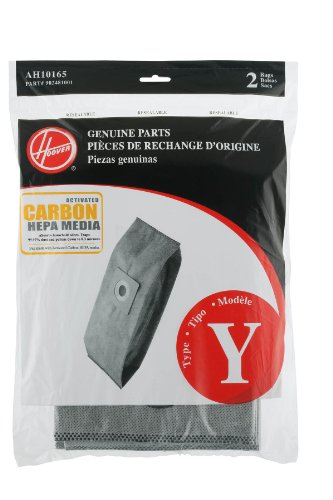
Upright models using treated bags, such as Hoover Vacuum Cleaner Bags for Upright Vacs, demonstrate how modern consumable design tackles this issue. These Type Y replacement bags feature an integrated carbon layer specifically engineered to absorb household odors alongside HEPA media filtration. Similarly, premium bags like Hoover Vacuum Cleaner Bags for Platinum Upright employ a self-sealing collar design that locks in dust and dander during disposal. Sealing the bag automatically upon removal prevents trapped odors and fine particulate matter from escaping when you swap old bags for fresh ones.
Bagless vacuum cleaners eliminate ongoing bag purchases but present unique surface-related odor challenges. In a bagless machine like the Hoover WindTunnel 3 Max Performance Pet Bagless, debris swirls through multiple cyclonic chambers before dropping into a plastic dirt cup. Fine pet dander and sticky cooking oils coat the inner plastic walls, rubber gaskets, and vortex baffles over time. If the dust container is not emptied after every use and rinsed regularly, residual residue creates persistent stale smells regardless of how clean your floors appear.
Filter Saturation and the Pitfalls of Trapped Moisture
Filters serve as the last defensive line against airborne particulate matter, but dirty filters frequently become the primary source of bad exhaust odors. Most modern vacuum cleaners feature at least two stages of filtration: a pre-motor filter to protect internal components and a post-motor exhaust filter to trap fine dust. When fine dander and microscopic soil saturate the filter media, air resistance increases dramatically while heat from the motor bakes the trapped grime. Post-motor filters equipped with odor-absorbing properties, including the odor-trapping HEPA filter found on select upright pet models, help capture these particles before exhaust air leaves the housing.
Trapped moisture inside washable filters causes some of the most pungent odors experienced by vacuum owners. Many manufacturers encourage users to wash foam and felt pre-filters under cool running water without soap to restore airflow. However, reinstalling a filter that is even slightly damp creates an ideal environment for mildew and bacterial growth inside the dark motor chamber. Once mold settles into synthetic foam pores, running the vacuum forces damp, sour spores into every room you clean.
Preventing moisture-related odor requires strict adherence to complete drying schedules. Always allow washable filters to air dry thoroughly in a well-ventilated space for a minimum of twenty-four hours before sliding them back into the machine. Never place wet filters on direct heat registers or dry them with high-temperature hair dryers, as extreme heat can warp synthetic frames and shrink fibrous media. If a washable filter retains a sour smell after complete drying, replace the component with a fresh manufacturer-compatible part rather than trying to mask the scent.
Brush Roll Obstructions and Drive Belt Friction
A sudden burning smell during carpet cleaning almost always stems from friction in the floorhead assembly rather than electrical failure. Floorheads rely on a high-speed rotating brush roll to agitate carpet fibers and sweep debris toward the intake channel. Human hair, sewing thread, and pet fur wrap tightly around the roller dowel and migrate toward the end bearings. As more hair accumulates, the bearings seize or struggle to rotate smoothly, placing immense mechanical drag on the entire drive mechanism.
Most traditional upright vacuums use a flexible rubber belt connected to the high-speed motor spindle to drive the brush roll. When a tangled roller stops spinning while the motor continues to turn, the metal spindle spins against the stationary rubber belt. The resulting friction generates extreme heat within seconds, melting the rubber and producing a noxious, pungent burning stench. Continuing to run the machine under these conditions will quickly snap the belt and can even warp the surrounding plastic floor nozzle housing.
Commercial designs and advanced consumer vacuums often integrate protective mechanisms to mitigate this persistent failure point. For instance, the Hoover HushTone Commercial Vacuum Cleaner includes an IntelliBelt feature designed to automatically shut off the motor if the roller encounters an obstruction. This automatic cutoff prevents belt breakage, eliminates friction-induced smoke, and protects internal mechanical assemblies from severe heat damage. Regularly inspecting the floorhead, snipping wound threads with blunt scissors, and clearing roller end caps keeps the brush roll spinning freely and friction-free.
Airflow Obstructions in Hoses, Wands, and Ducts
Partial clogs trapped inside flexible hoses and internal ductwork trap organic material where you cannot easily see it. A small obstruction, such as a paperclip, plastic wrapper, or wad of carpet fuzz, often lodges around sharp internal bends or nozzle pivots. Once the initial blockage catches in the airway, additional hair and food crumbs collect against it, forming a dense biological plug. Air forced through this rotting plug absorbs foul compounds and expels them directly out through the exhaust.
Airflow blockages also strain the vacuum motor, causing it to run significantly hotter than normal operating temperatures. Reduced airflow limits the cooling air that flows over the motor armature, producing a distinct hot dust smell that warns of imminent thermal overload. To prevent severe clogging from wet debris, never attempt to pick up liquid spills or damp food messes with a standard dry vacuum. Liquid cleaning tasks on hard flooring require sealed equipment designed for liquids, such as dedicated vacuum mop combos that keep moisture isolated from dry motor pathways.
Inspecting and clearing the intake path is straightforward once the appliance is unplugged. Detach the flexible hose and extend it straight while shining a bright flashlight into one end to confirm clear passage through the interior. If an obstruction is visible, gently dislodge the trapped debris using a long, flexible plastic rod or an unbent wire hanger with the hook wrapped in protective tape. Take care never to puncture the flexible ribbed wall of the hose, as small tears ruin suction pressure and allow foul odors to leak through cracks.
Step-by-Step Cleaning and Deodorizing Protocol
Restoring a fresh scent to a vacuum requires thorough physical cleaning rather than spraying superficial perfumes over dirty components. Start by unplugging the machine from the electrical outlet and carrying the unit to a well-ventilated patio or utility space. Remove the dirt cup or discard the full collection bag directly into an exterior trash receptacle to avoid releasing settled dust back into the house. Wipe down the empty bag compartment or canister housing with a damp microfiber cloth lightly moistened with mild dish soap and warm water.
If you operate a bagless vacuum, submerge the empty plastic dirt container and cyclonic shroud in a sink filled with warm soapy water. Use a soft-bristled utility brush to remove fine dander crust clinging to inner cyclone funnels, textured corners, and silicone sealing gaskets. Rinse the disassembled plastic pieces thoroughly under clear running water until no soap residue remains. Allow every washed plastic piece to dry completely on a towel-lined surface for at least twenty-four hours before reattaching them to the chassis.
Avoid pouring essential oils, heavy liquid sanitizers, or powdered carpet deodorizers directly into your vacuum chamber or filters. Concentrated oils can degrade internal plastic resins, attract sticky dirt clods, and create potential flammability risks near warm electric motor brushes. Similarly, fine baking soda particles can pass right through low-efficiency filtration media, entering motor bearings and causing electrical arcing. Stick to warm water, gentle soap, thorough rinsing, and complete drying to maintain long-term freshness safely.
Long-Term Habits for Preventing Odor Recurrence
Consistent cleaning routines prevent stubborn odors from establishing themselves inside your vacuum components. For bagged machines, replace collection bags when they reach two-thirds of their maximum capacity rather than waiting until suction drops entirely. Overfilled bags compress debris, restricting airflow and concentrating heat on organic matter. In bagless uprights and sticks, dump the dirt cup after every major cleaning round so pet hair and food crumbs never sit inside the chamber between uses.
Protecting your vacuum from moisture remains the single most effective rule for preventing sour mildew odors. Never vacuum over freshly shampooed carpets or damp rugs that have not dried completely. If your household requires thorough deep-cleaning for embedded carpet grime and stubborn spills, employ dedicated home carpet extractors designed specifically to handle liquid solutions and wet extraction. Reserving dry vacuums strictly for dry dirt keeps mold spores from colonizing internal components.
Establish an annual inspection routine to swap out non-washable exhaust filters and inspect drive belts for signs of wear. Rubber belts gradually stretch and develop microscopic cracks, increasing the risk of slippage against the brush roll spindle. Worn belts generate subtle friction smells long before they snap completely under load. Keeping a small stock of manufacturer-recommended replacement bags, clean spare filters, and fresh belts ensures your vacuum delivers clean airflow and reliable cleaning power year after year.
Eliminating unpleasant vacuum smells begins with identifying whether your machine is venting trapped biological debris or signaling a mechanical friction problem. By cleaning dirt chambers regularly, drying washable filters completely, and keeping the brush roll free from hair tangles, you protect both your appliance and indoor air quality. When components show signs of physical wear or persistent odors that washing cannot remove, replacing filters and collection bags restores original airflow freshness. Taking these practical maintenance steps guarantees that every cleaning pass leaves your living environment genuinely refreshed.






Write Your Review
No reviews yet. Be the first to share your experience!