


Dust mites, shed skin cells, and pet dander accumulate quietly within mattress quilting over months of daily sleep. While regular washing refreshes sheets and pillowcases, standard laundering rarely pulls out fine particles settled deep into dense mattress foam and heavy fabrics. Deciding if is a bed vacuum worth it often depends on whether your regular household cleaner manages fabric hygiene effectively or merely scatters surface lint. Many households find that dragging a full-sized floor cleaner across clean bedding feels awkward and unhygienic, sparking interest in specialized handheld alternatives designed specifically for soft furnishings.
These compact appliances combine targeted suction, vibrating beaters, and sanitizing features to address embedded debris that standard floorheads miss. Exploring specialized tools like dedicated handheld vacuums for mattresses reveals how targeted upholstery suction differs from traditional floor cleaning. Before investing in single-purpose cleaning gear, understanding how these devices operate helps you weigh their benefits against typical home maintenance habits. Evaluating whether the investment pays off comes down to household allergies, bedding construction, and how often you refresh your sleep setup.


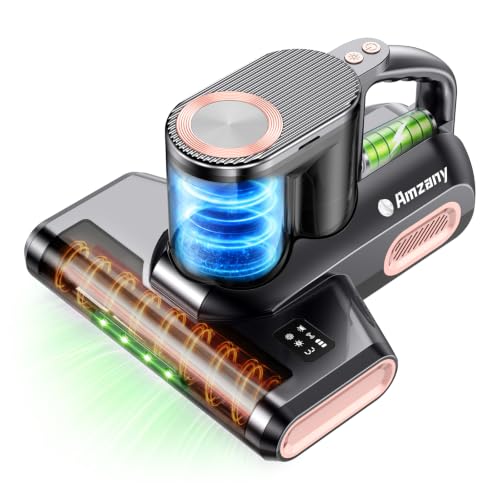


Evaluating Mattress Vacuums: Performance, Technology, and Value
Mattress cleaners represent a specialized subset of small household appliances built specifically to handle multi-layered bedding and upholstered furniture. Understanding whether one belongs in your cleaning closet begins with examining how its engineering contrasts with standard upright or stick vacuums. Rather than relying solely on raw airflow, these machines pair suction with mechanical agitation and sanitizing hardware designed to extract deep-seated dander and dust without snagging delicate fabrics.
The Core Mechanics: How Dedicated Bed Vacuums Differ from Standard Cleaners
Standard vacuum cleaners use motorized brush rolls with stiff bristles tailored for carpet fibers or smooth rollers meant for hard floors. When placed on a soft mattress or plush sofa, those aggressive bristles can pull fabric threads, tear loose quilting, or jam against loose bedsheets. In contrast, specialized bed vacuums employ high-frequency tapping mechanisms that beat the fabric surface at rates ranging from 30,000 to over 52,000 vibrations per minute.
This high-speed mechanical vibration knocks trapped micro-debris loose from deep foam padding, batting, and fabric weaves. Once dislodged by the tapping mechanism, fine particles like dead skin flakes, lint, and dust mite waste drift into the immediate airflow path. A traditional vacuum attachment simply glides across the top layer, pulling surface dust while leaving deeply embedded material untouched beneath the outer ticking.
The contact surface of a mattress cleaner is also distinctively wide and smooth to ensure continuous contact without catching. Flat baseplates and specialized gliding rollers allow the tool to slide effortlessly across soft cotton sheets, wool mattress toppers, and textured couch cushions. By distributing contact evenly, the machine maintains a consistent seal that prevents suction leaks while protecting the underlying textiles from friction damage.
Suction Dynamics and Motor Power on Dense Fabric
Airflow behaves differently on porous, compressible surfaces than it does on solid timber or low-pile rugs. Standard floor vacuums prioritize high cubic feet per minute airflow, which often causes lightweight sheets and mattress covers to suck upward directly into the nozzle. That seal chokes the intake, stalls the motor, and stops dirt removal completely.
Bed cleaners solve this issue by pairing targeted spiral suction, typically rated between 12,000 Pa and 20,000 Pa, with calibrated negative-pressure chambers. High-efficiency motors operating at 50,000 to 70,000 RPM generate strong lift while maintaining controlled airflow geometry across an 8-inch or similar wide suction opening. This balance allows the cleaner to pull dense debris through multiple layers of textile without anchoring itself immovably to the fabric.
Real-time dust sensors on advanced models provide visual feedback on how thoroughly a section has been cleaned. Color-coded LED index bars monitor the volume of debris passing through the airflow channel, signaling when an area requires another pass. This monitoring eliminates guesswork, ensuring you spend time focusing on heavily trafficked sleeping zones rather than repeatedly vacuuming clean fabric.
Sanitization Technologies: UV-C Light and Ultrasonic Systems
Sanitizing features provide an extra layer of fabric care that conventional floor vacuums do not offer. Many bed cleaners incorporate ultraviolet lamps operating at germicidal wavelengths between 253.7 and 275 nanometers alongside high-frequency ultrasonic wave generators. These systems target micro-pollutants and biological allergens settled within fabric fibers while you perform routine surface passes.
Because direct exposure to germicidal ultraviolet light can harm human skin and eyes, safety interlocks are critical engineering components. Manufacturers integrate gravity-sensing wheels or pressure-sensitive base rollers that only activate the UV-C lamp when the machine is firmly pressed flat against a cleaning surface. Lifting, tilting, or turning the device instantly shuts the lamp off, preventing accidental ultraviolet exposure to users or curious pets.
Ultrasonic waves operating around 40,000 Hz work in tandem with the light source and suction mechanism. These high-frequency acoustic waves penetrate deep into foam cores to disrupt and detach microscopic debris that physical suction alone struggles to displace. While these technologies help refresh fabrics between thorough seasonal cleanings, they function best as regular maintenance tools rather than one-time sterilization solutions.
Heat Drying and Moisture Management in Upholstery
Moisture accumulation presents a persistent challenge for mattresses and upholstered furniture in humid climates. Human perspiration, ambient humidity, and spills create damp microclimates within dense foam layers where dust mites thrive and stale odors develop. Several dedicated mattress cleaners feature integrated thermal systems that blow heated air between 140°F and 150°F directly into the fabric during cleaning.

This stream of hot air helps evaporate trapped surface dampness while expanding fabric fibers to release tightly bound dust. Reducing internal fabric moisture makes the textile environment far less hospitable to microscopic pests and mold spores. For homes tackling deeper stains or wet messes, pairing dry heat vacuuming with specialized gear like pet stain vacuum equipment provides a broader hygiene defense for high-traffic furniture.
Integrated fragrance compartments on select models offer an extra sensory touch during warm-air cycles. Aromatherapy tablets or scented pads release light fragrances into the exhaust air, neutralizing stale odors and leaving clean linen smelling fresh. Built-in temperature safeguards monitor internal thermal levels, shutting the heat element down automatically if the machine stays stationary for too long to avoid fabric scorch risks.
Filtration Systems and Dual-Cup Separation
Capturing microscopic allergens requires filtration that prevents fine particles from blowing right back into your sleeping environment. Dedicated mattress vacuums frequently use multi-stage filtration assemblies that combine steel mesh pre-filters, high-density sponges, and HEPA media. These systems trap particles as small as 0.3 microns, including fine skin dander, pollen, and microscopic waste products.
A common weakness in basic handheld cleaners is filter clogging, which causes suction to drop precipitously after only a few passes across a dusty bed. To counter this, advanced bed vacuums implement dual-cup cyclone separation systems. One chamber captures hair, lint, and large fibers, while the second chamber channels microscopic dander directly through the high-efficiency filter.
Separating debris classes maintains stable airflow across extended cleaning sessions and prolongs the operational lifespan of the internal filters. Detachable, washable dust cups simplify maintenance by allowing users to rinse away grime under tap water without touching trapped dander. Thoroughly air-drying these filters before reassembly ensures the vacuum retains full suction power and prevents musty odors from forming inside the housing.
Corded Convenience Versus Cordless Maneuverability
Choosing between corded and cordless mattress cleaners involves weighing continuous power against unrestricted movement. Corded units typically feature power cables stretching between 16.4 and 19.7 feet, offering uninterrupted operation for multi-bed households without battery degradation over time. They deliver steady suction and sustain high-wattage heating elements without worrying about battery drain during a deep Sunday refresh.
Cordless models provide unmatched convenience when cleaning bunk beds, vehicle upholstery, cribs, or tight stair carpeting. Weighing between 2.9 and 3.5 pounds, these portable units eliminate tangled cords and allow swift transitions from room to room. When dealing with mixed flooring or deep upholstery restoration across a whole house, combining portable tools with carpet extractor machines helps maintain clean fabrics throughout every living space.
However, cordless runtimes generally span 20 to 40 minutes depending on whether you run in Eco, Standard, or Turbo modes. Turbo modes consume battery reserves rapidly, meaning large king-sized mattresses might require recharging mid-session if you move slowly. Recharging typically requires 90 minutes to a few hours, making corded alternatives preferable for users who plan lengthy, uninterrupted cleaning routines across several bedrooms.
Safety Protections, Maintenance, and Operating Constraints
Specialized mattress cleaners operate under unique mechanical stresses caused by dense fabrics and tightly woven fibers. To prevent mechanical damage, manufacturers install locking rotor protection circuits within the motorized roller assemblies. If loose bedding, fringe, or cords get drawn into the brush bar, the roller stops spinning instantly to protect both the fabric and the motor drive belt.
Thermal overload protection serves as another vital safeguard against motor burnout during heavy use. Compressing the machine too firmly into dense memory foam restricts cooling airflow around the motor housing, causing internal temperatures to rise. When this happens, safety sensors temporarily power the vacuum down, requiring a brief cooling period of 15 to 30 minutes before normal operation resumes.
Prospective buyers should also review specific manufacturer limitations regarding debris types. Some compact bed vacuums explicitly note they are not designed for heavy pet hair accumulation, as long fur can wrap tightly around fine tapping rollers and jam small intake paths. Regularly clearing hair tangles from the roller, inspecting intake ducts for obstructions, and following the user manual ensures dependable long-term performance.
Who Truly Benefits and Making the Practical Decision
Determining whether a dedicated bed cleaner justifies its purchase depends heavily on your household health needs and cleaning expectations. Allergy sufferers, asthma patients, and households with indoor pets generally notice the clearest benefits from regular mattress extraction. Pulling visible gray dust and fine skin flakes from what appeared to be clean fabric often convinces skeptical users of the appliance’s utility.
On the other hand, minimalists who already own a capable canister or upright vacuum equipped with a motorized mini-upholstery tool might find dedicated bed vacuums somewhat redundant. While regular vacuum attachments lack UV-C lamps, hot air blowers, or ultrasonic pulsers, they can still remove a substantial volume of surface debris if used consistently. Storing a single-purpose device can also pose a drawback for apartment dwellers with limited closet space.
Ultimately, a bed vacuum is worth the investment if you desire a hygienic, dedicated tool that never touches dirty floors before contacting your pillows and sheets. The combination of high-speed tapping, sanitized contact surfaces, dual-cup filtration, and targeted fabric protection creates an effortless cleaning habit that ordinary floor tools simply cannot match. Assessing your sleep sensitivities, available storage, and desire for specialized upholstery hygiene will clarify whether this appliance fits your regular home care routine.


Write Your Review
No reviews yet. Be the first to share your experience!