


Scrubbing stuck grime from kitchen tile or lifting stubborn residue off vehicle upholstery often pushes standard household cleaning tools past their limits. Traditional brooms, dry vacuums, and chemical sprays can handle loose dirt, but they struggle against hardened grease, caked mud, and deep grout discoloration. Many homeowners facing these stubborn chores wonder should i buy a steam cleaner or whether existing cleaning appliances are sufficient for regular maintenance. Heated vapor machines offer an alternative approach by loosening surface bonds without relying entirely on abrasive brushes or harsh chemical compounds. If you already maintain high-traffic spaces with a wet-dry vacuum for vehicle interiors, pairing that suction power with thermal steam can change how you address embedded grime.
Before adding another appliance to your utility closet, assessing your specific flooring types, cleaning routines, and storage space is essential. Steam machines range from lightweight handheld units to combination extractors and upright floor mops, each tailored for different household tasks. While sealed ceramic tile and automotive upholstery handle intense vapor well, moisture-sensitive surfaces require delicate handling to prevent warping or finish damage. Comparing these appliances against vacuums dedicated to hardwood flooring helps clarify whether thermal sanitizing fills a genuine gap in your current routine. Understanding machine capabilities, heating mechanisms, and physical limitations will ensure you make an informed decision without unrealistic performance expectations.

Pros
- Rapid 15-second heat-up allows quick deployment for routine spills or deep spot cleaning
- Large 1.25-liter water tank provides longer continuous steaming than standard compact handhelds
- 6 adjustable steam levels offer fine control between light fabric refreshing and heavy grease cutting
- Includes 16 multi-purpose accessories for targeted scraping, scrubbing, and car detailing
Cons
- The 4.92-foot power cord is relatively short, requiring an extension cord for larger rooms or outdoor vehicle detailing
- At 5.1 pounds empty plus roughly 2.7 pounds of water when full, continuous handheld use can cause arm fatigue
- Does not vacuum or extract loosened debris, requiring manual towel wiping after steaming
The WSRYYCC Portable Handheld Steam Cleaner is a corded high-temperature steam unit built for targeted spot cleaning, kitchen degreasing, bathroom restoration, and automotive detailing. Engineered for households that prefer cleaning without chemical additives or synthetic fragrances, this steamer uses high-heat pressurized vapor to loosen built-up dirt, sticky spills, and caked-on grime. It works especially well for homeowners, pet owners, and renters who need a versatile machine capable of handling tough bathroom tile lines, greasy stovetops, and vehicle interior trim.
Operating on a standard 110V-120V electrical connection, the internal 1500-watt heating element generates steam in approximately 15 seconds. The machine delivers steam reaching temperatures up to 221 degrees Fahrenheit (105 degrees Celsius) at a working pressure of 3 bar. Cleaning intensity is managed through an intuitive 6-level touch-control panel with dedicated plus and minus buttons. This variable output lets users dial down the steam volume for sensitive vehicle trim and fabric upholstery, or maximize pressure and heat when melting away hardened oven grease and bathroom soap scum.
Built around an ergonomic handheld base, the unit incorporates a 1.25-liter water reservoir that allows for extended cleaning sessions between refills. Maneuverability is supported by a 6.6-foot flexible steam hose, giving users sufficient reach to work around stove hoods, sink fixtures, or car seating without lifting the entire machine body constantly. The package includes 16 multi-purpose accessories, featuring various brush heads, a flat scraper, an angled nozzle, a cleaning cloth, and protective gloves. The overall dry weight is listed at roughly 5.1 pounds, making it relatively manageable to carry between rooms.
Day-to-day operation is straightforward: add water into the top-fill port, plug the unit into a grounded outlet, and allow the 15-second warm-up cycle to engage before selecting an output level. The manufacturer highlights compatibility across a wide range of surfaces, including tile grout, kitchen appliances, bathroom fixtures, hard floors, carpets, and automotive interiors. Maintenance requires draining leftover water after use to minimize mineral buildup and wiping down the nozzles and attachment bristles. The cleaning cloth and protective gloves can be rinsed and air-dried between chores.
Potential buyers should be aware of a few practical trade-offs. The 4.92-foot power cord is relatively short, which means you will likely need an extension cord when cleaning larger floor spaces or maneuvering around a vehicle in a driveway. Additionally, with a full 1.25-liter water load adding nearly 2.7 pounds to the 5.1-pound base, the unit can feel heavy if carried continuously for long periods. It is also a pressure steamer rather than an extractor, meaning it loosens grease and dirt that must then be wiped away manually with a cloth or towel.
For shoppers looking for an affordable, chemical-free cleaning tool, the WSRYYCC Handheld Steam Cleaner provides strong functional value. Its fast 15-second heating cycle, 6-level digital touch adjustment, and generous accessory package make it a solid choice for deep-cleaning kitchen appliances, scrubbing grout lines, and detailing cars without toxic fumes.
This unit features a 1500-watt boiler system that generates pressurized steam reaching 221 degrees Fahrenheit (105 degrees Celsius) at 3 bar of working pressure. The rapid 15-second heat-up allows users to begin cleaning almost immediately without prolonged waiting times.
The built-in touch controls feature 6 distinct steam intensity levels, adjustable via simple plus and minus buttons. This lets users apply gentle vapor to fabric upholstery and car seating or switch to maximum pressure when tackling hardened kitchen grease, tile joints, and bathroom grime using pure water alone.
The package comes supplied with 16 multi-purpose attachments designed to address varied household and automotive tasks. Included components feature scrub brushes, a flat scraper, precision nozzles, a cleaning cloth, and protective gloves.
Combined with the 6.6-foot flexible steam hose, these attachments allow users to scrub tight grout lines, scrape baked-on oven residues, clean window glass, and detail tight crevices inside vehicle interiors without needing additional aftermarket tools.





Deciding Whether a Steam Cleaner Fits Your Home and Routine
Determining whether a steam cleaner belongs in your cleaning arsenal requires looking beyond advertising promises and examining how pressurized vapor interacts with everyday household grime. These appliances excel at specific sanitation tasks, yet they are not universal replacements for traditional floor vacuums or manual scrub brushes. Answering the question requires balancing your flooring materials, your tolerance for machine maintenance, and the types of messes your household generates. Taking time to inspect what steam can and cannot achieve ensures you select equipment that genuinely solves your cleaning bottlenecks.
How Thermal Steam Operates on Household Surfaces
Steam cleaners work by heating water inside an internal boiler or through an instant flash-heating block until it reaches a gaseous state. As water converts to pressurized vapor, the machine directs it through targeted nozzles, utility brushes, or microfiber cleaning pads. The rapid release of thermal energy weakens the physical bonds binding grease, soap scum, and dried spills to rigid surfaces. Because the high temperature softens residues on contact, you spend far less physical effort scrubbing stubborn spots.
Operating temperatures in domestic steamers generally range between 212 degrees Fahrenheit and 248 degrees Fahrenheit. At these elevated levels, thermal vapor breaks down oily films and sanitizes washable surfaces without depending on synthetic chemical detergents. This chemical-free operation makes pressurized steam appealing for homes with curious pets, crawling toddlers, or individuals sensitive to fragrance additives. Pure water vapor leaves no sticky detergent film behind, preventing surfaces from attracting fresh dust immediately after washing.
Thermal vapor does have practical physical limits that every prospective buyer must recognize. Steam softens and dissolves organic grease, food spills, and bacteria, but it cannot dissolve mineral grains, pet hair, or dry grit. If you apply a steam nozzle directly over loose dirt, you will simply create hot mud that spreads across the floor. Consequently, steam cleaning must always serve as a secondary deep-cleaning step after thorough dry debris removal.
Steam Vapor Cleaners Versus Vacuum Cleaners and Extractors
A common misconception is that a steam machine functions similarly to an electric suction vacuum cleaner. Standard vacuums rely on high-velocity airflow and rotating brush rolls to dislodge dry particulate matter and channel it into a filtration bin. In contrast, dedicated steam cleaners generate moisture and pressure to break chemical bonds, containing no suction motor to lift loose particles. Attempting to use a standard steam cleaner as a primary floor sweeper inevitably leads to smeared dirt and clogged nozzles.
The cleaning process becomes clearer when comparing standalone vapor steamers with wet-extraction machines. Traditional steamers liquefy dirt, leaving a damp layer of residue that requires immediate manual wiping with absorbent microfiber towels. In homes with extensive carpeting or fabric furnishings, managing that released moisture is essential for preventing mold growth. If your primary goal involves maintaining mixed floors rather than sanitizing hard tile, pairing a vapor tool with upright vacuums for multi-surface flooring keeps dry debris under control before moisture is introduced.
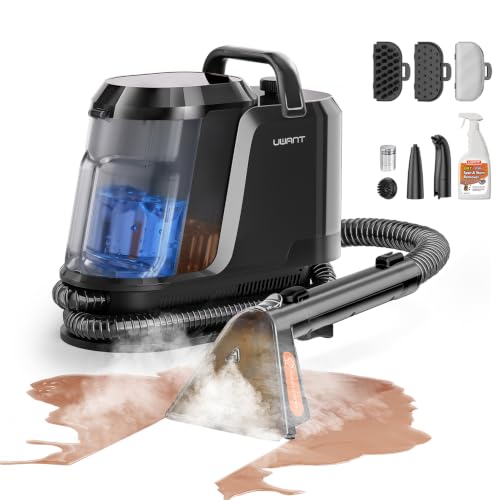
Specialized combination machines, such as portable carpet extractors from brands like uwant and TREEUP, bridge the gap between steam generation and mechanical recovery. These units feature suction motors delivering up to 18 kilopascals of suction alongside steam or hot water spray modes. Dual-tank configurations isolate clean solution from recovered dirty water, pulling liquefied grime out of carpet fibers rather than leaving it on the surface. Choosing between a pure vapor steamer and a steam extractor depends heavily on whether your primary target is hard tile grout or upholstered fabric.
Surface Compatibility Across Tile, Grout, Wood, and Fabrics
Impervious hard surfaces represent the ideal working environment for high-temperature steam machines. Glazed ceramic tile, porcelain slabs, sealed cement grout, and granite countertops handle thermal energy and moisture without structural deterioration. Sinks, stainless steel stove grates, glass shower enclosures, and baked-on oven surfaces release built-up oils rapidly when subjected to focused steam pressure. Specialized brass or nylon utility brushes allow users to agitate stubborn grout lines without marring surrounding ceramic glaze.
Caution is vital when approaching engineered flooring, laminate planks, and natural hardwood surfaces. Heat can soften polyurethane sealants, while forced moisture can penetrate micro-cracks between planks, causing edges to swell and buckle irreversibly. Even when using a mop equipped with a microfiber pad, lingering moisture presents a genuine hazard to unsealed wood fibers. If you choose to clean hard floors with steam, verify manufacturer floor warranties and select units with low-steam settings to minimize heat exposure.
Fabrics, mattresses, and soft furnishings require calculated temperature control and adequate drying time. Steam can refresh wrinkled drapery, sanitize car seat fabric, and neutralize surface odors embedded in synthetic fibers. However, saturated carpet backing can trap dampness, especially in dense pile weaves that restrict air movement. Homeowners managing thick area rugs should rely primarily on vacuums engineered for plush carpeting for routine soil extraction, reserving light steam applications for isolated stain treatment.
Handheld Detailers Versus Upright Multi-Surface Steam Mops

Handheld steam cleaners provide exceptional agility for detailed spot cleaning across kitchens, bathrooms, and vehicle interiors. Compact units like the Likzest pressurized steamer weigh approximately 2.6 pounds, allowing comfortable single-handed operation around sinks and sliding door tracks. These portable models typically include specialized tool kits featuring angled elbow nozzles, window squeegees, and concentrated jet tips. Their compact form factor allows effortless storage inside lower kitchen cabinets or utility closets.
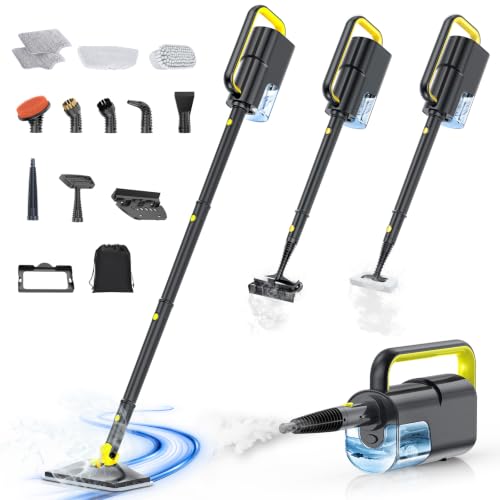
Upright steam mops cater to broad floor surfaces where covering square footage efficiently is the primary objective. Convertible appliances, such as the LABIGO 10-in-1 floor mop, feature detachable handheld cores mounted to upright wands and swiveling mop heads. Foot-operated release tabs let you detach dirty microfiber pads without bending over or touching soiled fabric directly. Carpet gliders snap over the mop base, permitting smooth movement across low-pile rugs to refresh flattened fibers.
Physical maneuverability varies widely depending on steam hose length, power cord reach, and overall machine balance. While handheld units offer great precision, smaller water tanks require frequent refills during extensive cleaning tasks. Models equipped with separate base reservoirs, such as the Granarbol or WSRYYCC units, provide flexible steam hoses measuring five to six feet in length. Longer hoses reduce hand fatigue by keeping the water weight resting safely on the floor while you clean elevated window frames.
Analyzing Heating Mechanisms, Pressure, and Tank Capacities
Heating technology significantly affects how quickly you can begin cleaning and how consistently the machine delivers vapor. Modern instant-heating units utilize rapid heating elements that produce working steam in just 10 to 15 seconds. In contrast, traditional pressurized boiler models require three to five minutes to heat their entire reservoir before releasing steam. Instant systems allow rapid spot cleaning, whereas pressurized boilers maintain dense, dry steam output throughout the session.
Water reservoir capacity dictates how long you can operate before pausing to refill the tank. Compact handheld steamers with 350-milliliter tanks deliver approximately 7 to 12 minutes of continuous steam output. Larger domestic steamers feature external reservoirs holding 1.25 to 1.6 liters, supporting extended cleaning sessions exceeding 60 minutes. Selecting the right tank size involves balancing machine weight during handheld use against the inconvenience of frequent refilling stops.
Operating steam pressure determines how effectively the vapor jet blasts away impacted debris from crevices. Standard residential steam cleaners generally operate at approximately 3 bar, which equals roughly 43.5 pounds per square inch of pressure. Multi-level touch controls, seen on models like the Vsyt and WSRYYCC steamers, let you dial back intensity for delicate upholstery or maximize pressure for greasy stovetops. Matching pressure output to surface resilience prevents accidental heat or moisture damage.
Essential Safety Systems and Equipment Maintenance
Operating with pressurized boiling water introduces inherent burn risks that require sensible safety design. Quality steamers incorporate mechanical safety locks on steam triggers to prevent accidental discharge when moving between rooms. Heat-resistant exterior casings and insulated utility gloves protect your hands from high operational temperatures during prolonged scrubbing. Pressurized boiler caps should never be loosened while the machine remains hot, as escaping steam can cause severe burns.
Internal electrical protections safeguard both the appliance and the operator during everyday cleaning chores. Dry-boil protection circuits automatically shut off heating elements when the water reservoir runs empty, preventing component burnout. Several advanced models emit audible alerts before powering down, warning users that the water level requires replenishment. Reinforced steam hoses featuring braided steel wire or durable synthetic sheathing prevent kinks and resist internal bursting under pressure.
Routine maintenance determines whether your steam cleaner lasts for years or suffers from premature nozzle blockage. Tap water contains dissolved minerals that precipitate out as hard limescale inside boilers and heating tubes over time. Using distilled or demineralized water prevents scale buildup, ensuring unobstructed steam flow through narrow nozzle apertures. If mineral blockages develop, clearing the nozzle tip with an included anti-clogging pin restores proper pressure distribution.
Practical Indicators That Confirm You Should Invest in a Steamer
Investing in a dedicated steam cleaner makes practical sense for households dealing with specific recurring maintenance challenges. Homes with extensive tile installations, grimy bathroom grout, or greasy kitchen backsplashes benefit immediately from thermal vapor cleaning. Pet owners who frequently address muddy paw prints on hard floors or vehicle owners who detail interior upholstery will find substantial utility in a versatile steamer. Eliminating chemical cleaning agents also creates a healthier living space for households managing environmental sensitivities.
Conversely, households dominated by unsealed hardwood, wall-to-wall carpeting, or laminate flooring may find steam cleaners redundant. Without sufficient impervious hard surfaces or vehicle detailing tasks, a steamer will likely languish in storage after an initial novelty period. If your cleaning routine focuses primarily on picking up dry dust, crumbs, and shedding pet hair, investing in a high-grade dry vacuum remains the superior choice. Assessing your floor plans and weekly chores honestly prevents unnecessary spending on specialized appliances.
Ultimately, deciding whether to purchase a steam cleaner comes down to recognizing it as a specialized sanitizing tool rather than a daily broom. When integrated alongside reliable dry vacuuming equipment, a quality steamer transforms grueling scrubbing sessions into quick, chemical-free maintenance routines. Review your home surfaces, verify manufacturer care guidelines, and select a form factor that fits your available storage space comfortably. Taking a realistic approach ensures your investment delivers tangible cleanliness without unnecessary operating hassle.


Write Your Review
No reviews yet. Be the first to share your experience!