


Waking up with itchy skin, sneezing fits, or general discomfort often points toward accumulated dust, fine dead skin flakes, and pet dander trapped inside bedding fabrics. Standard floor cleaning attachments rarely handle deep upholstery textures effectively, which leads many homeowners to ask what is the best bed vacuum for their routine cleaning needs. Dedicated mattress cleaners use specialized agitation pads, high-frequency beating rollers, and targeted air pathways to lift deeply settled particles that regular cleaning tools leave behind. Pairing effective fabric cleaning with cordless vacuums with HEPA filters across the rest of the bedroom helps maintain fresher, cleaner air for healthier sleep.
Choosing the ideal mattress cleaner requires looking beyond basic suction numbers and examining how mechanical agitation, heat dissipation, and sealed filtration work together on layered textiles. A quality machine balances manageable handling weight with enough motor power to vibrate dense foam and tufted pillow tops without damaging fragile seams. Understanding the core mechanical differences between handheld fabric cleaners and stick models with specialized motorized tools helps buyers avoid common performance pitfalls. This detailed guide walks through how bed vacuums operate, which features address specific bedding materials, and how proper maintenance ensures reliable long-term performance.


Pros
- Strong manufacturer-rated suction up to 55kPa with a 650W motor and four distinct cleaning modes
- Generous rated runtime up to 70 minutes in Eco mode for multi-room coverage on hard surfaces
- Self-standing mechanism provides hassle-free parking during interruptions mid-clean
- Comprehensive accessory set including a motorized bed brush and a 3.3ft flexible extension hose
- Backed by a 3-year manufacturer warranty and responsive 24/7 dedicated customer support
Cons
- Boost mode reduces continuous runtime to approximately 15 minutes during intensive deep-cleaning tasks
- Dust bin capacity is not explicitly specified in the product data, requiring routine monitoring during heavy shedding cleanups
- Manufacturer specifies using only the original battery and charging dock to maintain proper operation
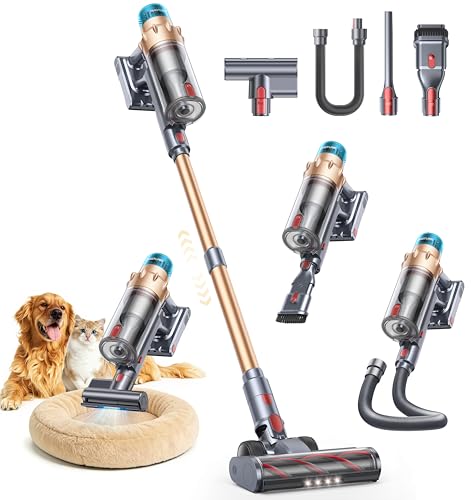
The SMOTURE Cordless Vacuum Cleaner is a lightweight stick vacuum built for multi-surface household cleaning, pet-hair management, and vehicle upkeep. Powered by a 650W brushless motor, this cordless model caters to homeowners, apartment dwellers, and pet owners who need quick, tether-free cleanup across hard floors, area rugs, and carpeting. Its design emphasizes daily convenience by combining high-suction floor performance with specialized above-floor tools.
Daily floor care requires balancing power with efficiency, and this machine addresses that through four selectable settings on an integrated LED touchscreen: Eco (18kPa), Standard (35kPa), Boost (55kPa), and Auto mode. In Auto mode, the vacuum actively detects changes in floor resistance, increasing suction automatically when rolling onto carpets to agitate embedded dirt and reducing power on hard floors to conserve battery life. This automation removes the guesswork when moving between different rooms and flooring transitions.
Weighing under four pounds, the vacuum maneuvers effortlessly around furniture legs and up stairwells. It comes packaged with a useful attachment kit that includes a motorized bed and sofa brush designed to pull pet fur from upholstery, a 2-in-1 dusting brush, a crevice tool, and a 3.3-foot flexible hose. The self-standing architecture is another practical asset, allowing you to park the unit upright instantly if you need to move a chair or attend to family members without laying the vacuum on the floor.
Routine setup and storage are straightforward. The cleaner can be docked on its included wall mount for automatic charging readiness, or simply parked freestanding in a closet or utility corner. The rechargeable battery delivers up to 70 minutes of fade-free operation in Eco mode, roughly 30 minutes in Standard mode, and about 15 minutes in high-power Boost mode. Maintenance focuses on regular dry bin emptying, periodic brush inspection, and keeping the unit paired with its original manufacturer charger.
While the 55kPa maximum suction specification is generous for a cordless stick unit, operating exclusively in Boost mode reduces runtime to roughly 15 minutes, making that setting best reserved for stubborn debris and targeted pet-hair patches. Additionally, the manufacturer does not state the exact liquid-equivalent or dry volume capacity of the dust container, so households with multiple heavily shedding animals will want to empty the bin regularly during large cleaning sweeps.
Overall, the SMOTURE Cordless Stick Vacuum offers solid everyday value for shoppers seeking strong suction, versatile attachment configurations, and surface-sensing technology without premium brand pricing. With its self-standing body, dedicated mattress tool, extended Eco runtime, and 3-year warranty backing, it serves as a dependable primary cleaner for apartments or a nimble secondary vacuum for busy, multi-level homes.
The SMOTURE stick vacuum utilizes a high-capacity rechargeable battery system designed to meet different cleaning demands across the home. When set to Eco mode (18kPa), the vacuum delivers up to 70 minutes of continuous runtime, which is ideal for dust maintenance, low-traffic areas, and hard-floor sweeps throughout larger living spaces. For standard everyday messes, the 35kPa Standard mode provides approximately 30 minutes of cleaning, balancing air power with battery preservation.
For heavily soiled rugs, mats, or embedded pet hair, Boost mode unlocks the full 55kPa suction output, providing roughly 15 minutes of intensive cleaning. The intelligent Auto mode optimizes this balance by self-regulating suction based on flooring resistance. When cleaning tasks are complete, the unit can be placed onto the included wall-mount dock, which provides structured storage and ensures the battery is recharged and ready for the next use.
A standout aspect of this cordless vacuum is its versatile accessory bundle, designed to take cleaning well beyond open floors. The motorized bed and sofa brush features dedicated motorized agitation, helping lift pet hair, dust, and lint directly from mattresses, fabric couches, and pet beds where standard floorheads can be too bulky or ineffective.
The included 3.3-foot flexible hose adds reach and flexibility, allowing users to attach the 2-in-1 dusting brush or crevice tool without having to lift the entire motor assembly. This configuration is especially useful for detailing car footwells, reaching deep into seat gaps, dusting high ceiling vents, or cleaning along baseboards and window tracks. Combined with the lightweight chassis, these attachments turn the stick vacuum into an agile handheld cleaning station.



Evaluating Mattress Vacuums: Agitation, Suction, and Hygienic Performance
Answering what is the best bed vacuum begins with understanding that fabric-clearing tools must perform very different mechanical work than regular floor appliances. Mattresses, down comforters, and deep couch cushions act like massive fabric filters that collect organic particles over months of daily contact. Standard floorheads lack the concentrated contact patch and specialized vibrating elements needed to disrupt particle adhesion within tightly woven ticking. Dedicated mattress cleaners solve this problem by pairing physical beating mechanisms with short airflow ducts, lifting settled debris before drawing it directly into cyclonic chambers.
The Role of High-Frequency Agitation in Mattress Cleaning
Suction alone cannot reliably pull fine dust particles from several inches beneath a woven mattress topper. High-frequency tapping mechanisms or specialized composite roller brushes provide the physical impact necessary to shake loose settled debris. Models like the Mr.ego Mattress Vacuum Cleaner utilize high-frequency brush rolls running alongside strong motor suction to agitate dense upholstery layers. Similarly, devices like the Teant Cordless Bed Mattress Vacuum feature spiral rollers delivering up to 33,000 taps per minute to dislodge fine contaminants. This vigorous tapping action lifts settled particles toward the fabric surface where suction can capture them cleanly.
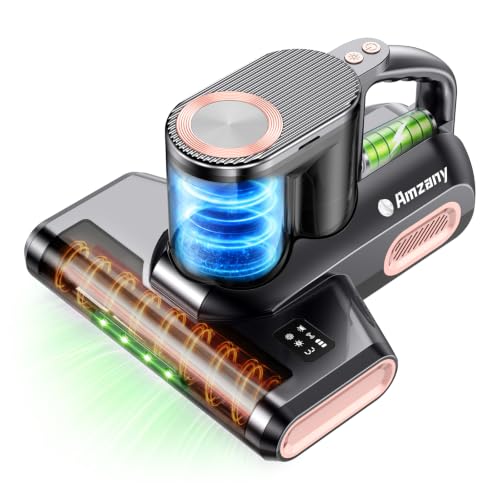
The design of the vibrating roller or tapping plate directly influences how smoothly the tool glides over flexible bedding surfaces. Flap-style beaters deliver sharp percussive strikes, whereas spiral bristled rollers combine surface brushing with rhythmic tapping. Units engineered with high beat rates, such as the Amzany Cordless Mattress Vacuum Cleaner operating at up to 52,800 beats per minute, maximize particle release per pass. If a roller brush creates excessive friction against sheets or mattress covers, integrated motor sensors should halt rotation to protect delicate fabric fibers from snagging. Always ensure the bed surface is pulled taut during cleaning to prevent loose textiles from wrapping around the spinning roller assembly.
Agitation mechanisms also vary depending on whether the cleaning head uses metal-strip rollers, rubber paddles, or dense nylon bristle bundles. Composite rollers featuring alternating rubber strips and soft bristles, such as those found on the CFBF Mattress Bed Vacuum Cleaner, strike a practical balance between aggressive vibration and gentle fabric handling. While rubber paddles resist hair tangles and provide uniform percussion, soft bristles sweep away loose surface lint and pet hair. Matching the agitation style to your specific bedding material protects delicate organic cotton or memory foam covers from premature wear.
Interpreting Suction Ratings and Motor Power Across Bed Cleaners
Motor strength in bed vacuums is frequently listed using kilopascals (kPa) or air pressure ratings to indicate vacuum lift. Handheld units designed specifically for beds typically range between 12kPa and 20kPa of static suction, as seen on models like the FEPPO Mattress Vacuum Cleaner PRO. Stick vacuums with modular attachments, such as the SMOTURE Cordless Vacuum Cleaner with its 55kPa rating, produce higher raw figures by employing large brushless motors intended to pull debris through longer wands. However, suction pressure measured at an open port does not always reflect real cleaning performance when pressed against porous fabric.
A bed vacuum requires balanced negative pressure that maintains steady airflow without causing the suction inlet to seal completely against the mattress. If a vacuum suctions down too hard against fabric, the motor strains, airflow drops to near zero, and dust collection halts entirely. Thoughtfully designed models incorporate wide suction channels and controlled relief vents to maintain high-velocity airflow even under firm downward pressure. When evaluating different cleaners, consider how short airflow paths in compact handheld housings allow modest motors to generate effective collection velocity at the fabric contact line.
Motor type also dictates operational lifespan, operating sound levels, and thermal stability during extended cleaning routines. Brushless digital motors provide greater electrical efficiency and cooler running temperatures compared to traditional brushed motors, which is why cordless models like the FEPPO Cordless Mattress Vacuum Cleaner leverage high-rpm brushless technology. Traditional corded designs compensate with continuous power delivery from standard electrical outlets, driving consistent suction without running down a battery. Evaluating your cleaning routine helps determine whether continuous corded power or lightweight cordless agility provides the better workflow.
UV-C Light Technology and Built-In Safety Sensors
Many specialized bed vacuums incorporate germicidal UV-C light tubes, typically operating around the 253.7-nanometer wavelength, to illuminate fabric as you push the machine. Models like the Kenmore Bed Mattress Vacuum with UV-C Light & HEPA use integrated ultraviolet tubes alongside mechanical suction to treat upholstery surfaces. While ultraviolet light provides surface sanitizing properties under controlled conditions, its real-world effectiveness depends heavily on exposure time and direct line of sight. Quick passes over a bed mean the light acts primarily as a supportive hygienic layer rather than an instant sterilizer.
Safety mechanisms are paramount whenever ultraviolet radiation is utilized on household cleaning equipment. Reliable machines incorporate mechanical microswitches or gravity-sensing contact wheels that cut power to the UV-C lamp the instant the tool lifts off the mattress. Units such as the Teant Mattress Bed Vacuum Cleaner utilize dual gravity rollers to ensure light stays completely sealed under the chassis. This protective interlock prevents accidental ocular exposure or skin irradiation if the user flips the cleaner over during use. Always inspect these contact wheels periodically to verify that dust buildup does not prevent smooth switch engagement.
Ultrasonic waves are also paired with UV-C lamps in several contemporary models, including the Carpet Cleaning Machine Accessories Mattress Vacuum from Mxnsewr. Manufacturers include ultrasonic transducers to generate micro-vibrations within mattress fibers, aiding the physical dislodgement of ultra-fine particles. While ultrasonic technology provides a gentle, non-contact layer of physical agitation, it should always be viewed as complementary to mechanical suction and beating rollers. Relying on physical debris extraction remains the primary method for maintaining a truly clean, breathable mattress.
Thermal Drying and Moisture Reduction Features
Human bodies naturally release perspiration during sleep, causing mattresses and heavy pillows to trap ambient humidity over time. High humidity within layered bedding creates an ideal environment for dust mites to thrive and promotes musty textile odors. To address this moisture buildup, several modern mattress cleaners direct warm exhaust or heated air onto the fabric during operation. Cleaners like the Kenmore Bed Mattress Vacuum emit air warmed up to 131 degrees Fahrenheit, while models such as the Teant Cordless deliver warm airflow reaching 149 degrees Fahrenheit.
Applying gentle, dry heat helps lower localized relative humidity within the upper comfort layers of a mattress without damaging synthetic fibers or natural batting. Lowering moisture levels makes it easier for suction to pull dried organic skin debris away from textile weaves. Furthermore, warm airflow helps refresh the tactile feel of damp sheets and mattress pads, leaving bedding feeling crisp and aired out. Some units even feature small aroma compartments or fragrance tablets behind the exhaust grille to disperse a light scent as the warm air circulates.
Thermal systems require sensible handling and periodic inspection of internal ventilation channels to prevent localized heat buildup. Vacuums equipped with heating elements draw additional electrical current, which can trigger thermal limit switches if airflow paths become blocked by packed lint. Regularly clearing the roller shroud and emptying dust compartments ensures that heated airflow moves freely through the machine. When cleaning sensitive memory foam or temperature-sensitive latex pads, test the heat function on a small corner first to ensure material compatibility.
Filtration Architecture: HEPA Filters and Dual-Cup Separation
Because bed cleaning agitates microscopic allergens, the quality of a vacuum cleaner’s internal filtration system is critical for preventing secondary air pollution. Capturing fine dust requires multi-stage filtration capable of retaining particles down to 0.3 microns. Units like the FEPPO Mattress Vacuum Cleaner PRO combine layered mesh screens with pleated HEPA filters to trap minute particles securely. Without airtight seals and true HEPA media, fine dead skin dust blown out of the exhaust could settle right back into your sleeping environment.
Dual-cup cyclone designs represent a significant design improvement over older single-bin handheld vacuums. In a dual-cup system, the primary chamber generates cyclonic vortexes to separate hair, coarse lint, and large debris directly from the incoming air stream. The secondary chamber houses the fine mesh and pleated cartridge, preventing fast filter clogging and sustaining peak suction across longer cleaning sessions. Devices like the Amzany Cordless Mattress Vacuum Cleaner feature dedicated dual chambers that let users monitor dirt accumulation while maintaining constant airflow.
Maintaining washable filter components is essential for sustaining manufacturer-rated suction levels over months of regular bedroom care. Most fabric cleaners feature stainless steel pre-screens that rinse clean under lukewarm tap water to remove oily residue left by natural body oils. Pleated paper or synthetic HEPA elements must be fully dried for at least 24 hours before reassembly to avoid mold formation and motor moisture damage. Keeping a spare replacement filter on hand lets you continue cleaning while your washed filter dries thoroughly in a well-ventilated space.
Power Delivery: Comparing Corded Continuity and Cordless Convenience
The choice between corded and cordless bed vacuums fundamentally shapes how you approach your mattress cleaning routine. Corded models, including the CFBF Mattress Bed Vacuum Cleaner with its 16.4-foot power cable, deliver continuous electrical power without risk of battery depletion midway through a deep clean. This uninterrupted run time allows users to perform thorough, overlapping passes across king-size mattresses, upholstered headboards, and thick duvet covers. While managing a power cord requires an accessible wall outlet, the trade-off is consistent motor power from start to finish.
Cordless bed vacuums offer unmatched freedom of movement, letting you clean guest rooms, daybeds, and nursery cribs without hunting for extension cords. Models such as the Teant Cordless Bed Mattress Vacuum utilize high-capacity multi-cell lithium battery packs to deliver up to 60 minutes of run time in eco modes. Cordless convenience also makes it easier to clean car seats, camper bunks, and patio daybeds where wall outlets are unavailable. Households maintaining multiple bedrooms often find that the absence of cords encourages more frequent, routine touch-ups between major sheet laundering cycles.
Battery maintenance requires mindful charging habits to protect the lithium-ion cells over several years of household use. Storing a cordless vacuum in an area with extreme ambient temperatures, such as an unheated garage, can accelerate cell degradation and reduce runtime. Many contemporary cordless units feature intelligent battery management systems with LED screens that show remaining run time percentages in real time. For broader home maintenance tasks, pairing a dedicated mattress tool with versatile battery powered vacuum cleaners ensures complete floor-to-ceiling cleaning flexibility across your living spaces.
Dust Detection Sensors and Real-Time Cleaning Displays
Because dust mites and microscopic dander are invisible to the naked eye, determining when a mattress is genuinely clean can feel like guesswork. To solve this challenge, modern fabric cleaners incorporate intelligent particle sensors coupled with colored LED display rings. The Mr.ego Mattress Vacuum Cleaner uses real-time sensing technology that transitions from red to blue as particle density drops. Similarly, models like the FEPPO Cordless Mattress Vacuum Cleaner feature dynamic Dust Index bars that monitor debris levels as you work across the mattress surface.
Illumination headlights also play a major role in highlighting debris resting on textured bed linens and pillow shams. Specially angled LED headlights, particularly green-spectrum beams found on units like the Amzany Cordless Mattress Vacuum Cleaner, create high optical contrast against fabric weaves. This contrast makes fine pet hairs and surface fibers clearly visible under normal bedroom lighting conditions. Having immediate visual confirmation ensures you spend time agitating areas with heavy dust concentration rather than rushing through the chore blindly.
Sensor arrays require occasional care to ensure their infrared optical paths remain unobstructed by static cling and fine dust. If an intelligent ring light stays red despite repeated passes over clean bedding, gently wiping the sensor window inside the suction neck with a dry microfiber cloth restores accuracy. Monitoring these smart visual feedback cues provides reassurance that your cleaning routine has addressed settled contaminants across every square foot of bedding.
Dedicated Bed Cleaners Versus Modular Stick Vacuums
When researching what is the best bed vacuum, shoppers frequently debate whether to buy a dedicated handheld mattress cleaner or a multi-surface stick vacuum with a mini motorized upholstery tool. Dedicated cleaners provide a flat, wide footprint, integrated UV-C lamps, beating rollers, and heating elements engineered explicitly for horizontal bedding surfaces. Their compact geometry keeps the center of gravity low, allowing the user to guide the machine across a mattress using gentle pushing motions without straining wrist joints.
Conversely, convertible stick vacuums like the SMOTURE Cordless Vacuum Cleaner offer complete household versatility by transitioning from hard floors to mattresses using specialized motorized bed brushes. While modular stick vacuums usually lack UV-C illumination and heated drying ducts, their high raw motor wattage delivers strong mechanical suction across diverse surfaces. For homeowners with limited storage space who want one appliance to manage stairs, area rugs, and occasional upholstery touch-ups, multi-surface tools provide excellent practical utility. Exploring versatile all-purpose vacuum cleaners helps identify whether an all-in-one platform or a specialized fabric machine better fits your lifestyle.
However, users focusing primarily on severe dust sensitivity or intensive pet dander control generally benefit from the specialized features built into dedicated mattress cleaners. The combination of targeted percussive agitation, wide intake slots, sealed dual-cup filtration, and moisture-reducing heat creates a thorough cleaning process tailored to deep textiles. Evaluating how frequently you intend to treat mattresses versus general upholstery will guide you toward the format that provides the most seamless user experience.
Step-by-Step Mattress Cleaning Procedure
Achieving optimal results with any bed vacuum requires following an organized cleaning sequence that prevents recontamination of freshly treated areas. Begin by stripping all sheets, mattress protectors, and pillowcases, placing them immediately into a hot laundry cycle. Inspect the bare mattress surface for loose threads, buttons, or small objects that could jam a spinning brush roll or damage delicate fabric covers. Pull the mattress slightly away from the headboard to provide adequate clearance for the vacuum’s power cord or battery housing.
Power on the vacuum and place the base plate flush against the top edge of the mattress, ensuring gravity safety wheels engage fully. Move the cleaner forward in slow, deliberate, overlapping straight tracks, allowing the high-frequency agitation roller sufficient dwell time to vibrate settled particles upward. Avoid applying heavy downward body weight onto the handle, as excess pressure can stall the roller brush motor and trigger internal thermal protection shutoffs. Work systematically from the head of the bed toward the foot, watching the dust sensor light shift to confirm thorough particle extraction.
After completing the primary sleeping surface, clean along side perimeter seams, tufting divots, and corner piping where dead skin cells and lint collect in higher concentrations. Tip the cleaner carefully onto edge borders while keeping safety interlocks depressed, or switch to a crevice nozzle attachment if your vacuum model includes one. Finally, allow the mattress to air out for twenty minutes to let any warmth from thermal drying disperse before fitting clean, laundered bedding back onto the bed.
Maintenance, Brush Roll Care, and Thermal Protection
Proper maintenance protects your investment and ensures your mattress vacuum maintains peak suction power throughout its operating life. Because fine organic dust packs tightly, empty the dust cup after every thorough cleaning session rather than letting debris sit inside the bin. Tap the HEPA filter gently over an outdoor trash receptacle to dislodge loose surface powder without tearing delicate pleated media. Rinsing the collection cup and stainless steel cyclone screen prevents stagnant odor development inside the machine housing.
Hair tangles represent the most common cause of roller brush stalling and motor strain during fabric cleaning. Most quality models feature magnetically detachable or quick-release brush rollers, as seen on the Kenmore and Mxnsewr cleaners, allowing easy removal without specialized tools. Use a seam ripper or small utility scissors to cut wrapped hair strands along the designated roller groove, taking care not to nick rubber agitating blades. Inspecting the roller bearings and wiping away accumulated lint ensures smooth rotation and prevents friction-induced motor heating.
Almost all specialized mattress vacuums incorporate intelligent thermal limiters that shut down the motor if internal temperatures exceed safe operating parameters. Continuous operation under heavy downward pressure or against dense fabrics reduces cooling airflow, triggering an automatic safety pause. If your cleaner abruptly shuts off during use, switch off the power, disconnect the charger or unplug the cord, and let the motor cool for 30 minutes. Keeping air channels clear, emptying bins promptly, and allowing the machine to work at its own pace prevents thermal interruptions and keeps your bed vacuum running smoothly.







Write Your Review
No reviews yet. Be the first to share your experience!