


Keeping floors clean across a busy household requires equipment that matches your specific living space and daily messes. Many homeowners start their search by asking what is the best vacum, only to find that no single machine reigns supreme in every setting. Deep pile carpets demand motorized agitation and high static lift, whereas delicate hardwood planks need gentle suction and soft roller brushes. Evaluating your primary floor types, room layouts, and family routines provides the clearest path toward selecting a dependable cleaning tool.
Quick daily cleanup tasks around dining tables or counters often favor compact tools like handheld vacuums for kitchen mess rather than heavy traditional uprights. Whole-house cleaning sessions, on the other hand, call for continuous electrical power, sealed filtration chambers, and generous dirt storage capacity. Answering what is the best vacum comes down to understanding the technical trade-offs between motor styles, dust containment methods, and specialized attachments. Reviewing mechanical airflow and practical maintenance requirements helps you make a confident, lasting choice.

Evaluating What Defines the Best Vacuum Cleaner for Your Home
The ideal vacuum cleaner is defined entirely by how well its engineering aligns with your home flooring, layout, and maintenance habits. A machine built primarily for thick carpeting will frustrate someone living in an apartment with delicate hardwood planks. Similarly, an ultra-light cordless stick may struggle to pull deep grit from dense area rugs across a large multi-level floor plan. Successful cleaning performance relies on balanced airflow, sealed filtration pathways, and purpose-built attachments rather than broad marketing claims.
Understanding Airflow Dynamics Versus Raw Suction Lift
Vacuum specifications frequently emphasize motor wattage, voltage ratings, or sealed water lift to impress prospective buyers. While water lift indicates pure pulling force when an airway is completely blocked, real-world dirt pickup depends heavily on sustained airflow measured in cubic feet per minute. Airflow carries loose particles, dust mites, and pet hair through the cleaning nozzle and all the way into the collection chamber. A motor with high sealed lift can still perform poorly if internal airway restrictions choke overall airflow.
High suction paired with weak airflow often causes the cleaning head to seal tightly against carpet fibers or floorboards without moving debris. This suction seal creates intense surface drag, making the machine exhausting to push across the floor. In contrast, balanced airflow draws particles from deep within carpet backing without creating excessive resistance against the floor. Evaluating how effectively a vacuum maintains open air paths across its internal ductwork reveals much more about pickup capability than simple motor wattage figures.
Floorhead Engineering and Brush Roll Compatibility
Different floor surfaces dictate the specific mechanical agitation required to dislodge embedded household soil. Carpets generally benefit from rotating brush rolls equipped with stiff nylon bristles that beat fibers and loosen heavy grit. Bare surfaces like tile, slate, and hardwood require gentle treatment to avoid scratching delicate finishes or scattering dry particles across the room. Using a high-speed bristle brush on polished hardwood can propel debris backward against your feet instead of drawing it into the nozzle.
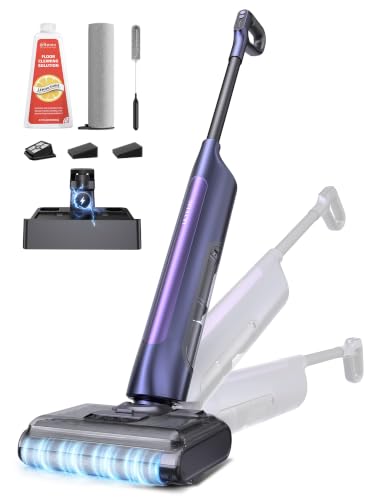
Many versatile cleaners feature foot pedals or handle switches that shut off the rotating brush roll instantly when moving onto bare floors. Advanced multi-surface models pair soft velvet rollers with direct-drive brush assemblies to capture fine powder alongside large crumbs. When tackling high-traffic kitchen tiles or moisture-prone areas, specialized equipment like vacuum mop combos for hard floors can streamline routine maintenance by scrubbing and vacuuming in a single pass. Having the right contact interface between the floorhead and the walking surface prevents unnecessary wear on both your floors and your equipment.
Adjustable floorhead height remains another critical engineering feature for homes with diverse floor coverings. A cleaning nozzle set too low on thick plush carpet chokes airflow and places heavy strain on the drive belt. Conversely, a nozzle set too high loses intimate contact with dirt, leaving grit behind in carpet valleys. Selecting a vacuum with manual or sensor-driven height settings ensures proper airflow geometry across every transition in your home.
Comparing Upright, Canister, Stick, and Handheld Form Factors
Upright vacuum cleaners remain traditional favorites for expansive carpeted spaces because the motor and floorhead sit directly over the cleaning path. This consolidated design directs downward force into carpet pile, maximizing mechanical agitation with minimal user arm strain. Most upright units also feature generous dust capacities, reducing the need for constant emptying during large cleaning sessions. The trade-off is that upright bodies can feel heavy and awkward when navigating tight corners or carrying the machine up flights of stairs.
Canister vacuums separate the heavy motor and dirt container from a lightweight wand and nozzle assembly. This two-piece design allows effortless reach under low furniture, around table legs, and along high window valances. Canisters excel on bare floors and stairs because you only support the weight of the ergonomic wand while the wheeled base rolls behind you. Guiding the rolling body around door frames requires a slight adjustment in handling technique, but the versatility on mixed surfaces is hard to match.
Stick vacuums prioritize speed, agility, and slender vertical storage for active living spaces. Most stick designs place the motor and collection bin near the grip, allowing users to swing the head easily between rooms. While convenient for daily maintenance, stick vacuums generally provide smaller dirt bins and require frequent emptying compared to full-sized units. They serve best as primary cleaners in compact apartments or as supplementary tools for quick daily pickups in larger homes.
Dust Containment: Bagged Versus Bagless Filtration Systems
Deciding between bagged and bagless collection systems represents one of the most important ownership choices. Bagged vacuums route incoming debris into sealed, multi-ply synthetic bags that act as primary filtration barriers. When the bag fills, integrated hygiene collars seal the opening shut, preventing dust plumes from escaping back into the room during disposal. This contained design makes bagged units particularly appealing for households with allergy sufferers or respiratory sensitivities.
Bagless vacuums replace disposable bags with transparent collection bins that utilize cyclonic separation to spin heavy debris away from internal filters. Users appreciate seeing when the bin reaches capacity and avoiding the recurring purchase of replacement bags. Emptying a bagless bin, however, often releases fine dust clouds into the ambient air, which may irritate sensitive individuals. Weighing the ongoing expense of replacement bags against the labor of washing filters clarifies which system fits your routine.
Filtration Standards and the Reality of True HEPA Seals
Indoor air quality concerns lead many homeowners to seek out vacuums with high-efficiency particulate air filtration. A certified HEPA filter captures at least 99.97 percent of microscopic particles down to 0.3 microns in size, including pollen, pet dander, and fine dust. But simply placing a HEPA filter inside an unsealed vacuum housing does not protect indoor air from escaping contaminants. If the surrounding casing lacks airtight seals, air bypasses the filter entirely and escapes through motor seams.
Effective filtration requires a completely sealed vacuum system where all intake air passes through every filter layer before exhausting into the room. Poorly constructed vacuums leak unfiltered exhaust around plastic seams, bin latches, and motor gaskets. Checking for airtight rubber gaskets and sealed housing construction ensures that exhaust air is genuinely cleaner than surrounding room air. Maintaining these filters on schedule prevents airflow restriction and ensures consistent pickup performance over time.
Power Configurations: Corded Endurance Versus Cordless Flexibility
Corded vacuum cleaners draw steady, uninterrupted electricity directly from wall outlets, delivering consistent motor suction for prolonged cleaning sessions. You never have to track remaining battery percentages or cut cleaning short due to depleted cells. This steady power supply allows corded vacuums to support larger, more powerful motors and motorized brush rolls. The primary drawback involves managing power cord slack, searching for available wall outlets, and navigating cord tangles around furniture legs.
Cordless vacuum cleaners utilize rechargeable lithium-ion battery packs to eliminate physical tethering, enabling fast cleanup across entire rooms. Cordless agility encourages frequent spot cleaning, which prevents heavy dirt accumulation across household rugs. Running a cordless machine on maximum boost mode with a motorized floorhead often drains batteries within ten to fifteen minutes. Choosing between corded and cordless models depends on whether you value endless runtime or spontaneous, grab-and-go portability.
Pet Hair Extraction and Fiber Management
Managing pet fur and shedding requires a cleaning system specifically configured to prevent roller tangles and brush clogs. Long pet hair easily wraps around spinning brush roll bearings, increasing motor friction and burning through rubber drive belts. Modern pet-focused vacuum heads incorporate anti-tangle comb teeth or conical roller designs that funnel hair directly into the suction stream. These mechanical innovations reduce the tedious chore of cutting wrapped hair off roller bars with scissors.
Specialized handheld attachments with mini motorized beaters pull embedded fur out of velvet sofas, carpeted stairs, and car upholstery. Standard vacuum suction alone rarely lifts stubborn pet hairs that cling to fabric weave through static cling. For deep set stains or muddy paw prints that dry vacuuming cannot resolve, dedicated machines like carpet extractors for home care provide the fluid injection and extraction needed for thorough deep cleaning. Combining dry hair pickup with targeted wet cleaning keeps pet-friendly households looking and smelling fresh.
Trapped pet hair and organic dander inside vacuum chambers can create unpleasant odors when warm exhaust air blows through the unit. Vacuums featuring activated charcoal pellets inside their exhaust filters help neutralize organic odors between cleanings. Emptying collection bins immediately after vacuuming pet zones further minimizes odor retention inside internal hoses and gaskets. Regular maintenance of rubber seals and brush housings prevents trapped pet dander from accumulating in hidden crevices.
Weight, Maneuverability, and Storage Constraints
A vacuum cleaner that feels excessively heavy or awkward to guide will end up neglected in a storage closet. Upright models often carry substantial overall weight, but their weight rests primarily on rear transport wheels during forward passes. Canister and stick models distribute weight differently, placing varying degrees of physical strain on user wrists and shoulders. Assessing whether you must carry the vacuum up multiple flights of stairs helps narrow down manageable weight limits.
Swivel steering mechanisms allow cleaning heads to pivot sharply around table pedestals and sofa corners with a simple flick of the wrist. Low profile floorheads slide underneath beds, credenzas, and kitchen cabinets without requiring furniture relocation. Testing how easily a vacuum rolls across deep carpet versus bare floors helps identify potential maneuverability friction. Verifying where the vacuum will live between cleanings also prevents storage clutter in utility rooms and hallways.
Routine Maintenance and Troubleshooting Common Suction Drops
Even top-performing vacuum cleaners lose pickup strength when standard maintenance checkpoints are overlooked. The most common culprit behind sudden suction loss is a partial clog located in the flexible hose elbow or wand junction. Inspecting clear access ports and disconnecting modular sections allows quick removal of trapped paper clips, hair wads, or carpet threads. Clearing simple blockages promptly restores standard airflow and prevents undue strain on the motor.
Always unplug corded machines or detach battery packs before inspecting rotating brush assemblies or internal airways. Tangled threads around brush bearings should be snipped along designated guide grooves rather than pulled violently. If a vacuum shuts down unexpectedly during operation, allowing thermal safety sensors to cool for thirty minutes often resets the system after clearing the underlying airflow obstruction. Consulting your product manual for model-specific diagnostic steps ensures you resolve issues safely without voiding warranty coverage.
Practical Framework for Choosing Your Ideal Vacuum
Selecting the right vacuum cleaner requires looking past broad popularity ratings and focusing directly on your living environment. Quantify your flooring ratio between hard surfaces and carpeting, noting whether your carpets have low, medium, or high pile density. Homes dominated by plush rugs require strong motorized brush rolls, while homes with extensive hardwood demand gentle soft rollers and superior bare-floor airflow. Accounting for your predominant floor covering narrows down the necessary nozzle technology immediately.
Next, evaluate your personal physical preferences regarding machine weight, storage availability, and sensitivity to airborne dust. Those dealing with seasonal allergies or frequent pet shedding often achieve cleaner air outcomes with sealed bagged canisters. Busy households needing quick daily cleanup across high-traffic entryways may find a lightweight cordless stick vacuum to be the most practical primary tool. Matching the machine form factor to your daily tolerance for maintenance makes regular cleaning far more manageable.
Answering the question of what cleaning machine works best is about matching mechanical capabilities to your weekly cleaning habits. Investing in a machine built with durable modular components, accessible replacement filters, and dependable manufacturer support ensures years of reliable performance. Taking time to inspect your home layout and debris types ensures a selection that solves real cleaning challenges. By focusing on your specific home requirements, you can select a vacuum cleaner that keeps your living spaces thoroughly clean and comfortable without unnecessary hassle.




Write Your Review
No reviews yet. Be the first to share your experience!