


Living with shedding dogs or cats often turns floor care into a continuous battle against fur tumbleweeds, dander, and trapped carpet debris. While traditional vacuums provide heavy suction for weekend deep cleanings, automated floor cleaners offer consistent daily maintenance to keep hair from accumulating along baseboards and rugs. When evaluating what is the best robot vacuum for pet hair, pet owners must look beyond simple marketing claims and examine mechanical intake designs, filtration systems, and roller configurations. Our detailed guide to bare floors and pet hair highlights how loose fur behaves differently across hardwood planks and plush pile carpets. Understanding these fundamental dynamics ensures you select a robotic cleaner capable of managing shedding without constant human intervention.
Managing heavy shedding requires a machine that does not choke on hairballs or force you to untangle wrapped strands after every cleaning cycle. Robotic cleaners address these challenges through distinct engineering approaches, ranging from all-rubber dual rollers and self-cleaning brush rolls to pure suction ports designed specifically to prevent hair wraps. In addition, dustbin capacity and automatic emptying docks determine whether an automated cleaner genuinely saves time or simply creates another daily chore. By examining motor ratings, allergen filtration, and obstacle detection capabilities, households can determine what is the best robot vacuum for pet hair that aligns with their layout and pets.

Pros
- Self-maintaining dock automates dust bin emptying, 167°F hot-water mop washing, and heated air drying
- Strong 18,500 Pa suction easily handles fine dust, pet hair, and coarse debris like cat litter
- Automatic 10 mm mop lifting keeps carpets and rugs dry during combined vacuum and mopping runs
- All-rubber roller and specialized side brush noticeably reduce routine hair tangle removal
Cons
- Only connects to 2.4 GHz Wi-Fi networks and does not support 5 GHz frequencies
- All-in-one docking station requires dedicated physical floor space and clearance near an outlet
The Roborock Qrevo S Pro is an automated floor-care system engineered for busy households, parents, and pet owners who need consistent vacuuming and mopping across mixed flooring. Combining dry vacuuming with dual rotating mopping pads, this robot cleaner targets routine messes such as tracked-in dust, pet dander, and food crumbs. Its primary appeal lies in its high degree of automation, allowing users to offload daily floor maintenance to a machine that manages its own dust disposal and mop pad maintenance.
Cleaning capability is centered around a manufacturer-specified 18,500 Pa suction motor that pulls debris from hard floor seams, edges, and carpet pile. When transitioning to carpeted areas, the robot applies an automatic carpet strategy that boosts suction for embedded grit while lifting the mopping assembly 10 mm above the floor surface to protect fibers from moisture. For hard floor areas, the dual spinning mops maintain steady contact to wipe down kitchen spills, dried paw prints, and light surface stains using adjustable water flow rates.
Brush maintenance is often a pain point in pet-friendly homes, but the Qrevo S Pro addresses this with a specialized anti-tangle architecture. It features an all-rubber main brush roll, a zero-tangle side brush, and a guarded omnidirectional wheel, all designed to channel hair directly into the suction inlet rather than wrapping tightly around spinning components. At the all-in-one docking base, collected debris is automatically transferred into a sealed 2.7L dust bag capable of storing between 7 and 9 weeks of dry material under typical household conditions.
Navigation and spatial awareness are powered by smart obstacle detection that helps the vacuum identify and steer clear of everyday floor hazards such as shoes, power cords, toys, and chair legs. Measuring 3.8 inches in height, the low-profile robot slides under raised couches, dressers, and beds where dust clusters tend to hide. The integrated Roborock SmartPlan 2.0 AI adjusts cleaning power and route selection according to the specific floor layout and past cleaning history, maintaining an unobtrusive sound profile of approximately 55 dB during standard operation.
Initial setup is straightforward through the companion app, though it strictly requires a 2.4 GHz Wi-Fi network connection. While the dock manages self-emptying, 167°F mop pad washing, and 113°F warm air drying, owners must still periodically handle basic dock upkeep, such as replacing the 2.7L dust bag, filling clean water, and emptying dirty wastewater containers. The physical size of the docking station also demands thoughtful placement with sufficient wall and clearance space in a central room or laundry area.
For homeowners and renters looking to maintain spotless hard floors and fresh carpets without daily intervention, the Roborock Qrevo S Pro represents a dependable, high-convenience investment. Its strong suction, intelligent mop lifting, and self-cleaning dock features provide practical, time-saving value for busy multi-surface homes managing the steady mess of kids and pets.
The all-in-one docking station on the Roborock Qrevo S Pro acts as a comprehensive base designed to reduce manual floor-care chores. Following each cleaning cycle, the dock automatically pulls debris from the robot dustbin into an internal 2.7L sealed bag. This bag design locks in dust and debris while offering enough storage volume to last between 7 and 9 weeks under normal cleaning frequencies, minimizing contact with loose dirt.
Beyond debris containment, the dock actively manages mop hygiene through heated self-cleaning. It washes the dual rotating pads with 167°F hot water to loosen sticky spills and grime gathered from hard floors, followed by 113°F warm air drying. This controlled drying phase prevents persistent dampness and helps eliminate stale odors, ensuring the cleaning pads are dry, fresh, and ready for the next scheduled floor run.
Managing mixed flooring is straightforward thanks to the adaptive carpet handling built into the Roborock Qrevo S Pro. When sensors detect area rugs or wall-to-wall carpeting, the robot automatically engages a 10 mm mop lifting mechanism. This lifts the damp pads clear of low- to medium-pile carpet surfaces, preventing accidental water transfer while simultaneously ramping up suction to extract embedded particles and pet hair from deep within the fibers.
On hard surfaces, the dual spinning mop system works in tandem with the vacuum function to deliver thorough daily maintenance. By distributing a controlled, adjustable flow of water, the pads provide steady friction to tackle dried beverage splashes, pet footprints, and grease near cooking areas. This dual-action approach allows the robot to leave floors refreshed in a single cleaning pass without requiring manual tool swaps.


Pros
- Dual brush rolls combine active carpet agitation with conforming surface pickup for varied debris sizes
- HEPA Sealed Allergen System captures 99.97% of dust and pet dander particles to help maintain indoor air quality
- Lift-Off detachable canister pod simplifies cleaning stairs, landings, and hard-to-reach areas
- Bright FurFinder LED headlights reveal fine pet hair and crumbs blending into floor surfaces
- Self-cleaning roller design minimizes tedious hair tangles around the agitators
Cons
- Dry vacuum only with no support for wet spills or liquid carpet extraction
- Specific dust cup capacity and cord length are not provided in the manufacturer specifications
- Dual-roller cleaning heads require occasional visual inspection to prevent foreign debris blockages
The Bissell Pet Hair Eraser DualBrush Upright Vacuum (model 42946) is a dry upright cleaner tailored for pet owners, busy family homes, and multi-surface households dealing with persistent shedding and scattered debris. By integrating a dual brush roll system into an upright frame equipped with a detachable Lift-Off canister, it addresses standard floor cleaning as well as elevated areas like staircases without the need for multiple separate machines.
Debris removal relies on Bissell's DualBrush system, which employs two synchronized rollers to manage dirt across different floor types. One roller provides active agitation to pull embedded pet hair and tracked-in soil from carpet fibers, while the second conforming roller sweeps in fine dust and larger particles from floor surfaces. The integrated DualBrush self-cleaning technology actively resists hair wrap, significantly reducing the chore of cutting bound strands from the brush head.
Air filtration is managed by an onboard HEPA Sealed Allergen System. According to manufacturer specifications, this fully sealed system traps and locks 99.97% of dust and dander allergens inside the machine rather than exhausting them back into living spaces. For households with shedding pets or family members sensitive to airborne dust, this containment ensures that collected debris stays securely within the canister.
Usability is enhanced by the modular Lift-Off pod and integrated FurFinder headlights. Releasing the canister allows users to carry the lightweight pod comfortably when vacuuming stairs or clearing high-up cobwebs. Down at the floorhead, bright LED headlights illuminate low-contrast pet fur and crumbs that often go unnoticed on light or dark flooring. Routine maintenance is straightforward, focusing on periodic bin emptying and filter upkeep according to manufacturer recommendations.
While highly practical for everyday messes, this unit is engineered strictly for dry floor care and cannot vacuum wet spills or wash carpets. The upright frame has listed dimensions of 11.97 by 15.38 by 44.76 inches and a weight of 5.25 pounds, though secondary specifications like exact cord reach and bin volume are not published. Users should also gauge roller contact on extra-thick area rugs to maintain smooth maneuverability.
For pet parents seeking targeted shedding control and allergen management, the Bissell DualBrush 42946 delivers dependable mechanical agitation and sealed filtration. Its portable Lift-Off functionality makes above-floor tasks convenient, making it a reliable upright vacuum for active homes requiring consistent cleaning performance.
The cleaning head on the Bissell 42946 utilizes DualBrush Technology, combining two rollers designed to work simultaneously on messes of all sizes. The first roller provides continuous agitation to loosen hair and dirt lodged deep within carpets, while the secondary roller conforms to surfaces to capture fine dust and loose kibble.
Both rollers benefit from Bissell's self-cleaning brush roll design, which helps prevent long pet fur and human hair from wrapping tightly around the roller cores. Additionally, the integrated FurFinder headlights project focused illumination across the floor, making low-lying pet hair visible in dim hallways and under furniture edges.
The Bissell Pet Hair Eraser DualBrush includes a HEPA Sealed Allergen System designed to prevent fine particles from bypassing the internal collection chamber. The manufacturer notes that this sealed construction traps and locks 99.97% of dust and pet dander allergens inside the vacuum.
Unlike non-sealed vacuums that can leak microscopic debris through seams and exhaust vents, this sealed system ensures that captured allergens remain contained during operation, supporting cleaner exhaust air in homes with multiple shedding pets.


Pros
- Lift-Off pod detaches easily to make cleaning stairs and upholstery significantly more manageable
- HEPA sealed construction prevents fine dust and pet allergens from blowing back into living areas
- Tangle-free brush system reduces routine maintenance hassles associated with long pet hair
- Scatter-free engineering allows direct transition from carpeted areas to hard floors without spraying debris
Cons
- At 15.7 pounds, the full upright machine can feel noticeably heavy during extended push-and-pull vacuuming
- The 1-liter dirt bin may require multiple trips to the trash during heavy seasonal shedding in larger spaces
- Designed strictly for dry vacuuming and does not support wet mess pickup or liquid extraction
The Bissell Pet Hair Eraser Allergen Lift-Off (model 39883) is a dual-configuration upright vacuum built primarily for pet owners, busy families, and allergy-conscious households. It bridges the gap between a high-capacity floor machine and a portable canister cleaner. By combining traditional upright stability with a detachable Lift-Off pod, this vacuum targets consumers who want comprehensive floor care without purchasing a separate handheld or stick machine for elevated spots.
In real-world use, this machine is dedicated strictly to dry debris collection, pet fur management, and fine dust removal. The cleaning head incorporates Bissell's Scatter-Free Technology, which helps keep loose kibble, crumbs, and litter from flinging backward when transitioning onto hard surfaces. For pet owners dealing with continuous shedding, the brush roll is designed to resist hair wrap, directing strands straight into the air path instead of tangling tightly around the spindle.
Filtration and build quality are tailored for indoor air preservation. The unit features a HEPA sealed allergen system designed to keep captured particles safely locked inside the machine rather than exhausting them back into the room. Weighing in at 15.7 pounds and measuring 12.94 by 11.93 by 44.65 inches, the chassis provides solid floor presence, while the 1-liter Easy Empty dirt cup uses a simple single-button release to drop collected pet hair and dust straight into the trash.
Setup and attachment management are straightforward. When it is time to vacuum a carpeted staircase, couch cushions, or high window frames, a release latch separates the central canister pod from the main floorhead. Connecting either the included TurboEraser Pet Tool or the 2-in-1 Dusting Brush/Crevice Tool to the quick-release extension wand allows targeted cleaning in narrow crevices and vehicle interiors without wrestling the entire 15.7-pound frame.
Prospective buyers should keep practical limitations in mind. The vacuum is not designed for wet pickup or liquid extraction, so damp spills still require a mop or spot extractor. Additionally, while the 1-liter tank holds a respectable volume of dirt, large homes with multiple heavily shedding dogs or cats may find the container fills quickly, requiring frequent trips to empty the bin.
For households seeking a dependable, multi-surface upright with strong allergen containment and convenient stair versatility, the Bissell Pet Hair Eraser Allergen Lift-Off stands as a capable floor-care solution. Its blend of anti-tangle agitation, sealed HEPA air management, and lift-away convenience makes it a well-rounded contender for routine home cleaning.
The Bissell Pet Hair Eraser Allergen Lift-Off incorporates a HEPA sealed allergen system designed specifically for homes sensitive to environmental particles. Rather than allowing fine dust to seep through seams or filter housings, the sealed structure channels air through high-efficiency media to trap dust and pet dander inside.
This containment approach is particularly beneficial for pet owners and allergy-aware individuals who want to minimize the recirculation of airborne particles during routine vacuuming. Regular inspection and proper reseating of the filter elements ensure the sealed pathway maintains its protective barrier over time.
Versatility is the primary advantage of the Lift-Off modular design. Releasing the central pod allows users to carry the motor and dirt bin independently, transforming a full-sized upright into a manageable cleaning pod for stairs, mattresses, and vehicle seats.
The package includes a TurboEraser Pet Tool, which utilizes internal agitation to draw stubborn fur out of upholstery fibers, alongside a 2-in-1 Dusting Brush and Crevice Tool that quickly snaps onto the extension wand for tight corners and baseboards.

Pros
- Brushless, tangle-free suction design eliminates hair wrapping and reduces maintenance for pet owners
- Impressive manufacturer-stated 5200Pa suction across three adjustable power settings
- Slim 2.99-inch height fits easily under low coffee tables, dressers, and couches
- Smart control options include companion smartphone app scheduling plus Alexa and Google Assistant voice commands
- Four-stage electronic water control allows tailored mopping moisture on hard floors
Cons
- Not suitable for medium- or high-pile carpeting; performance is restricted to hard floors, wood, and low-pile rugs
- Relies on bump-and-sensor navigation rather than advanced LiDAR room mapping or designated virtual no-go zones
- Specific dust bin and water tank capacities are not listed in fluid or volume metrics by the manufacturer
The ROPVACNIC Robot Vacuum and Mop Combo (Model S1) is an automated 2-in-1 floor-care machine designed for routine multi-surface upkeep in busy American households. Engineered primarily for apartment dwellers, pet owners, and homeowners managing wood and hard surfaces alongside low-pile rugs, this unit tackles everyday dust, pet shedding, and minor floor spots without requiring manual push-vacuuming. Its combination of wet mopping and vacuuming makes it an appealing option for budget-conscious buyers seeking an entry-level robotic helper for daily maintenance.
In real-world cleaning situations, this robot addresses daily debris using a 3-point cleaning system and a manufacturer-rated 5200Pa of suction across three selectable power stages. Instead of relying on a traditional bristled roller, the machine uses a direct, no-entanglement suction inlet flanked by dual rotating electric side brushes. This direct-suction approach is specifically intended to channel dog and cat hair, crumbs, and tracked-in grit directly into the suction path without wrapping around an agitator bar. Simultaneously, the electronically controlled water tank offers a four-stage personalized water adjustment system, allowing users to dial in light dampness for dust removal or slightly heavier moisture for minor sticky spots on wood and tile-like hard surfaces.
From a structural standpoint, the robot features a remarkably low-profile build measuring 12 by 12 inches with a height of only 2.99 inches, weighing approximately 7.28 pounds in a light black housing. This compact chassis allows it to clear low-hanging furniture, including bed frames, sideboards, and living room couches, where dust bunnies and pet fur often accumulate out of reach. The underside houses dual motorized side brushes designed to reach along baseboards, while the mopping plate attaches smoothly to the base. It comes paired with a compact charging dock to which the robot autonomously returns whenever cleaning concludes or battery replenishment is needed.
Setting up the unit is straightforward, involving app pairing for smartphone scheduling and connecting to voice platforms such as Amazon Alexa or Google Assistant. Maintenance is noticeably lower on the vacuuming side because the absence of a brush roll eliminates the tedious task of cutting away wound-up pet hair with scissors. Users simply empty the internal dry debris container, wipe the drop and bumper sensors periodically, and clear occasional threads from the twin side sweepers. When utilizing the mopping function, routine maintenance involves filling the onboard water reservoir with clean tap water, dampening and securing the mop pad, and washing the cloth pad thoroughly after each cleaning run to avoid stale odors.
Despite its practical advantages, this model has natural operational boundaries. Because it relies on high-coverage sensor algorithms and directional obstacle detection rather than overhead laser LiDAR or optical camera mapping, it cleans in semi-random or reactive patterns and lacks customized virtual boundary lines or selective room targeting. Furthermore, surface compatibility is strictly limited to wood, hard floors, and low-pile carpets; it is not suited for medium- or high-pile carpeting, shag rugs, or unlevel thresholds. The lack of an auto-lifting mop plate also means users should remove the mopping bracket before sending the machine across area rugs to prevent wetting carpet fibers.
For homeowners, renters, and pet owners looking for a budget-friendly automated floor cleaner that tackles daily pet hair without brush-roll tangles, the ROPVACNIC Robot S1 offers reliable utility. While it does not replace a heavy-duty upright extractor or a laser-guided premium robot for deep restorative carpet cleaning, its solid 5200Pa suction rating, slim clearance, and adjustable electronic mopping deliver sensible, hands-free cleanliness across daily hard-surface living areas.
The ROPVACNIC S1 addresses pet hair challenges through a specialized roller-free suction opening rather than a standard spinning brush roll. Traditional vacuum agitator bars tend to collect tightly bound fur, requiring frequent manual intervention and cutting. By pairing a direct suction throat with dual rotating electric side brushes, this cleaner channels stray hairs, dander, and food crumbs straight toward the collection bin, minimizing maintenance hassles for dog and cat households.
Backed by a manufacturer-rated 5200Pa suction profile across three adjustable levels, the unit supplies substantial lift for hard floors, wood surfaces, and low-pile area rugs. Users can select higher suction stages for high-traffic entryways or pet resting zones, ensuring small debris and dry spills are swept clean from perimeter baseboards and tight floor corners.
Equipped with a 2-in-1 mopping module, the ROPVACNIC Robot S1 actively manages floor hydration via an electronically controlled high-capacity water reservoir. Unlike passive gravity-fed drip mops, the electronic system features four personalized water-flow adjustment stages. This granular control allows users to match moisture dispersion to their specific hard-floor conditions, avoiding puddling on sealed wood while delivering sufficient wetness to lift fresh footprints and light dirt.
To maintain optimal results on hard surfaces, the mopping pad should be laundered after every cleaning session, and water should be emptied between cycles. Because the vacuum does not automatically detect carpets to lift its mop plate, damp mopping is best restricted to entirely hard-surface areas like kitchens, hallways, and living rooms with wood flooring.


Evaluating Robotic Cleaners for Homes with Pets
Determining %what is the best robot vacuum for pet hair% requires understanding how automated intake mechanisms interact with different hair lengths, pet dander, and floor textures. A robot vacuum operating in a pet-friendly home faces significantly higher debris volume and mechanical strain than one running in a standard household. Long strands of canine hair wrap around spinning axles, while fine feline undercoats quickly clog small internal intake ducts and pleated filters. Success comes down to selecting an intake architecture, filtration tier, and navigation setup suited to your specific floor surfaces and animal shedding patterns.
Direct Suction Ports Versus Motorized Brush Rollers
Robotic vacuum manufacturers address hair pickup through two distinct base configurations: direct suction slots and motorized agitating brush rolls. Direct suction designs, found on models like the Lefant M210 Pro and ROPVACNIC S1, eliminate the central spinning roller entirely. Instead, motorized side brushes sweep loose fur toward a narrow open throat connected straight to the internal impeller motor. This configuration provides a distinct advantage on hardwood and tile because pet hair passes directly into the dust cup without encountering an axle or bristles where tangles normally develop.
While direct suction ports excel on smooth flooring and require minimal roller maintenance, they lack mechanical agitation for carpeted spaces. Motorized brush rolls use stiff bristles or rubber fins to dig into carpet fibers and lift deeply embedded fur that air suction alone cannot dislodge. Pet owners with wall-to-wall carpeting or thick area rugs generally require motorized agitation to release trapped pet hair from carpet backing. The key trade-off involves routine maintenance, as standard bristle rollers collect tight hair coils around their center shafts that demand frequent manual cutting and extraction.
Rubber Rollers and Anti-Tangle Brush Roll Designs
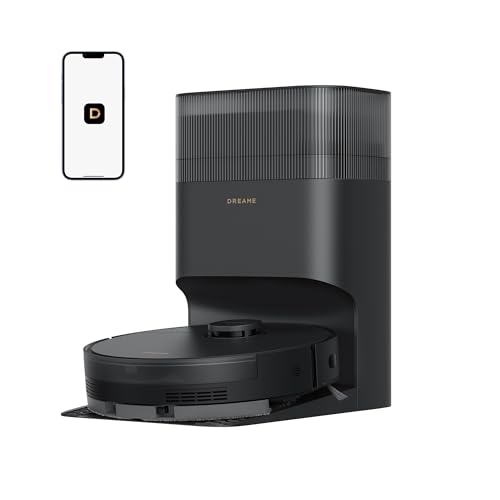
To combine carpet agitation with tangle resistance, several modern robotic cleaners employ specialized all-rubber rollers or counter-rotating dual-roller systems. Units such as the roborock Qrevo S Pro and dreame D20 Plus feature flexible rubber fins rather than traditional fiber bristles. The smooth rubber surface prevents strands of fur from anchoring tightly around the roller cylinder during high-speed rotation. Instead, centrifugal force and continuous airflow guide long pet hair toward the edges or directly into the vacuum suction chamber.
Dual-roller designs and self-cleaning brush heads use integrated comb teeth or counter-directional shearing forces to loosen tangled strands as the vacuum runs. Shark and iRobot incorporate specialized roller geometry and grooved channels engineered to actively guide wrapped pet fur toward the high-velocity air stream. While no motorized brush roll is completely immune to tangled long hair, rubber designs significantly reduce the frequency of manual unclogging. Pet owners should inspect roller end caps periodically, as stray hair frequently migrates into the drive bearings where friction can cause motor overheating.
Interpreting Suction Ratings and Real-World Airflow
Manufacturer specifications for robotic cleaners frequently emphasize suction power measured in Pascals (Pa), with ratings spanning from 4,000 Pa up to 18,500 Pa across available models. While higher Pascal numbers indicate greater static pressure generated by the vacuum motor, static suction alone does not guarantee superior pet hair removal. Practical cleaning performance depends heavily on floorhead seal quality, airflow volume measured in cubic feet per minute, and how close the intake sits to the floor surface. A robot with moderate suction and an effective floorhead seal can outperform a high-pressure model that leaks air around its perimeter.
Higher suction modes also demand substantially more power from the onboard lithium-ion battery, which noticeably reduces runtime across large floor plans. Many automated cleaners feature intelligent carpet detection sensors that run the motor on quiet or standard power across hard floors, then automatically boost suction when crossing onto rugs. This adaptive approach preserves battery life while delivering maximum airflow exactly where dense pet hair clings to carpet pile. Understanding these airflow dynamics helps clarify %what is the best robot vacuum for pet hair% across mixed-surface homes.
Self-Emptying Docking Stations and Dust Storage Volume
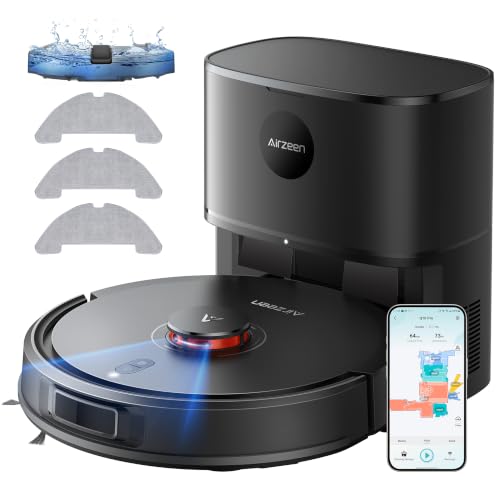
Onboard robotic dustbins generally offer limited capacities between 300 and 500 milliliters, which can fill rapidly during seasonal pet shedding. A standard dustbin packed with dense fur reduces internal airflow and prevents the vacuum from picking up additional debris during its cleaning run. Self-emptying charging bases resolve this bottleneck by utilizing high-powered dock motors to pull debris out of the robot and into a sealed storage container. Systems from Airzeen, dreame, and iRobot provide docking stations with multi-liter capacities that hold pet hair for weeks or months without user intervention.
Docking bases rely on either disposable multi-layer bags or cyclonic bagless canisters to collect accumulated pet debris. Sealed allergen bags prevent dust clouds and dander from escaping into room air when emptying the dock, making them particularly beneficial for households sensitive to pet allergens. Bagless docks eliminate the ongoing cost of replacement bags, but dumping compacted fur and dander into a household trash can may release airborne particles. Choosing between these collection methods depends on whether your household prioritizes ongoing operating convenience or allergen isolation.
Filtration Systems and Pet Dander Containment
Pet hair represents only the visible portion of household pet debris, while microscopic dander, dried saliva particles, and tracked-in pollen present invisible air quality challenges. High-efficiency particulate air (HEPA) filters capture microscopic particles down to 0.3 microns, trapping allergens rather than blowing them back into your living space. Sealed filtration designs ensure that intake air passes entirely through the filter media without leaking out around plastic bin seals or motor vents. When evaluating robotic cleaners, checking for certified high-efficiency filters helps ensure that daily pet cleanup actually improves indoor air quality.
Pleated filters on robotic vacuums require consistent maintenance because fine pet dander quickly cakes across the delicate filter fibers. A clogged filter restricts airflow, which places extra strain on the vacuum motor and drastically lowers suction performance at the floorhead. Many manufacturers include washable sponge pre-filters that capture larger dust clumps before they reach the fine pleated element. Always ensure washable filter components dry completely for at least twenty-four hours before reinstalling them, as damp filters can foster mildew growth and damage internal electronics.
Navigation Technology and Pet Hazard Obstacle Avoidance
Navigation capability dictates whether a robotic vacuum cleans an entire home methodically or gets trapped repeatedly on pet toys and household clutter. Basic robotic models utilize bumper switches and infrared sensors to follow random bounce or zig-zag patterns across open spaces. While infrared sensors prevent falls down staircases, they often fail to detect thin power cords, pet dishes, or plush toys left on the floor. More advanced cleaners utilize light detection and ranging (LiDAR) lasers to generate precise millimeter-level maps of room layouts.
Modern artificial intelligence and optical camera systems enhance navigation by identifying specific low-profile objects directly in the robot path. For pet owners, robust obstacle avoidance is essential to prevent catastrophic encounters with pet waste, spilled water bowls, and tangled chew ropes. Cleaners with LiDAR mapping allow users to draw custom no-go zones around pet feeding stations or litter box areas through smartphone applications. Establishing virtual boundaries ensures the cleaner gathers loose fur around pet zones without bumping bowls or scattering dry kibble across hard floors.
Hybrid Mopping Performance on Pet Messes and Hard Floors
Many current robotic vacuums combine vacuuming suction with automated mopping pads to address dried muddy paw prints and light floor smudges. Models like the roborock Qrevo S Pro and Roomba 115X Combo feature motorized spinning mop pads or high-frequency scrubbing plates that lift surface stains. Electronically controlled water pumps allow users to regulate moisture output, ensuring delicate hardwood floors receive only light dampness while tile receives thorough cleaning. This dual-action capability helps keep hard floor entryways clean after pets return from outdoor walks.
Mopping attachments introduce unique operational challenges in homes with mixed flooring, as wet pads should never drag across carpeted rooms. Advanced hybrid cleaners feature automatic mop lifting mechanisms that raise wet pads several millimeters when carpet sensors detect rugs. Other models rely on software-based no-mop boundaries to keep the robot on hard floors while the water reservoir and pad remain attached. Pet owners should clean and dry mopping pads promptly after cleaning sessions to prevent sour odors and bacterial growth inside the damp microfiber fabric.
Essential Maintenance Procedures for Pet-Friendly Robots
Operating a robotic cleaner in a pet-heavy home requires a regular maintenance routine to maintain motor efficiency and prevent premature hardware failure. Even models equipped with anti-tangle rubber rollers accumulate hair fibers around the roller drive sockets and removable end caps. Users should unclip the brush roll guard weekly, slide the roller out of its housing, and inspect the side bearings for compacted fur. Allowing hair coils to build up inside drive bearings increases friction, which drains battery life and can melt plastic bearing retainers.
Side sweeper brushes also require regular inspection, as long animal hair often wraps tightly around the rotating brass motor post beneath the brush arm. In addition, pet dander and dust create a hazy film over cliff sensors, wall-following optical sensors, and docking charging contacts. Wiping these sensors gently with a dry microfiber cloth ensures the robot maintains accurate orientation and docks reliably after cleaning runs. Consulting your specific model manual provides exact instructions for disassembling brush housings safely without voiding manufacturer warranties.
Complementary Cleaning Tools for Heavy Shedding Households
While robotic cleaners provide excellent daily maintenance, they are designed to supplement rather than completely replace deep-cleaning floor equipment. Robot vacuums possess compact dust paths and battery-powered motors that excel at picking up loose surface tumbleweeds before they settle deep into carpet fibers. However, thick plush carpets and heavily trodden rugs often require the higher airflow and aggressive agitation found in dedicated stick vacuums for carpets to pull deeply embedded fur from the backing.
Similarly, furniture upholstery, carpeted staircases, and tight baseboard corners remain out of reach for circular robotic floor cleaners. Homes with multiple long-haired pets frequently rely on traditional corded bagless upright vacuums or detachable canisters with specialized pet upholstery tools for seasonal deep cleans. Combining the automated daily schedule of a robotic cleaner with weekly upright vacuuming keeps total pet hair levels manageable throughout the entire home. This balanced approach extends the operational life of your robotic cleaner while preserving pristine carpets and indoor air quality.
Matching Robotic Features to Your Pet and Household Needs
Choosing the right automated floor cleaner ultimately depends on your specific balance of pet breeds, floor surfaces, and household layout. Homes featuring predominantly hard floors with short-haired cats or dogs often thrive with straightforward direct-suction robots that eliminate brush roll detangling entirely. Conversely, households with heavy double-coated dogs and mixed carpeting require high-torque rubber rollers, advanced carpet-boost suction, and large self-emptying docking bases. Investing in automated emptying bases proves particularly worthwhile for pet owners who travel frequently or work long hours outside the home.
Carefully assessing obstacle navigation and noise output also ensures your pets remain calm while the robotic vacuum operates. Quieter cleaning modes running near fifty-five decibels prevent skittish animals from becoming stressed during scheduled cleaning runs. Meanwhile, LiDAR mapping and optical avoidance systems protect both your pet gear and the cleaner from unexpected floor hazards. By prioritizing intake mechanics, reliable filtration, and practical dock storage, you can select an automated floor cleaner that effortlessly manages everyday shedding.







Write Your Review
No reviews yet. Be the first to share your experience!