


Keeping Automated Floor Care Fresh and Odor-Free
Daily dust accumulation and damp mop pads can quickly turn a self-empty dock into a source of unpleasant household odors. When pet hair, kitchen crumbs, and wet debris sit in an unsealed container, bacteria and mildew generate stale smells that drift across your living spaces. Selecting the best robot vacuum with anti odor dock resolves this frustration by combining automated floor cleaning with sealed dust containment and heated air drying. Today, modern self emptying robot vacuums actively wash spinning pads with heated water and dry them completely after every single cleaning cycle.
To help you select the ideal model for your layout, this guide evaluates leading options using manufacturer specifications, published suction figures, filtration claims, and dock sanitation features. Balancing strong suction with dock maintenance features ensures your robot tackles stubborn debris while preventing musty odors from developing in the base station. Matching these dock technologies to your specific floor types and pet needs keeps your home fresh without requiring tedious everyday upkeep.

Pros
- Self-maintaining dock automates dust bin emptying, 167°F hot-water mop washing, and heated air drying
- Strong 18,500 Pa suction easily handles fine dust, pet hair, and coarse debris like cat litter
- Automatic 10 mm mop lifting keeps carpets and rugs dry during combined vacuum and mopping runs
- All-rubber roller and specialized side brush noticeably reduce routine hair tangle removal
Cons
- Only connects to 2.4 GHz Wi-Fi networks and does not support 5 GHz frequencies
- All-in-one docking station requires dedicated physical floor space and clearance near an outlet
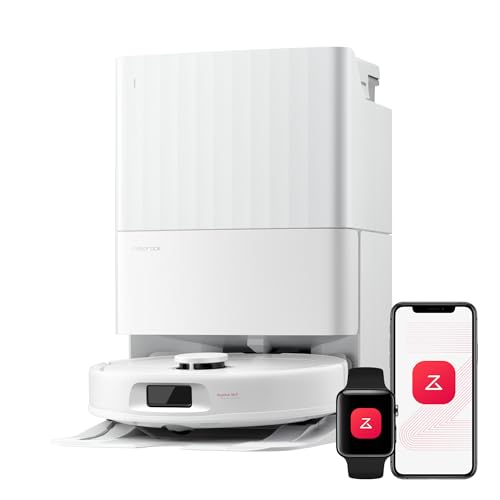
The Roborock Qrevo S Pro is an automated floor-care system engineered for busy households, parents, and pet owners who need consistent vacuuming and mopping across mixed flooring. Combining dry vacuuming with dual rotating mopping pads, this robot cleaner targets routine messes such as tracked-in dust, pet dander, and food crumbs. Its primary appeal lies in its high degree of automation, allowing users to offload daily floor maintenance to a machine that manages its own dust disposal and mop pad maintenance.
Cleaning capability is centered around a manufacturer-specified 18,500 Pa suction motor that pulls debris from hard floor seams, edges, and carpet pile. When transitioning to carpeted areas, the robot applies an automatic carpet strategy that boosts suction for embedded grit while lifting the mopping assembly 10 mm above the floor surface to protect fibers from moisture. For hard floor areas, the dual spinning mops maintain steady contact to wipe down kitchen spills, dried paw prints, and light surface stains using adjustable water flow rates.
Brush maintenance is often a pain point in pet-friendly homes, but the Qrevo S Pro addresses this with a specialized anti-tangle architecture. It features an all-rubber main brush roll, a zero-tangle side brush, and a guarded omnidirectional wheel, all designed to channel hair directly into the suction inlet rather than wrapping tightly around spinning components. At the all-in-one docking base, collected debris is automatically transferred into a sealed 2.7L dust bag capable of storing between 7 and 9 weeks of dry material under typical household conditions.
Navigation and spatial awareness are powered by smart obstacle detection that helps the vacuum identify and steer clear of everyday floor hazards such as shoes, power cords, toys, and chair legs. Measuring 3.8 inches in height, the low-profile robot slides under raised couches, dressers, and beds where dust clusters tend to hide. The integrated Roborock SmartPlan 2.0 AI adjusts cleaning power and route selection according to the specific floor layout and past cleaning history, maintaining an unobtrusive sound profile of approximately 55 dB during standard operation.
Initial setup is straightforward through the companion app, though it strictly requires a 2.4 GHz Wi-Fi network connection. While the dock manages self-emptying, 167°F mop pad washing, and 113°F warm air drying, owners must still periodically handle basic dock upkeep, such as replacing the 2.7L dust bag, filling clean water, and emptying dirty wastewater containers. The physical size of the docking station also demands thoughtful placement with sufficient wall and clearance space in a central room or laundry area.
For homeowners and renters looking to maintain spotless hard floors and fresh carpets without daily intervention, the Roborock Qrevo S Pro represents a dependable, high-convenience investment. Its strong suction, intelligent mop lifting, and self-cleaning dock features provide practical, time-saving value for busy multi-surface homes managing the steady mess of kids and pets.
The all-in-one docking station on the Roborock Qrevo S Pro acts as a comprehensive base designed to reduce manual floor-care chores. Following each cleaning cycle, the dock automatically pulls debris from the robot dustbin into an internal 2.7L sealed bag. This bag design locks in dust and debris while offering enough storage volume to last between 7 and 9 weeks under normal cleaning frequencies, minimizing contact with loose dirt.
Beyond debris containment, the dock actively manages mop hygiene through heated self-cleaning. It washes the dual rotating pads with 167°F hot water to loosen sticky spills and grime gathered from hard floors, followed by 113°F warm air drying. This controlled drying phase prevents persistent dampness and helps eliminate stale odors, ensuring the cleaning pads are dry, fresh, and ready for the next scheduled floor run.
Managing mixed flooring is straightforward thanks to the adaptive carpet handling built into the Roborock Qrevo S Pro. When sensors detect area rugs or wall-to-wall carpeting, the robot automatically engages a 10 mm mop lifting mechanism. This lifts the damp pads clear of low- to medium-pile carpet surfaces, preventing accidental water transfer while simultaneously ramping up suction to extract embedded particles and pet hair from deep within the fibers.
On hard surfaces, the dual spinning mop system works in tandem with the vacuum function to deliver thorough daily maintenance. By distributing a controlled, adjustable flow of water, the pads provide steady friction to tackle dried beverage splashes, pet footprints, and grease near cooking areas. This dual-action approach allows the robot to leave floors refreshed in a single cleaning pass without requiring manual tool swaps.


Pros
- Bagless self-emptying base avoids the recurring cost of proprietary disposal bags
- True HEPA dock filtration captures fine dust, dander, and allergens down to 0.3 microns
- 360-degree LiDAR navigation operates reliably in both daylight and dark rooms
- Matrix Clean multi-pass pattern delivers thorough coverage on high-traffic floor areas
- Up to 120-minute runtime with automated Recharge and Resume for whole-home coverage
Cons
- Bagless canister dumping can disperse airborne dust if emptied quickly indoors
- Operates as a dry-only robot vacuum without wet mopping or liquid scrubbing features
- At 4.1 inches tall, the top LiDAR dome may restrict clearance under low couches or cabinets
The Shark AV2501S AI Ultra Robot Vacuum is an automated dry-floor cleaner designed for busy households, active pet owners, and multi-surface homes requiring hands-off daily maintenance. Equipped with a self-emptying base that stores debris for up to 30 days, this model addresses the common chore of constantly dumping miniature on-board robot bins. For homeowners with shedding pets or high-traffic entryways, having an automated machine that docks and self-clears debris brings meaningful convenience to standard cleaning routines.
Under the hood, Shark utilizes a multi-surface cleaning system engineered to pick up dirt and debris across all floor types. Rather than relying on a single straight-line pass, the manufacturer integrates Matrix Clean Navigation, which commands the robot to vacuum in a precise grid pattern, passing over messes multiple times. Coupled with Shark suction and a self-cleaning brushroll designed to actively shed pet hair, the vacuum is configured to manage fine dust, dander, and tracked-in grit without requiring immediate manual intervention after every run.
A primary highlight of this system is the bagless, self-emptying base station. Unlike competing designs that rely on recurring purchases of disposable dock bags, this station uses an easy-dump collection bin paired with true HEPA filtration. Shark claims the base filter captures and seals 99.97% of dust and allergens down to 0.3 microns, which makes it particularly attractive for allergy-conscious households. Measuring 13.7 inches wide by 4.1 inches tall and weighing 14.42 pounds as a total package, the hardware feels solid, though the 4.1-inch clearance requires some planning around low couches and bed frames.
Day-to-day operation is coordinated by 360-degree LiDAR vision, which quickly maps the home and navigates around everyday obstacles in bright daylight or total darkness. Through Wi-Fi pairing with Amazon Alexa or Google Assistant, users can initiate on-demand sessions or schedule daily cycles. The onboard battery supports up to 120 minutes of runtime, and when the battery depletes mid-cycle, the Recharge and Resume protocol sends the unit back to the dock before returning to complete the unfinished zones. Maintenance involves periodically washing the bagless canister, checking the side brushes, and servicing the washable base filters.
While the automated emptying dock saves considerable time, the bagless mechanism means dumping the collection canister can occasionally disperse a small puff of dust, which might bother sensitive users. In addition, this model is purely a dry robot vacuum; it does not support wet mopping, liquid extraction, or scrubbing. Homeowners with exceptionally low furniture should also verify vertical clearance, as the top-mounted LiDAR dome increases total robot height compared to non-mapping or camera-only alternatives.
For households seeking reliable automated vacuuming without ongoing consumable bag costs, the Shark AV2501S AI Ultra represents a strong balance of navigation intelligence and debris management. Its combination of methodical matrix grid cleaning, pet-hair-focused brush design, and HEPA-filtered self-emptying makes it a dependable choice for keeping both carpet and hard floors consistently tidy between deeper cleaning sessions.
The Shark AV2501S utilizes 360-degree LiDAR vision to scan and map floor plans accurately upon its initial cleaning runs. Because LiDAR relies on light detection and ranging rather than optical cameras, the vacuum navigates effectively in both well-lit rooms and total darkness without losing its spatial coordinates.
In addition to basic pathing, Shark equips this model with Matrix Clean Navigation. Instead of a single back-and-forth track, the robot can execute overlapping passes in a grid pattern. This methodical coverage helps ensure that high-traffic corridors, entryways, and pet resting zones receive focused vacuum agitation rather than quick, single sweeps.
Pet hair management is a core design focus for the Shark AI Ultra system. The robot features a self-cleaning brushroll engineered to clear hair wrap during operation, minimizing the chore of cutting tangled pet fur off the roller bar between cleaning cycles.
Complementing the brushroll is the self-empty base station equipped with true HEPA filtration. The manufacturer states that this filtration setup captures 99.97% of dust and allergens down to 0.3 microns, trapping fine dander and tracked-in outdoor particles inside the sealed dock rather than recirculating them into living spaces.


Pros
- Self-emptying RockDock Plus provides up to 7 to 9 weeks of hands-free dry debris management using a sealed 2.7L bag.
- Manufacturer-rated 10,000Pa suction delivers strong pickup power on carpets and hard-to-reach perimeter edges.
- JawScrapers roller and anti-tangle side brush significantly reduce the chore of cutting wrapped pet hair.
- PreciSense LiDAR creates precise room layouts for reliable navigation, boundary setting, and scheduled room cleans.
- Combines vacuuming and mopping in one pass with three adjustable water delivery levels.
Cons
- Requires ongoing replacement purchases of 2.7L disposable dust bags for the self-empty base.
- Compatible only with 2.4GHz Wi-Fi networks and will not pair over dedicated 5GHz bands.
- Mopping functionality still requires manual water tank refills and pad cleaning between runs.
The Roborock Robot Vacuum and Mop with self-emptying base is an automated floor-care appliance designed for busy households, pet owners, and multi-surface residences. Featuring simultaneous vacuuming and damp mopping, this robot addresses routine dust accumulation on hard surfaces while tackling tracked-in grit and pet hair on carpeting. The combination of high-capacity auto-emptying and precision navigation makes it an attractive tool for anyone looking to reduce daily floor maintenance chores without sacrificing consistent floor-level cleanliness.
In terms of debris pickup, the unit relies on a manufacturer-specified 10,000Pa HyperForce suction system configured to lift embedded dirt from carpets and clear dust along baseboard edges. Agitation is managed by a dual anti-tangle setup that incorporates a JawScrapers main brush and a specialized side brush intended to prevent hair wrapping from both human and pet hair. For surface washing, the integrated mopping system provides three distinct water flow settings, allowing users to tailor liquid levels according to specific hard floor needs while picking up fine residue that standard dry vacuuming might leave behind.
The core of this system's convenience lies in the RockDock Plus auto-empty station, which houses a 2.7L sealed dust bag. Roborock states that this dock provides up to 7 to 9 weeks of hands-free dirt collection by automatically evacuating debris from the robot after scheduled runs. The sealed bag format helps contain pet hair, dander, and fine dust during transfers, avoiding the messy dust clouds often associated with dumping handheld dustbins directly into household trash cans.
Intelligent guidance is driven by PreciSense LiDAR navigation, which rapidly scans rooms to create precise digital layouts of the home. Operating over a standard 2.4GHz Wi-Fi connection, the Roborock smartphone app allows homeowners to designate customizable no-go zones, initiate targeted spot cleaning, schedule routine passes, and observe live battery or cleaning metrics. Voice assistant compatibility is also included, letting users command basic cleaning cycles hands-free without opening the mobile software.
Despite its strong automation capabilities, prospective buyers should evaluate a few operational boundaries. While the dock manages dry debris for extended periods, the damp-mopping function still requires periodic manual attention for refilling the clean water reservoir and washing the mop cloth. Furthermore, the self-empty dock occupies dedicated floor space measuring roughly 19.57 by 12.8 by 10.24 inches, and the machine relies strictly on 2.4GHz network frequencies rather than modern 5GHz home bands.
For homeowners and renters seeking a powerful, low-maintenance robot vacuum that reliably tackles carpet debris, pet shedding, and everyday surface mopping, this Roborock model offers a balanced array of practical features. Its strong listed suction, anti-tangle brush engineering, and multi-week self-emptying capability deliver dependable daily floor care that significantly minimizes active cleaning time.
The PreciSense LiDAR navigation system enables the robot to systematically scan living spaces and chart efficient cleaning paths rather than bouncing randomly between furniture legs. By constructing an accurate visual floor plan within the companion app, the cleaner optimizes each route to ensure thorough coverage across multiple rooms.
Through the mobile app connected over 2.4GHz Wi-Fi, users can set precise virtual boundaries, establish no-go zones around delicate floor decor or pet feeding bowls, and deploy targeted spot cleanups for localized messes. Compatibility with voice assistants further streamlines operation, allowing homeowners to trigger cleaning sessions with simple spoken commands.
Maintenance overhead is significantly curtailed by the RockDock Plus auto-empty base, which utilizes a 2.7L sealed dust bag capable of storing dry debris for up to 7 to 9 weeks. When the robot concludes a cleaning cycle, the dock automatically pulls gathered dirt and pet hair directly into the sealed bag, keeping dust isolated from the surrounding room air.
To address the common headache of brush wrapping in pet-heavy households, the cleaning head integrates a JawScrapers main roller alongside an anti-tangle side brush. This hardware combination is designed to shed long strands of hair into the vacuum intake, reducing the frequency of manual brush roll cutting and untangling sessions.

Frequently Asked Questions
How does an anti-odor dock prevent smells from damp mop pads?
An anti-odor dock stops sour smells by washing mop pads and drying them with heated air after every cleaning run. Stations like those for the roborock Qrevo S Pro and Roomba 415X use warm air between 113°F and 140°F. Rapid warm air circulation evaporates residual moisture quickly, which prevents mold and mildew from producing unpleasant odors.
How long can a self-emptying base hold debris before replacement?
Most self-emptying docks hold debris for roughly 30 to 90 days depending on bag capacity and shedding pets. Models featuring 2.5L to 2.7L sealed bags, such as the Roomba 115X or roborock docks, trap dirt and pet dander securely. Homes with multiple pets may require earlier bag swaps to maintain airflow and avoid trapped pet odors.
Are bagless self-emptying bases effective at controlling odors?
Bagless docks can control odors effectively when equipped with sealed true HEPA filtration. The Shark AV2501S utilizes a bagless base with true HEPA filtration to trap 99.97% of fine dust down to 0.3 microns. Emptying the canister regularly and washing internal filters prevents stale debris odors from escaping into your rooms.
Will a robot vacuum with a mopping dock soak area rugs?
Advanced combo robots automatically raise their mop pads when sensing carpeted surfaces. Units like the Uninell Zenith10 lift mops by 10 mm to protect low-pile rugs while mopping hard floors. For plush carpets, setting no-mop zones or comparing dedicated robot vacuums for high pile carpets provides added protection.
What makes hot water mop washing useful for odor prevention?
Hot water breaks down sticky spills and oils that cold water rinsing leaves behind. Docks utilizing water heated to 122°F or 167°F loosen grime and kitchen residue from mop fibers. Removing greasy residue thoroughly stops organic matter from decaying on the pad and causing persistent dock smells.









Write Your Review
No reviews yet. Be the first to share your experience!