


Targeting Embedded Allergens in Bedding and Upholstery
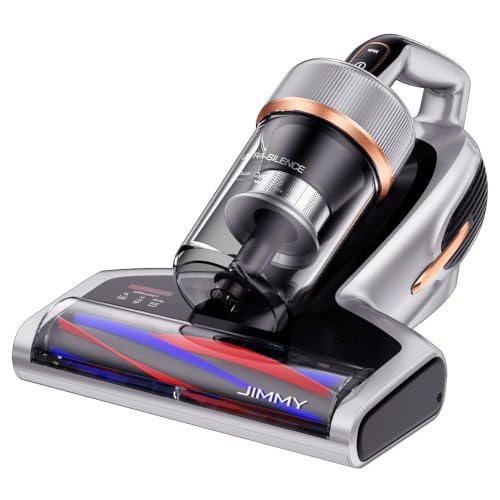
Waking up with itchy eyes or morning congestion often points directly to hidden particles buried beneath your sheets. Dead skin cells, pet dander, and fine debris accumulate deep inside mattress layers where standard vacuum floor heads cannot reach. Searching for the best mattress vacuum for dust mites means focusing on specialized tools combining high-frequency vibrating pads with concentrated suction. Unlike a standard cordless stick vacuum with a removable battery built for floors, a mattress hoover agitates deep upholstery fibers to dislodge stubborn buildup.
Our comparative review examines verified specifications, manufacturer claims, and engineered features across popular handheld units. We evaluate suction ratings from 12kPa to 18kPa, rapid tapping mechanisms up to 35,000 vibrations per minute, and multi-stage HEPA filtration capturing microparticles down to 0.3 microns. You will also see how UV-C sanitizing light, ultrasonic waves, and thermal drying systems around 140°F refresh bedding fabrics. Matching these features to your bed size and corded reach preferences ensures practical cleaning performance without unnecessary hassle.




Frequently Asked Questions
How does a mattress vacuum differ from a regular vacuum cleaner?
A mattress vacuum uses high-speed mechanical tapping and targeted suction to dislodge microparticles trapped inside dense fabric layers. Standard household units, including upright vacuum cleaners with lift-away canisters, are designed for floor debris and lack high-frequency beating bars. Dedicated bed vacuums also include contact-activated UV-C light, heated air systems, and dual dust cups to prevent fine dander from clogging the intake.
Do UV-C light and heat features help against dust mites?
Manufacturers state that 253.7nm UV-C light and 140°F hot air help sanitize fabric surfaces and reduce moisture where dust mites thrive. While these features target surface microbes and bedding dampness, physical suction and beating bars remain essential for pulling dead mites and allergen particles out of the mattress. Safety sensors automatically turn off the UV lamp when lifted to prevent skin exposure.
Is a corded or cordless mattress vacuum better for bedding?
Corded models provide continuous runtime and steady power, while cordless units offer greater maneuverability across multiple bedrooms. Corded vacuums with 16 to 19 foot cords eliminate battery limits when cleaning large king mattresses or heavy headboards. Conversely, cordless models powered by rechargeable battery packs allow quick, convenient spot cleanings across sofas and vehicle upholstery without searching for wall outlets.
What suction power should you look for in the Best Mattress Vacuum For Dust Mites of 2026?
Look for suction ratings between 13kPa and 18kPa to reliably extract fine dust and dander from thick mattresses. Strong suction ensures that once the vibrating roller loosens embedded debris, the motor pulls particles directly into the filtration chamber. Models offering multiple suction modes allow you to adjust airflow when switching between thin sheets and dense memory foam.
How often should you clean the dust cup and HEPA filter?
Empty the dust cup after every cleaning session and rinse washable filters monthly, replacing them every four to six months. Because mattress vacuums capture extremely fine dander and skin flakes, accumulated debris can quickly choke airflow and reduce suction pressure. Models with dual-cyclone separation keep heavier particles away from the pleated filter, maintaining steady suction throughout cleaning.


Write Your Review
No reviews yet. Be the first to share your experience!