


Clearing Fine Sediment and Pool Debris
Settling dust, fine silt, and murky deposits on a pool bottom create frustrating cleanup challenges that standard surface skimmers simply cannot resolve. Targeting the best pool vacuums for dead algae requires close attention to dense mesh filtration, motor flow rate, and battery runtimes. While typical upright or handheld indoor cleaners tackle carpets, underwater maintenance demands specialized submersible equipment with sealed motor housings. If you appreciate cable-free convenience like using a best cordless vacuum with 2 batteries for floors, cordless pool cleaners offer a similar untethered reach for pool steps and shallow floors.
This evaluation analyzes key manufacturer specifications, published flow rates, and filter mesh ratings to help you pick the right model for your pool setup. Fine particles escape coarse leaf nets easily, so selecting a cleaner equipped with micro-mesh filter bags or multi-stage filtration is essential for capturing powdery waste. Handheld submersible vacs eliminate cumbersome hoses and reliance on main pump connections, making spot treatments fast and manageable. Reviewing published motor ratings and included pole attachments ensures your chosen cleaner reaches deep corners without losing suction.


Frequently Asked Questions
Can a standard cordless pool vacuum pick up dead algae?
Handheld cordless pool vacuums can collect fine sediment only if they include ultra-fine mesh filter bags rated around 500-mesh or 180 microns. Standard leaf nets allow dead algae to pass directly back into the water circulation. Models like the Enhulk PC10 include specialized 500-mesh filter sleeves specifically engineered for silt and microscopic particles. Always verify that your cleaner features a fine-pore filter before attempting to clean suspended algae powder.
How does filter mesh size affect algae removal?
Higher mesh counts retain smaller particles, making them crucial for capturing settled algae rather than blowing it back out. Coarse filters designed for leaves generally have large openings that fail to trap microscopic debris. Vacuums offering interchangeable dual filtration allow you to swap between coarse leaf nets and fine 500-mesh sleeves depending on debris type. Cleaning the filter frequently during use prevents water flow restrictions and maintains steady suction.
How long do rechargeable batteries last during cleaning sessions?
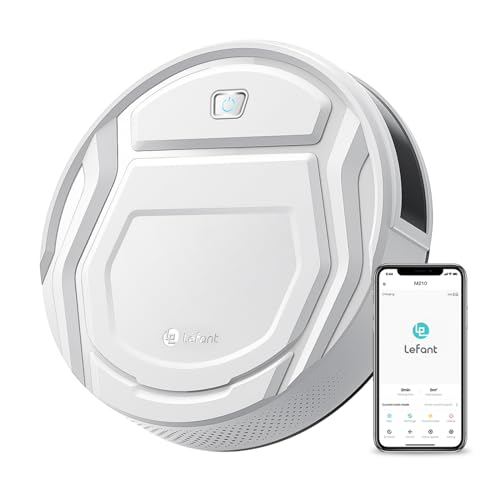
Most cordless pool cleaners run between 60 and 90 minutes on a full charge. Units with dual lithium battery packs provide steady runtimes suitable for spot-cleaning steps, ledges, and floor basins. Similar to how autonomous cleaners operate in homes, such as best self emptying robot vacuums running on timed battery cycles, pool units require periodic recharging between uses. Fast-charging models can reach full capacity in roughly 90 minutes.
Do handheld pool vacuums require an external garden hose or booster pump?
Cordless handheld pool cleaners operate independently without needing garden hoses or filtration pump hookups. Internal battery-powered motors draw water through the vacuum head and expel filtered water directly back into the pool. This standalone operation avoids tangling long cords across pool decks and eliminates hose drag during spot cleanups. It also prevents extra pressure or debris load on your primary pool filtration system.
What pole length is needed to reach pool floor debris?
Telescopic poles extending between 6 and 8.5 feet generally provide sufficient reach for standard above-ground and shallow in-ground pools. Many units feature universal pole adapters that accept standard pool maintenance extension poles for deeper installations. Selecting a vacuum with an adjustable aluminum pole keeps operation comfortable without forcing you to bend over pool coping. Ensure the suction head remains fully submerged to prevent motor air lock and suction loss.
Are pool vacuums safe for vinyl pool liners?
Pool cleaners equipped with smooth bottom glides and soft bristled vacuum heads are generally safe for vinyl liners. Bristled heads loosen settled silt without scratching or abrading delicate vinyl surfaces. Checking the cleaning head for trapped sharp stones before submerging protects liners from accidental punctures. Following manufacturer water depth limits also ensures the vacuum operates smoothly against pool walls and floors.



Write Your Review
No reviews yet. Be the first to share your experience!