


Maintaining Clean Substrate and Healthy Aquarium Water
Accumulated debris, uneaten food, and organic waste settle deep into aquarium substrate, leading to cloudy water and chemical spikes over time. While routine household maintenance often relies on a cordless stick vacuum with removable battery, aquatic environments demand specialized wet extraction tools. Selecting the best fish tank vacuum cleaners helps you lift trapped sludge and conduct essential water changes without messy manual siphoning. Our guide evaluates top options based on stated motor wattage, multi-stage filtration, and practical attachment designs.
Substrate tools range from simple manual siphons to motorized pumps equipped with integrated filter cups. Electric models with adjustable motor power let you tailor flow rates to protect smaller fish while removing heavy gravel debris. Many versatile units also include dedicated sand washing nozzles to refresh substrate while recycling filtered water back into the aquarium. By reviewing verified manufacturer specifications and functional accessories, this comparison highlights reliable tools for aquariums of all sizes.




Frequently Asked Questions
How do electric fish tank vacuums differ from manual siphons?
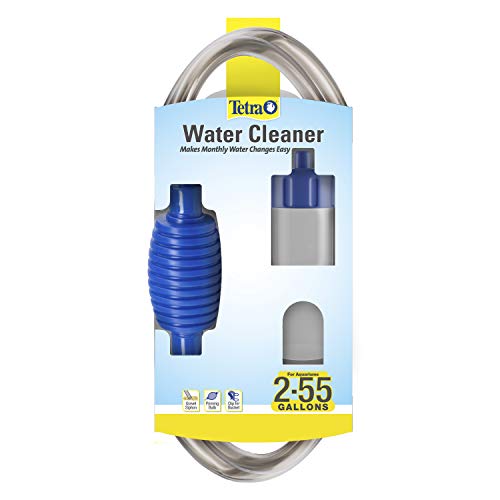
Electric cleaners use motorized pumps to generate suction, while manual siphons rely on gravity and hand-primed bulbs. Powered models draw waste through filter media and can return clarified water back into the tank. Manual siphons drain water continuously into a low bucket, making them simpler but strictly tied to water removal.
Can these cleaners wash sand without removing it?
Yes, provided you attach a specialized sand-cleaning head or reduce suction strength. Because sand is lighter than gravel, high flow rates can pull it into the discharge hose. Using wide sand nozzles or lower motor wattage lifts waste while letting heavier sand grains settle back down.
Are aquarium gravel vacuums safe around small fish?
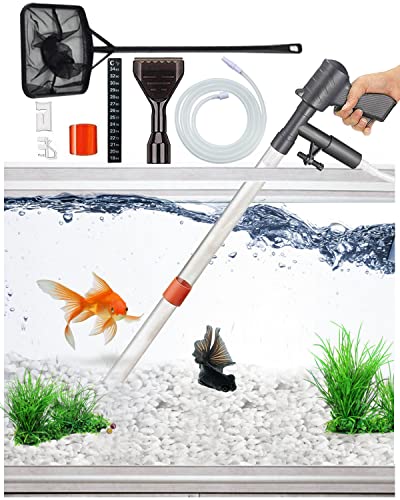
Most models include integrated intake guards or mesh screens to prevent fish from entering the tube. Kits like the QZQ cleaner use protective filter baskets to block gravel and livestock. On electric units, lowering the motor power further reduces the risk of trapping delicate swimmers against the intake.
Why do electric models warn that switches are not waterproof?
External controllers contain non-waterproof wiring that will fail if submerged. While pump bodies are designed for underwater operation, power adapters and controllers must stay completely dry. If water accidentally splashes onto nearby carpets during maintenance, dedicated carpet cleaners for pet stains can dry the area, but in-tank components must be handled carefully.
How often should you vacuum tank substrate?
Most aquariums benefit from substrate vacuuming every two to four weeks. Regular cleaning removes decomposing matter before it degrades water quality. Using the Best Fish Tank Vacuum Cleaners of 2026 ensures routine cleanups remain quick and stress-free for your aquatic pets.






Write Your Review
No reviews yet. Be the first to share your experience!