


Packing Bulky Wardrobes Into Compact Carry-On Space
Fitting thick winter coats, blankets, and extra outfits into a standard carry-on suitcase often creates immense packing frustration before a flight. Bulky fabrics trap excess air, leaving zero room for souvenirs or travel necessities and forcing travelers to pay unexpected checked baggage fees. Selecting the best vacuum compression bags for travels solves this dilemma by removing trapped air to shrink soft goods down to manageable dimensions. This guide evaluates manufacturer specifications, listed battery ratings, pump suction capabilities, and bag construction to identify reliable travel solutions. If you also manage home cleaning routines, pairing smart packing gear with a cordless vacuum with 2 batteries can simplify household seasonal transitions.
Modern compression systems rely on small wireless pumps rather than bulky household upright vacuums, giving you cordless freedom inside hotel rooms or cruise cabins. Our analysis highlights practical differences in battery capacity, suction speed, and durable multi-layer film materials like PA and PE that prevent mid-trip seal failures. These portable systems can compress luggage volume by up to 70 to 80 percent based on official brand specifications. Comparing these options helps you avoid underpowered units that run out of charge midway through packing your suitcase.



Frequently Asked Questions
How do portable electric pumps compare to standard household vacuums for compression bags?
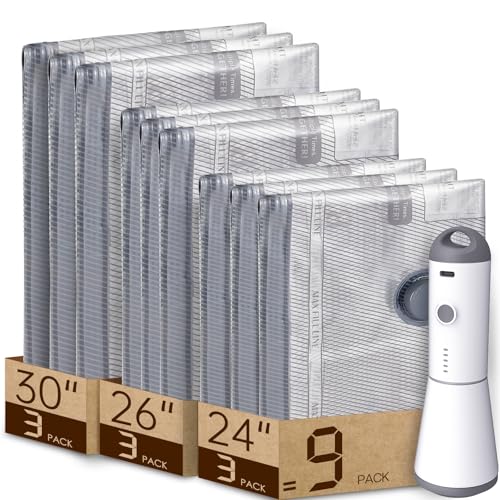
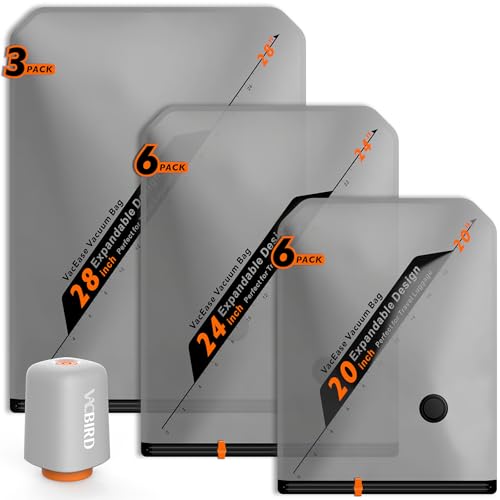
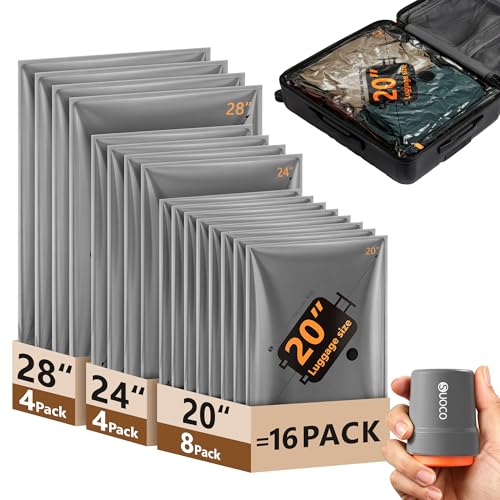
Portable electric pumps offer convenient cordless operation specifically sized for travel, while full-sized vacuums provide higher airflow for home storage. Travel pumps featured in sets from Vacbird and Viokei rely on built-in rechargeable batteries ranging from 1500mAh to 2400mAh, freeing you from wall outlets. While home vacuums like the Shark Navigator Lift Away Speed vacuum evacuate air rapidly through larger hoses, compact travel pumps deliver between 4000Pa and 6000Pa of suction to compress bags in 5 to 15 seconds anywhere you go.
Can you take rechargeable vacuum pumps in your airplane carry-on luggage?
Yes, you can typically pack rechargeable mini pumps in your carry-on luggage because they contain lithium-ion batteries. Transportation security guidelines usually require rechargeable lithium-ion battery packs to remain in carry-on bags rather than checked baggage. Because these mini pumps feature compact, palm-sized designs, they easily fit into backpacks, daypacks, or personal items for global flights.
How much luggage space can travel vacuum compression bags save?
Manufacturer specifications indicate that compression bags reduce soft fabric volume by 70 to 80 percent. The actual space saved depends on the density of the items packed, as puffy items like down jackets compress significantly more than dense denim. Remember that compression reduces physical bulk rather than weight, so you should monitor your total suitcase weight to stay within airline limits.
What materials make vacuum compression bags tear-resistant and airtight?
High-durability bags commonly use blended polyamide and polyethylene (PA+PE) or heavy-duty PVC films. The PA layer provides puncture resistance and flexibility, while the PE layer ensures a tight, heat-sealed barrier against moisture and dust. Dual-track zippers and specialized turbo valves help maintain an airtight seal for months during storage or across multiple flights.
How many vacuum bags can a cordless pump seal on a single charge?
Most travel pump models can seal between 90 and 120 bags per complete charge, depending on their battery rating. For example, units equipped with a 1500mAh battery state up to 90 uses, while 2400mAh pumps list upwards of 120 cycles. USB-C charging compatibility allows you to recharge the pump with power banks, laptops, or standard phone adapters on the road.
Are vacuum compression bags reusable for multiple trips?
Yes, travel compression bags are designed for repeated seasonal and travel use when handled properly. Taking care not to overfill the bags past the indicated fill line protects the zipper mechanism from separating under pressure. Keeping the valve clean and using the included sliding clips ensures the airtight seal stays intact over dozens of packing cycles.







Write Your Review
No reviews yet. Be the first to share your experience!