


Maintaining Clear Water and Managing Pool Debris
Keeping water clear often turns into an uphill battle against sunken leaves, fine sand, and waterline scum. Pool owners frequently weigh constant electrical power against battery portability when researching the best corded pool vacuums. Corded units like the Dolphin Nautilus CC Plus provide continuous power for deep scrubs without battery dropoffs. Evaluating pump flow ratings, active scrubbing brushes, and filter baskets helps you balance runtime and cleaning strength. Just as homeowners seek reliable power when comparing a best cordless vacuum with 2 batteries, pool owners must weigh continuous corded operation against rechargeable cycles.
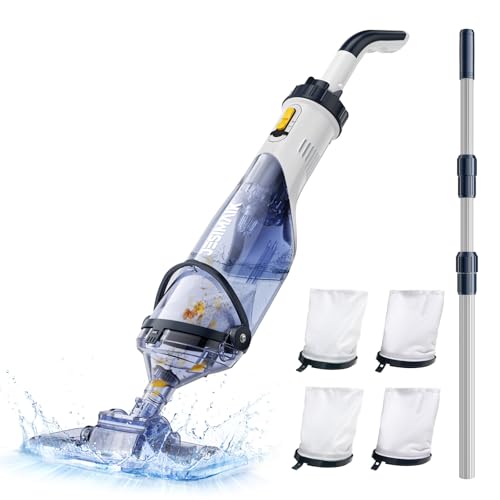
This guide examines listed manufacturer specifications, intake dimensions, motor wattage, and filter capacities across top automatic and handheld models. Handheld options like JESIMAIK and Teguy focus on spot cleanups with 18.5 GPM flow rates, while automatic robots scrub floors and walls. Reviewing manufacturer data and published design details ensures you select a vacuum suited to your basin size and debris level. Our comparison outlines specifications such as 150-micron baskets and multi-surface tracks without unsupported marketing claims.


Frequently Asked Questions
What are the main advantages of corded pool vacuums over cordless models?
Corded pool vacuums provide continuous electrical power without runtime limits or battery recharge delays. Units such as the Dolphin Nautilus CC Plus plug directly into a power supply to complete standard two-hour cleaning cycles. This constant connection allows dedicated scrubbing brushes and pumps to operate without managing battery degradation. Cordless alternatives eliminate floating cables but require scheduled recharging after 60 to 120 minutes of cleaning.
How do fine mesh filter bags differ from standard filter baskets?
Fine mesh bags capture microscopic sand and silt, whereas standard filter baskets collect bulk leaves and larger organic debris. Handheld pool cleaners often supply 500-mesh bags to capture fine sediment on pool steps. Robotic units like the BOTLIFE cleaner use 150-micrometer baskets engineered to retain larger volumes of general yard debris. Matching the filter rating to your pool debris prevents small particles from circulating back into the water.
Can handheld pool vacuums clean an entire in-ground pool?
Handheld pool vacuums are primarily built for targeted spot cleaning, steps, shallow wading areas, and spas rather than full basins. Units from Teguy and JESIMAIK include extension poles and provide up to 60 minutes of runtime. While effective for localized sand or quick touch-ups, covering an entire large floor manually requires substantial physical effort. Automated robotic cleaners are better suited for thorough floor and wall coverage.
How do robotic pool cleaners navigate floors and climb walls?
Robotic cleaners utilize intelligent path planning and high-grip rubber tracks to scale slopes and vertical surfaces. Models such as the BOTLIFE cleaner follow structured patterns to prevent missed spots. This automated navigation mirrors smart home cleaning seen in the best self emptying robot vacuums used indoors. Active roller tracks provide the necessary friction to climb slick vinyl or tile surfaces up to the waterline.
What maintenance is needed to keep a pool vacuum operating properly?
Routine maintenance requires rinsing filter chambers after every cycle and inspecting brush rollers for tangled debris. Top-loading baskets and mesh bags should be washed with a garden hose to prevent silt buildup. Handheld units require dry storage and keeping charging port covers securely fastened. Regular filter care prevents motor strain and maintains strong suction during weekly cleaning routines.





Write Your Review
No reviews yet. Be the first to share your experience!