


Tackling Dirt and Grime in Tight Window Sills
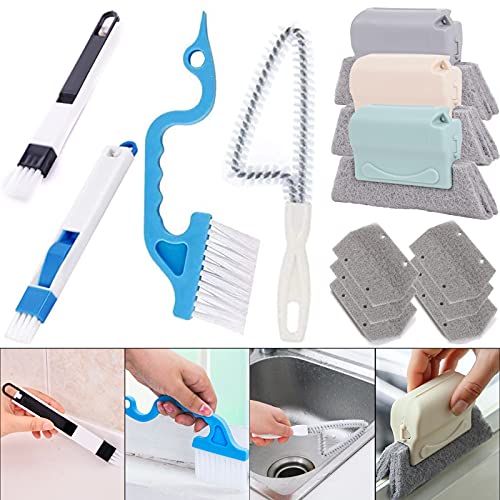
Window sills and sliding door grooves collect stubborn outdoor grit, dead insects, and dust that standard household floor heads simply cannot reach. While you might routinely clean carpets and rugs with general home cleaners, clearing out compacted debris from deep frame channels requires targeted precision. Selecting the best vacuums for window tracks means evaluating whether a compact handheld suction device, a specialized wet squeegee, or a dedicated groove brush set fits your cleaning routine. While full-size floor models like a cordless vacuum for whole-home cleaning excel across open rooms, tight sills demand nimble tools that navigate narrow corners without scattering dust.
To help you select the right setup, this guide analyzes manufacturer specifications, listed suction ratings, included nozzle attachments, and maintenance requirements across top track cleaning tools. Some products, such as the V06 mini vacuum, provide cordless handheld suction and narrow nozzles to lift dry particles from crevices, while electric window squeegees focus on removing dirty wash water from glass and sill edges. Many homeowners also pair lightweight suction with manual scraping pads to loosen stuck-on residue before vacuuming. By comparing listed battery runtime, tank capacities, and brush designs, you can select the most practical tool for your windows and sliding patio doors.




Frequently Asked Questions
What type of vacuum works best for cleaning narrow window tracks?
A lightweight handheld vacuum with a narrow crevice tool or a dedicated groove brush kit works best for narrow window tracks. Standard vacuum floor nozzles are far too bulky to fit inside narrow slider grooves and corners. Compact units like the Auloea V06 cordless vacuum feature slim nozzle tools and washable filters to capture loose dirt directly from tight gaps. For wet cleaning or condensation removal along sill edges, an electric window squeegee with suction helps pull dirty liquid away without dripping onto sills.
Can you vacuum wet debris or dirty cleaning water out of window tracks?
Only wet-rated vacuums or specialized window vacuum squeegees should ever be used to extract liquids from window sills. Standard dry handheld vacuums cannot handle moisture without risking electrical damage or filter clogs. If you wash your frames with soapy water, an electric window vacuum with a dedicated dirty water tank can capture the runoff. For stubborn pet hair or damp soil tracked into adjacent flooring, consider how tools like carpet cleaners for pet messes handle deeper liquid extraction compared to small sill tools.
Do manual groove brushes work better than electric vacuums for window tracks?
Manual groove brushes and electric vacuums serve complementary roles when cleaning window tracks. A scouring sponge or scraper loosens caked-on mud and grime that dry vacuum suction alone cannot dislodge. Once the dirt is broken free, a mini dustpan or compact vacuum suction lifts the loose dust out of the channel. Combining scraping pads with a mini cordless vacuum often delivers a faster and more thorough result than using either tool alone.
How much battery runtime is needed for window track vacuums?
Most cordless window cleaners and mini vacuums provide between 25 and 45 minutes of continuous runtime on a single charge. Because cleaning individual tracks takes only a few minutes per window, this duration is typically sufficient to clean several rooms before recharging. If you also use automated machines like self-emptying robot vacuums for your primary flooring, a short-burst handheld device easily handles the remaining detail work.
How do you maintain filters and tanks on window track cleaners?
Regular maintenance involves rinsing detachable water tanks and cleaning washable filters according to manufacturer instructions. For dry mini vacuums with HEPA filters, tapping out dust and air-drying after washing prevents suction loss. For electric squeegees, emptying the dirty water reservoir after each session prevents odor accumulation and mineral buildup. Always let washable components dry completely before reinstalling them into your vacuum.


Write Your Review
No reviews yet. Be the first to share your experience!