


Maintaining a Spotless Pool with Smart Automation
Manual pool maintenance often demands hours of scrubbing algae lines, dragging heavy hoses, and clearing fine sand from bottom slopes. Upgrading your routine with the best inground pool robotic vacuums eliminates tedious physical labor while providing reliable water circulation. Much like using the best self emptying robot vacuums indoors, autonomous pool cleaners sweep away dirt and leaves independently. Inground basins require agile mobility to handle transitions between flat surfaces and vertical walls.
Evaluating the right model requires balancing battery runtime, filter mesh ratings, and motor performance against your pool layout. Cordless cleaners deliver unrestricted travel across deep ends, while corded units provide steady power without recharge breaks, similar to comparing runtime needs on a best cordless vacuum with 2 batteries. Our comparison examines manufacturer specifications, listed runtimes, and top-load filter basket systems across top brands. Identifying key features like active scrubbing brushes and gyroscope navigation ensures you select a cleaner built for your pool layout.



Frequently Asked Questions
Can robotic pool vacuums climb walls and clean waterlines?
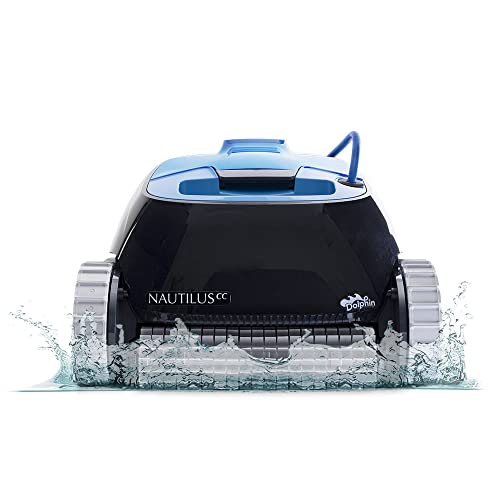
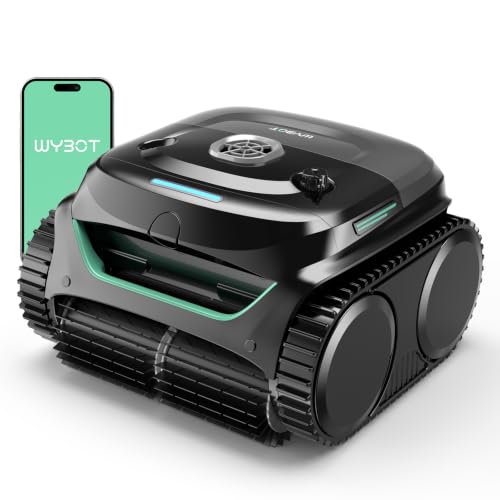
Yes, many robotic pool vacuums are engineered to climb vertical walls and scrub waterline scum. Cleaners equipped with triple-motor systems or active scrubbing brushes can ascend slopes and vertical tile lines. The manufacturer specifications for units like the Dolphin Nautilus CC and WYBOT C1 highlight wall climbing capability. Performance can vary depending on pool surface texture and algae levels.
How does navigation technology impact robotic pool cleaner performance?
Gyroscope navigation and path planning systems ensure systematic floor and wall coverage. Rather than wandering randomly, smart units follow structured S-path or N-path routes to minimize missed spots. This systematic mapping mirrors technology in best robot vacuums for high pile carpets, optimizing travel over main drains and slopes while conserving energy.
What is the main difference between corded and cordless robotic pool cleaners?
Cordless pool robots operate on rechargeable lithium batteries, whereas corded models require an outdoor outlet connection. Cordless models eliminate tangled cables and offer between 120 and 180 minutes of runtime per charge. Corded units deliver non-stop operation for consecutive cleaning cycles. The choice depends on power outlet proximity and your preference for easy handling.
How often should you clean the robotic vacuum filter basket?
You should rinse the filter basket after every cleaning cycle to maintain strong suction power. Top-loading filter baskets allow you to lift the canister and spray trapped dirt and leaves with a garden hose. Fine mesh screens trap sand and silt, which can reduce water flow if left uncleaned. Regular rinsing protects pump motors from unnecessary strain.
Can the Best Inground Pool Robotic Vacuums handle pools with slopes and steps?
Several robotic cleaners can navigate moderate slopes, shallow ledges, and steps. Multi-motor drives and textured roller tracks provide traction over inclines and main drains. Models such as the WYBOT B1 feature obstacle navigation to traverse uneven bottoms. Very narrow steps or irregular ledges may still require occasional manual brushing.








Write Your Review
No reviews yet. Be the first to share your experience!