


Clearing Tough Yard Debris and Lawn Clutter
Patios, driveways, and lawns quickly collect fallen leaves, twigs, and grass clippings that rakes struggle to clear cleanly. Choosing the best garden blower and vacuum streamlines outdoor cleanup by pairing high-velocity air with suction and waste reduction. Homeowners often weigh corded continuous power against the portability of battery systems, much like comparing a cordless vacuum with 2 batteries for indoor floor care. Our editorial overview evaluates listed specifications, airflow ratings, and collection capacities across leading models to help match your yard layout.
Shredding organic debris directly influences how quickly you finish yard chores. Integrated mulching impellers reduce leaf volume significantly, cutting down on trips to disposal bins while keeping bags light. Features such as variable speeds, support wheels, and shoulder straps also improve comfort across long sessions on pavement or grass. Comparing motor amperages and collection bag volumes ensures you find a dependable tool for seasonal cleanup.




Frequently Asked Questions About Garden Blowers and Vacuums
How do corded and cordless garden vacuums compare in power and runtime?
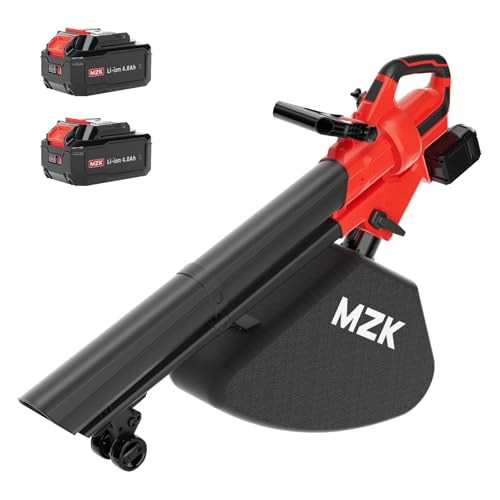
Corded models provide unlimited continuous power, while cordless units offer portable convenience with set runtimes. Corded 12 Amp units deliver sustained airflow for larger properties without battery limits. Cordless designs using dual 4.0Ah batteries generally run for up to 30 minutes, which suits quick patio cleanups.
What does the mulching ratio mean on a yard vacuum?
A mulching ratio reflects how effectively an internal impeller shreds leaves to reduce bulk volume. A 16:1 ratio condenses 16 bags of dry leaves into a single bag. Just as indoor self emptying robot vacuums reduce dustbin maintenance, higher yard ratios minimize frequent emptying trips.
Can these outdoor vacuums handle wet leaves safely?
Garden vacuums perform best on dry or lightly damp leaves rather than soaked foliage. Saturated leaves frequently stick inside the vacuum tube and can clog the impeller. Manufacturers often provide turbo modes for heavy debris, but blowing wet leaves into sunny spots to dry remains standard practice.
What collection bag capacity should you look for?
Collection bag sizes typically range from 40 to 55 liters across standard models. Compact 40L bags keep carrying weight light on your shoulder, while 55L backpack options hold more shredded debris before stopping. Your choice depends on whether you prefer lighter weight or fewer disposal breaks.
How do tool-free mode changes benefit yard cleanup?
Tool-free conversion lets you alternate between blowing, vacuuming, and mulching without extra hardware. Some designs use a simple lever flip, while others use quick-release latch buttons. This convenience helps you gather scattered debris into tight piles before quickly vacuuming them.
Are support wheels helpful on a garden blower vacuum?
Support wheels help guide the intake tube across flat surfaces by bearing the front-end weight. Rolling the nozzle along driveways, patios, or flat turf reduces arm strain during extended use. Models without wheels typically use shoulder straps to distribute tool weight.







Write Your Review
No reviews yet. Be the first to share your experience!