


Keeping Inground Pools Clear and Debris-Free
Clearing fallen leaves, windblown sand, and fine silt from an inground pool floor requires steady mechanical suction and dependable filtration. Much like managing indoor floors with automated appliances such as self-emptying robot vacuums, maintaining an outdoor swimming basin requires matching equipment to pool surface contours and debris types. Selecting the best pool vacuums for inground pools involves evaluating how different designs scrub vertical walls, navigate floor drains, and manage electrical demands. This overview examines listed motor specifications, scrubbing brush types, and filter basket capacities to simplify your buying decision.
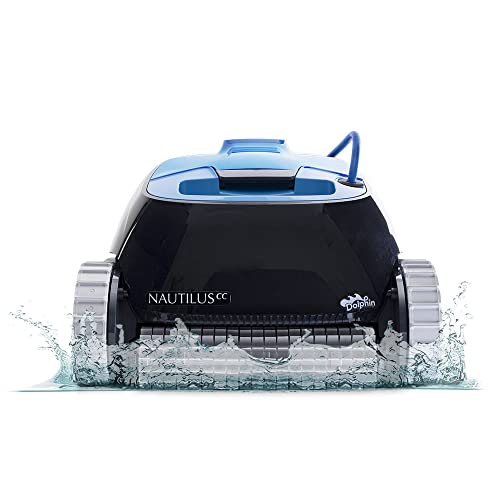
Inground pool cleaners generally fall into two categories: autonomous electric robots and suction-side sweepers powered by your existing circulation pump. Robotic models rely on internal drive motors and top-load filter baskets to trap debris independently, preventing excess strain on your main pool filter. In contrast, suction-side cleaners utilize water flow and turbine vanes to climb slopes and clean plaster, vinyl, or fiberglass surfaces. We analyze these options using published technical specifications, verified dimensions, and manufacturer features to help you select a dependable cleaner for your pool layout.


Frequently Asked Questions
What is the difference between robotic and suction-side pool vacuums?
Robotic cleaners operate independently using internal electric motors, whereas suction-side vacuums connect to your pool skimmer or suction line. Robotic units trap dirt in self-contained filter baskets without taxing your pool pump. Suction cleaners rely on pump flow to drive internal gears and route debris directly into the pool filter.
Can a cordless robotic vacuum handle large inground pools?
Cordless robotic vacuums can clean large pools if the basin dimensions match the rated battery runtime. Units offering up to 120 or 180 minutes of runtime cover up to 1,830 square feet on one charge. Much like checking runtimes on a cordless vacuum with 2 batteries, verify that your pool area fits within the single-charge coverage window.
How often should you empty the pool cleaner filter basket?
Empty the filter basket after every cleaning cycle for optimal water flow and suction. Removable top-load canisters rinse clean quickly with a standard garden hose. Letting wet leaves and silt sit in the basket restricts intake performance and adds unnecessary weight during wall climbs.
Do inground pool vacuums climb walls and scrub the waterline?
Wall climbing depends on cleaner design, track traction, and onboard cleaning modes. Many robotic vacuums feature active roller brushes and gripping tracks engineered to scrub walls and reach the waterline. Review product details carefully, as some suction-side models focus primarily on floor coverage.
What should you look for when choosing the Best Pool Vacuums For Inground Pools in 2026?
Focus on your pool surface, basin size, debris volume, and filtration preferences. Cordless units eliminate tangled cords, while corded plug-and-play units provide continuous power for deeper cycles. Look for fine-mesh filters to capture silt and robust roller skirts or tracks to clear main floor drains smoothly.






Write Your Review
No reviews yet. Be the first to share your experience!