


Smart Floor Care for Homes with Pets
Pet owners know the dread of an automated cleaner smearing an unexpected mess across carpets and floors. Navigating around obstacles, cords, and pet waste requires specialized object recognition rather than simple bump sensors. Comparing the best robot vacuums to avoid pet waste helps households balance optical navigation with dependable debris pickup. Modern pet-focused models often combine obstacle avoidance with self-emptying stations to simplify daily chores. Looking at reviews of self-emptying robot vacuums illustrates how auto-empty bases keep allergens contained without daily manual emptying.
Selecting an automated cleaner involves reviewing navigation sensors, suction levels, and brush mechanisms across hard floors and rugs. Brands like iRobot use front-facing cameras with obstacle identification algorithms, while other brands rely on LiDAR mapping to create detailed room layouts. Pet owners frequently compare these robotic options with traditional vacuums for pet hair removal when handling stairs and furniture. The models highlighted here represent listed manufacturer specifications and verified obstacle-handling features to help you select a dependable device.
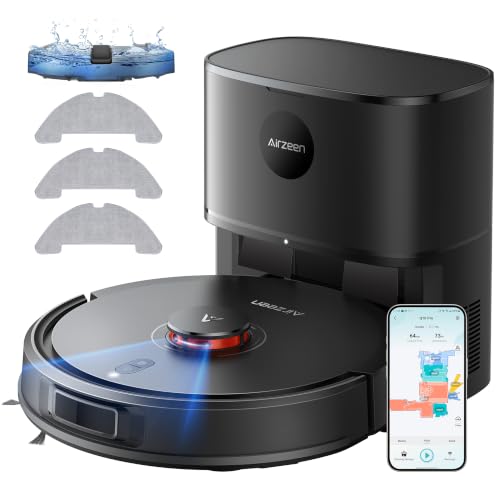


Pros
- Self-emptying station with two 2.5L dust bags significantly minimizes daily dustbin maintenance
- Listed 6000Pa suction delivers strong pickup power for pet hair and debris on tile, hardwood, and carpet
- Compact 2.99-inch low-profile chassis easily navigates underneath low couches and clearance furniture
- Precise LiDAR navigation supports multi-floor mapping, no-go zones, and custom room schedules
- Dual-band Wi-Fi connection maintains steady communication across both 2.4G and 5G household networks
Cons
- Requires manual removal of the mop bracket to switch between hard-floor mopping and carpet deep cleaning
- The 250ml internal dustbin and 300ml water tank are relatively compact and require frequent attention during extended mopping runs
- The auto-empty dock handles dry debris extraction but does not wash or dry the mopping pad
The Lefant M2 Plus is an automated robot vacuum and mop combo built for homeowners, apartment renters, and pet owners looking to reduce manual floor-care chores. Operating as a hybrid system, it is designed to sweep, vacuum, and damp-mop hard surfaces such as hardwood and tile, while also handling debris on low-to-medium pile carpets. For multi-surface households dealing with daily pet shedding, crumbs, and entrance dirt, this unit offers an accessible way to keep common living areas clean without requiring constant manual oversight.
Cleaning capability centers on a listed 6000Pa hyper suction motor paired with three adjustable power settings. The robot utilizes an onboard 250ml dustbin alongside a 300ml electronically controlled water tank featuring three flow levels. When working on hard floors, it sweeps loose dirt into the intake while trailing a damp pad to pick up fine residual dust. When encountering carpets, built-in detection technology serves two distinct purposes: it actively avoids area rugs when the mop holder is connected to prevent wet fabrics, and automatically boosts suction to maximum power once the mop holder is removed to lift embedded pet hair from carpet fibers.
Hardware design sets the M2 Plus apart from many standard LiDAR machines. At 11 inches in diameter and just 2.99 inches tall, it features a lower profile than traditional turret-topped robot vacuums, allowing it to navigate beneath low-clearance sofas, coffee tables, and bed frames where pet hair frequently gathers. Navigation is driven by a 360-degree LiDAR system that quickly maps rooms and supports multi-floor layouts. This is paired with a 190-degree PSD sensor array capable of identifying household obstacles as close as 1.6 inches away, reducing rough collisions with baseboards and furniture legs even in dim lighting.
Everyday maintenance is streamlined by the included auto-empty station. After completing a cleaning cycle, the robot docks and evacuates dry debris into a 2.5L dust bag, which the manufacturer states can hold up to 75 days of waste depending on household shedding and usage frequency. The package includes two bags to start. Connected controls run through the Lefant mobile app, with support for both 2.4GHz and 5GHz Wi-Fi bands to prevent connection drops. Users can set up virtual no-go zones, merge or split rooms, trigger spot cleaning, or run basic operations via Amazon Alexa and Apple Watch integrations.
Prospective buyers should keep practical limitations in mind before purchasing. While the dock manages dry dustbin evacuation, it does not clean or dry the mop pad, meaning users must manually detach, rinse, and air-dry the cleaning cloth after mopping runs. Furthermore, transitioning from mopping hard floors to vacuuming carpets requires manually snapping off the mop module so the robot can safely climb onto rugs. The onboard 140-minute stated runtime provides ample coverage for small-to-midsize layouts, but very large homes may require recharge cycles during extensive deep-cleaning sessions.
For households seeking strong vacuum suction, dependable mapping, and low-profile clearance without the high cost of all-in-one washing stations, the Lefant M2 Plus presents a very practical package. Its 6000Pa motor, intelligent carpet detection, dual-band Wi-Fi reliability, and hands-free self-emptying base make it an efficient daily maintenance partner for busy families and pet-friendly homes.
The Lefant M2 Plus delivers thorough routine floor care through a multi-stage cleaning mechanism. Its listed 6000Pa suction motor provides substantial lifting power across three selectable speeds, allowing users to dial down the power for quiet daytime sweeping or crank it up for high-traffic entryways. The 3-in-1 system uses sweeping side brushes to pull edge debris into the direct suction pathway, effectively gathering dog hair, kitchen crumbs, and tracked-in litter on both hardwood and tile floors.
Mopping operations are supported by a 300ml water tank that feeds water evenly across the dampening pad. With three adjustable flow rates in the app, users can match the moisture output to their specific floor type, preventing excessive wetness on sealed wood surfaces while providing enough dampness to lift light surface footprints on ceramic tile. When the mopping attachment is detached, the carpet sensor activates an automatic suction boost to maximize agitation and lift hair lodged within carpet fibers.
Mapping and spatial awareness on the M2 Plus rely on an advanced 360-degree LiDAR setup integrated into a compact 2.99-inch chassis. The robot quickly scans rooms upon its first departure, generating accurate multi-floor floorplans that allow homeowners to customize cleaning routines level by level. Through the companion app, users can define specific rooms, create custom cleaning schedules, split or merge zones, and set restricted no-go zones to keep the machine away from pet bowls or cable clusters.
Obstacle avoidance is augmented by PSD technology featuring a 190-degree forward detection angle. This sensor system detects nearby items down to 1.6 inches away, allowing the robot to skirt around chair legs, shoes, and dropped toys without harsh bumper impacts. Because LiDAR and PSD sensors do not rely exclusively on ambient light, the M2 Plus can map and clean efficiently in fully dark rooms or during overnight cleaning schedules.
Routine upkeep on the Lefant M2 Plus is centered on its bag-compatible auto-empty station. After finishing its route, the robot aligns with the base, which uses strong suction to pull debris from the 250ml onboard bin into a 2.5L sealed dust bag. The manufacturer estimates each bag can hold up to 75 days of debris, keeping airborne dust safely contained and making it especially convenient for allergy-conscious households. Two disposal bags are provided in the box.
Long-term maintenance still requires periodic hands-on care for the wet components and moving parts. The reusable mopping pad should be removed and hand-washed or machine-washed after every damp mopping cycle to prevent mildew and sour odors. Owners should also periodically check the side brushes for tangled hair, rinse the internal washable dustbin filter, and ensure the 300ml water tank is emptied when not in active use to maintain reliable pump operation.

Pros
- Brushless, tangle-free suction design eliminates hair wrapping and reduces maintenance for pet owners
- Impressive manufacturer-stated 5200Pa suction across three adjustable power settings
- Slim 2.99-inch height fits easily under low coffee tables, dressers, and couches
- Smart control options include companion smartphone app scheduling plus Alexa and Google Assistant voice commands
- Four-stage electronic water control allows tailored mopping moisture on hard floors
Cons
- Not suitable for medium- or high-pile carpeting; performance is restricted to hard floors, wood, and low-pile rugs
- Relies on bump-and-sensor navigation rather than advanced LiDAR room mapping or designated virtual no-go zones
- Specific dust bin and water tank capacities are not listed in fluid or volume metrics by the manufacturer
The ROPVACNIC Robot Vacuum and Mop Combo (Model S1) is an automated 2-in-1 floor-care machine designed for routine multi-surface upkeep in busy American households. Engineered primarily for apartment dwellers, pet owners, and homeowners managing wood and hard surfaces alongside low-pile rugs, this unit tackles everyday dust, pet shedding, and minor floor spots without requiring manual push-vacuuming. Its combination of wet mopping and vacuuming makes it an appealing option for budget-conscious buyers seeking an entry-level robotic helper for daily maintenance.
In real-world cleaning situations, this robot addresses daily debris using a 3-point cleaning system and a manufacturer-rated 5200Pa of suction across three selectable power stages. Instead of relying on a traditional bristled roller, the machine uses a direct, no-entanglement suction inlet flanked by dual rotating electric side brushes. This direct-suction approach is specifically intended to channel dog and cat hair, crumbs, and tracked-in grit directly into the suction path without wrapping around an agitator bar. Simultaneously, the electronically controlled water tank offers a four-stage personalized water adjustment system, allowing users to dial in light dampness for dust removal or slightly heavier moisture for minor sticky spots on wood and tile-like hard surfaces.
From a structural standpoint, the robot features a remarkably low-profile build measuring 12 by 12 inches with a height of only 2.99 inches, weighing approximately 7.28 pounds in a light black housing. This compact chassis allows it to clear low-hanging furniture, including bed frames, sideboards, and living room couches, where dust bunnies and pet fur often accumulate out of reach. The underside houses dual motorized side brushes designed to reach along baseboards, while the mopping plate attaches smoothly to the base. It comes paired with a compact charging dock to which the robot autonomously returns whenever cleaning concludes or battery replenishment is needed.
Setting up the unit is straightforward, involving app pairing for smartphone scheduling and connecting to voice platforms such as Amazon Alexa or Google Assistant. Maintenance is noticeably lower on the vacuuming side because the absence of a brush roll eliminates the tedious task of cutting away wound-up pet hair with scissors. Users simply empty the internal dry debris container, wipe the drop and bumper sensors periodically, and clear occasional threads from the twin side sweepers. When utilizing the mopping function, routine maintenance involves filling the onboard water reservoir with clean tap water, dampening and securing the mop pad, and washing the cloth pad thoroughly after each cleaning run to avoid stale odors.
Despite its practical advantages, this model has natural operational boundaries. Because it relies on high-coverage sensor algorithms and directional obstacle detection rather than overhead laser LiDAR or optical camera mapping, it cleans in semi-random or reactive patterns and lacks customized virtual boundary lines or selective room targeting. Furthermore, surface compatibility is strictly limited to wood, hard floors, and low-pile carpets; it is not suited for medium- or high-pile carpeting, shag rugs, or unlevel thresholds. The lack of an auto-lifting mop plate also means users should remove the mopping bracket before sending the machine across area rugs to prevent wetting carpet fibers.
For homeowners, renters, and pet owners looking for a budget-friendly automated floor cleaner that tackles daily pet hair without brush-roll tangles, the ROPVACNIC Robot S1 offers reliable utility. While it does not replace a heavy-duty upright extractor or a laser-guided premium robot for deep restorative carpet cleaning, its solid 5200Pa suction rating, slim clearance, and adjustable electronic mopping deliver sensible, hands-free cleanliness across daily hard-surface living areas.
The ROPVACNIC S1 addresses pet hair challenges through a specialized roller-free suction opening rather than a standard spinning brush roll. Traditional vacuum agitator bars tend to collect tightly bound fur, requiring frequent manual intervention and cutting. By pairing a direct suction throat with dual rotating electric side brushes, this cleaner channels stray hairs, dander, and food crumbs straight toward the collection bin, minimizing maintenance hassles for dog and cat households.
Backed by a manufacturer-rated 5200Pa suction profile across three adjustable levels, the unit supplies substantial lift for hard floors, wood surfaces, and low-pile area rugs. Users can select higher suction stages for high-traffic entryways or pet resting zones, ensuring small debris and dry spills are swept clean from perimeter baseboards and tight floor corners.
Equipped with a 2-in-1 mopping module, the ROPVACNIC Robot S1 actively manages floor hydration via an electronically controlled high-capacity water reservoir. Unlike passive gravity-fed drip mops, the electronic system features four personalized water-flow adjustment stages. This granular control allows users to match moisture dispersion to their specific hard-floor conditions, avoiding puddling on sealed wood while delivering sufficient wetness to lift fresh footprints and light dirt.
To maintain optimal results on hard surfaces, the mopping pad should be laundered after every cleaning session, and water should be emptied between cycles. Because the vacuum does not automatically detect carpets to lift its mop plate, damp mopping is best restricted to entirely hard-surface areas like kitchens, hallways, and living rooms with wood flooring.


Pros
- Robust 8,000 Pa manufacturer-rated suction pulls embedded dirt from carpets and hard-floor crevices.
- Dual anti-tangle brush design significantly cuts down on pet hair maintenance around the roller ends.
- 360-degree LiDAR sensor provides fast, systematic room mapping with multi-floor storage in the app.
- Proactive obstacle identification prompts helpful virtual boundaries around wires and furniture legs.
Cons
- Requires a dedicated 2.4 GHz Wi-Fi frequency and does not support 5 GHz network bands.
- Water tank and dustbin are integrated into a single combo part, requiring joint handling when emptying or refilling.
- Mop pad is a standard static cloth that must be manually removed, washed, and detached before heavy carpet runs.
The Roborock Q7 L5 robot vacuum and mop combo is built for homeowners, apartment renters, and pet owners seeking automated daily floor upkeep. Combining strong dry debris suction with simultaneous light mopping, this unit addresses common floor-care pain points like pet shedding, crumbs, and tracked-in dust across multi-surface layouts. Measuring 13.8 inches wide by 3.89 inches tall, it fits beneath many low-profile couches, beds, and kickboards while maintaining full coverage.
Cleaning performance is driven by Roborock's listed 8,000 Pa HyperForce suction system, which is engineered to lift deeply embedded dirt from carpet fibers and fine dust from cracks between floorboards. Simultaneously, the onboard mopping setup utilizes a 270 ml water tank paired with a removable mop pad to wipe away surface dust and light stains. Users can toggle between three adjustable water flow levels directly within the app, allowing moisture control to suit different hard-floor cleaning needs without over-saturating surfaces.
For households dealing with frequent pet hair, the Q7 L5 incorporates a dual anti-tangle brush mechanism. A specially designed main brush roll works in tandem with a zero-tangle side brush to channel loose fur and hair directly into the suction inlet without tight wraps around the roller ends. Navigational duties are handled by a 360-degree LiDAR turret that scans living spaces in real time. This system generates accurate floor plans, saves multiple maps for multi-level houses, and calculates structured cleaning paths rather than bouncing randomly between walls.
Setup and daily management center on the Roborock mobile app and smart home voice integrations with Amazon Alexa or Google Assistant. The software allows users to tailor suction levels, establish cleaning schedules for individual rooms, and engage a child lock feature to prevent accidental button presses by kids or pets. Additionally, the system proactively detects potential hang-ups like clustered table legs or stray electrical cords and suggests no-go zones to prevent the unit from getting trapped mid-cycle.
While the robot brings high suction and smart navigation, buyers should account for a few practical trade-offs. The device connects solely to 2.4 GHz Wi-Fi frequencies, meaning dual-band home routers must have a separate 2.4 GHz network active. Furthermore, the 270 ml water tank and the dustbin are manufactured as an integrated combo module, requiring users to handle both sections simultaneously during routine maintenance. Because it features a standard damp mop cloth rather than a motorized scrubbing pad or an auto-lifting mop head, carpeted areas may require setting virtual no-mop boundaries in the app during wet cycles.
The Roborock Q7 L5 offers an impressive balance of high listed suction, anti-tangle hardware, and precise LiDAR navigation for busy households. It is especially suitable for pet owners and multi-room spaces that need reliable automated vacuuming with basic damp mopping on hard floors. For shoppers who want dependable app-driven map control without paying the premium for complex self-washing dock stations, this model represents a practical and capable floor-care solution.
Precision LiDAR navigation sets the Roborock Q7 L5 apart from basic bump-and-turn robots. Its 360-degree laser sensor continuously scans the perimeter of your rooms in real time, drafting structured cleaning grids that systematically cover open floor space and room perimeters without repeated passes.
Through the companion Roborock application, users can save multiple floor maps, making the robot convenient for multi-story homes. The app also allows fine-tuned perimeter adjustments, room labeling, and custom no-go zones. When the robot detects complex zones such as cable clusters or intricate chair legs, it proactively prompts users to set no-go boundaries to prevent snags.
The mopping module on the Roborock Q7 L5 uses a 270 ml fluid reservoir integrated directly into the dustbin housing. It feeds water to a detachable mop pad across three selectable flow rates, making it easy to regulate wetness based on floor soil levels.
Maintenance is straightforward thanks to the anti-tangle brush design. The zero-tangle side brush sweeps edge debris into the path of the main brush roll, both of which are engineered to minimize hair wrapping for easier cleanup in pet-friendly homes. The mop pad detaches for routine hand washing or rinsing between cleaning runs.
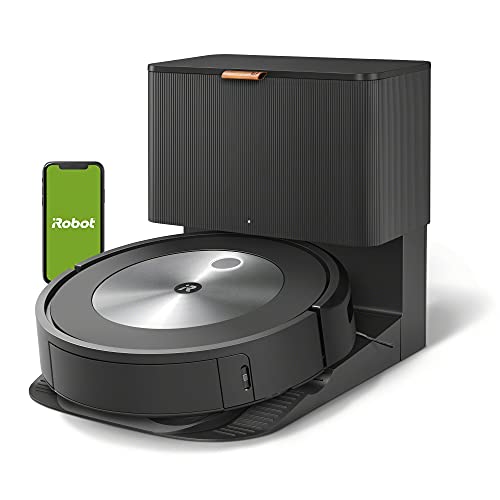

Pros
- Auto-empty docking station holds up to 120 days of debris in a 4L bag, significantly cutting down on daily maintenance.
- Extendable side brush expands sweeping reach into baseboards and tight corners where standard robot brushes fall short.
- High-precision LiDAR navigation efficiently stores up to 4 separate floor maps, making it ideal for multi-story homes.
- Anti-tangle main roller brush reduces hair buildup from shedding pets and long hair.
- Supports both 2.4GHz and 5GHz Wi-Fi networks for faster, more dependable smart app connectivity.
Cons
- Mopping module uses a static damp pad rather than spinning or vibrating scrubbing attachments for dried, sticky spills.
- The self-emptying dock has a larger footprint that requires dedicated floor space near a wall outlet.
- Requires ongoing purchases of proprietary 4L replacement dust bags once the two included bags are depleted.
The Redroad R11 Max is a feature-rich robot vacuum and mop designed for homeowners, apartment dwellers, and pet-friendly residences seeking automated everyday floor care. Built to address routine messes across carpets, hardwood floors, and tiles, this unit combines sweeping, dry vacuuming, and damp mopping into a single automated platform. It is particularly well suited for multi-story households and busy pet owners who want to automate daily cleaning without constantly tending to a small internal dustbin.
For debris pickup, the manufacturer highlights a 38,000 Pa suction rating powered by a 4600 mAh battery. The vacuum relies on a high-density, anti-tangle main roller brush engineered to agitate fibers and channel debris into the suction path while resisting hair wrap. To improve edge cleaning, the machine incorporates an extendable side brush on a robotic arm that flexes outward to sweep dust from baseboards and corners. For hard surfaces, an electronic air valve dispenses water across three user-selectable flow rates to lightly mop without drenching delicate finishes.
Navigation is handled by a 360-degree LDS LiDAR tower that scans living areas to generate structured cleaning paths, avoid obstacles, and minimize hard impacts with furniture. Multi-level homeowners will appreciate the system's ability to save up to four distinct floor maps. The robot connects over dual-band Wi-Fi (supporting both 2.4GHz and 5GHz bands), allowing users to adjust suction levels, define virtual boundaries, set no-go zones, or schedule specific room cleanings through the mobile app or via Alexa and Google Assistant voice prompts.
Maintenance is streamlined by the self-emptying base station, which automatically transfers collected debris from the robot into a sealed 4L dust bag. The manufacturer estimates that a single bag can hold up to 120 days of dirt under normal conditions, and the inclusion of two bags provides extended hands-free convenience. Beyond dust bag swaps, regular upkeep consists of washing the reusable mop pad, clearing the brush rolls of stray fibers, and wiping down optical and cliff sensors.
Potential buyers should note that the mopping system functions as a damp wipe for dust and light footprints rather than an intensive scrubber for heavy, caked-on kitchen spills. Additionally, the auto-empty dock requires dedicated floor space near a standard outlet, and replacement bags represent a recurring consumable expense. Overall, the Redroad R11 Max offers strong everyday convenience, dependable LiDAR mapping, and practical pet-hair management for multi-surface homes.
The Redroad R11 Max utilizes a 360-degree LDS LiDAR navigation sensor mounted on top of the chassis. This optical radar system maps room perimeters and obstacles quickly, planning an orderly back-and-forth cleaning route rather than relying on random bump-and-turn patterns. Gentle collision sensors help the robot navigate smoothly around furniture legs and pet dishes.
For households with multiple stories, the companion mobile application can store up to four unique floor plans. Users can assign specific cleaning modes to different rooms, set virtual walls, and draw no-go zones to prevent the unit from entering delicate areas or getting trapped in cluttered corners. Compatibility with both 2.4GHz and 5GHz Wi-Fi ensures simple pairing and reliable mobile communication across modern home mesh routers.
Equipped with a multi-mode cleaning system, the R11 Max can operate in vacuum-only mode or mop-only mode depending on your floor-care needs. The mopping system uses an electronically controlled air valve that meters liquid output across three distinct moisture levels, delivering even dampness across the microfiber pad.
This controlled water delivery helps prevent puddles and standing water, making it a safe option for sealed hardwood, laminate, and tile floors. While effective at collecting fine dust residue that dry vacuuming leaves behind, users should treat it as a routine maintenance mop rather than an aggressive stain extractor for heavy, dried-on messes.
The auto-empty docking station is the core convenience feature of the R11 Max, housing a 4L dust bag that pulls debris out of the robot bin at the end of each cleaning run. The sealed bag system keeps dust contained, which is a major advantage for allergy-conscious households seeking to avoid dust clouds during bin emptying.
General maintenance tasks include occasionally wiping the charging contacts, clearing any buildup from the anti-tangle main roller, and cleaning the extendable side brush. The package includes two 4L dust bags, giving users up to 240 days of total dust containment before needing to restock on replacement consumables.
Frequently Asked Questions
How do robot vacuums detect and avoid pet waste?
Robot vacuums detect pet waste using optical cameras paired with artificial intelligence or specialized distance sensors. Models like the iRobot Roomba j7+ and j6+ use front-facing PrecisionVision cameras to identify solid pet accidents in real time. Standard LiDAR systems map room perimeters well, but camera-based systems excel at identifying low-profile obstacles directly on the floor.
What guarantee covers pet waste avoidance failures?
Certain manufacturers provide a dedicated replacement guarantee covering pet waste incidents. The iRobot Roomba j7+ and j6+ include the Pet Owner Official Promise, committing to replace the robot if it fails to avoid solid pet waste. Most other robotic brands offer standard hardware warranties without specific mess-avoidance guarantees.
Can robot vacuums mop without spreading pet messes?
Combination robot vacuums can mop hard floors, but users should manage floor zones carefully around pet areas. Models like the Lefant M2 Plus and wrydao S6 Pro support app-controlled no-mop boundaries. Creating virtual boundaries prevents mopping pads from entering litter areas or rugs where pet accidents might happen.
How often do self-emptying docks need maintenance?
Maintenance frequency depends on the dock dust bag capacity and pet shedding levels. Units like the Airzeen Q10 PRO and Roomba j7+ offer roughly 60 days of enclosed debris storage, while larger bags advertise longer intervals. Homes with multiple shedding animals may need to replace dust bags sooner to prevent airflow clogs.
What should you use if a liquid accident occurs on carpet?
Robot vacuums are built for dry debris and should never be used on wet pet messes. Liquid waste can damage internal motors and roller brushes. Utilizing dedicated carpet cleaners for pet stains ensures wet residues and odors are thoroughly extracted from carpet fibers.





Write Your Review
No reviews yet. Be the first to share your experience!