


Selecting Stable Flooring for Radiant Heating
Multi-ply engineered plank construction handles seasonal temperature changes far better than traditional solid boards, preventing gaps and cupping when subfloors warm up. Homeowners looking for the best wood flooring over radiant heat need materials with balanced thermal conductivity, dimensional stability, and precise milling. Pairing thin radiant heating elements like conductive ink mats with a stable floating floor ensures efficient warmth without overheating the timber veneer. Consider pairing your layout with high-performance waterproof engineered hardwood floor planks to withstand temperature shifts and subfloor moisture vapor.
Floating installations require careful evaluation of underlayment, adhesive strength, and thermal limits. Systems like QuietWarmth Float mats deliver gentle, self-limiting warmth directly beneath floating engineered planks without messy mortar beds. Meanwhile, embedded wire systems like the HEATIT Warmmat offer targeted warmth when set into approved mortar bases. To prevent seam separation across heated zones, floating planks often rely on specialized adhesives like Titebond 2104 Tongue and Groove glue that resist heat and moisture. Checking manufacturer temperature limits and matching proper underlayment protects both the plank core and factory finish.

Pros
- Recommended for all varieties of laminate and floating floor installations
- Formulated to withstand the thermal conditions of radiant heat systems
- Resists both water and common solvents after curing
- Compact 16 oz bottle design allows smooth, targeted bead application
Cons
- Intended specifically for tongue-and-groove joints rather than full subfloor trowel-down applications
- Requires immediate cleanup of squeeze-out to avoid dried white adhesive on plank surfaces
- Manufacturer listing does not specify precise open time or full cure duration
Titebond 2104 Tongue and Groove Glue is a specialized floor-installation adhesive designed to bond the interlocking edges of floating floor assemblies. Available in a 16 oz squeeze bottle, this white adhesive is geared toward DIY homeowners, renovators, and installers working on laminate planks and floating hard-surface layouts in high-traffic hallways, living rooms, and bedrooms.
In real-world floor installation and plank repair, seam stability is essential for preventing gaps caused by foot traffic and environmental shifts. Titebond notes that this adhesive is recommended for all types of laminate floors and floating floors. Importantly, it is formulated to perform even over radiant heat systems, where thermal cycling can otherwise weaken inferior joint adhesives.
The adhesive provides superior bond strength along tongue-and-groove profiles, helping boards hold tight over years of daily residential use. Once fully dry, the glue resists water and solvents. This post-cure resistance offers added protection against incidental spills and damp mopping routines that might otherwise compromise unprotected seams.
Handling during floor installation is straightforward thanks to the bottle dimensions of 2.4375 by 2.4375 by 9.25 inches and an overall weight of 1.1 pounds. The nozzle format allows controlled dispensing directly into groove channels without excessive product waste. Clean work habits remain helpful, as wiping away any wet squeeze-out with a damp rag prevents unwanted dried white residue on top of decorative plank surfaces.
A practical limitation is that this formula is intended strictly as a seam and groove bonding adhesive rather than a broad-coverage adhesive for securing underlayment or full-spread subfloors. Additionally, the manufacturer does not provide exact drying times or square-footage coverage estimates in the basic product specifications, so working pace must be adjusted to match room temperature and humidity.
For households undertaking laminate floor projects or repairing separated floating planks, Titebond 2104 offers targeted bonding reliability. Its compatibility with radiant subfloors and solvent-resistant cured finish make it a dependable floor-care installation consumable.
Titebond 2104 is engineered specifically for interlocking tongue-and-groove seams in floating floor systems and all types of laminate flooring. It helps keep floating plank joints snug without pinning boards rigidly to the subfloor.
The formula is also explicitly rated for installations over radiant heating systems. This ensures the cured bond remains stable and durable despite the continuous thermal shifts common in heated floor environments.
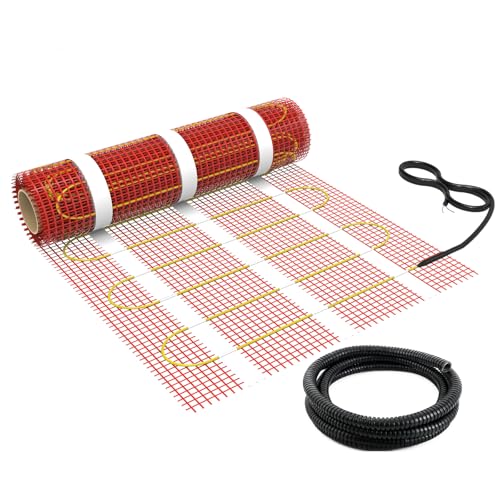
Pros
- Ultra-thin 1/8-inch heating element minimizes floor height transitions between rooms
- Fully self-adhesive fiberglass mesh simplifies laying and holds wires flat against the subfloor
- UL listed for the USA and Canada with robust fluoropolymer insulation for wet indoor applications
- Mesh backing can be cut and angled to accommodate irregular room perimeters
- Comes with a 30-year limited warranty on the heating mesh based on proper installation methods
Cons
- Yellow heating cable cannot be cut or shortened, requiring precise pre-purchase floor measurement
- Thermostat controller is not included and must be purchased separately
- Not approved for outdoor installations, pool areas, or spa surrounds
The HEATIT 10 Sq Ft Electric Radiant Floor Heating Mat is an underfloor electric warming system engineered to deliver consistent heat beneath hard surface flooring such as ceramic tile, natural stone, and wood. Measuring 20 inches wide by 6.1 feet long, this pre-fabricated mat suits homeowners, DIY remodelers, and landlords who want to eliminate cold flooring in targeted areas like bathrooms, kitchens, entryways, and living spaces. Operating on standard 120V household current at 1.0 Amp, it produces 12 Watts per square foot, providing an efficient heating solution without requiring complex hydronic plumbing.
Floor buildup remains minimal during installation thanks to the mat's ultra-thin 1/8-inch heating element. The heating cable features heavy-duty fluoropolymer insulation and comes pre-spaced across a tough fiberglass mesh backing, ensuring even thermal distribution across the 10 square foot footprint. The system is UL listed for both the USA and Canada and is approved for indoor wet applications such as shower rooms and wet rooms, though the manufacturer explicitly excludes outdoor installations, pools, and spas. When embedded in mortar beneath compatible flooring, the system adds gentle, direct warmth underfoot without raising finished floor heights excessively.
Subfloor preparation and layout accuracy are vital steps when working with electric radiant heating mats. The HEATIT mat features a fully self-adhesive backing that adheres directly to clean subfloors, holding the heating cable securely in place while spreading thin-set or self-leveling underlayment. While the yellow heating cable itself must never be cut or spliced, the fiberglass mesh backing can be clipped and turned at angles to navigate room perimeters, cabinets, or architectural obstacles. Proper testing across all installation phases is necessary to verify resistance before and after flooring materials are laid down.
Buyers should account for specific technical constraints before ordering this radiant heating mat. Because the heating cable cannot be cut to length, measuring the exact open floor area (excluding permanent fixtures like vanities or built-in cabinets) is essential to avoid excess unlaid cable. In addition, the mat requires a compatible thermostat controller, such as the recommended HEATIT GFCI thermostat, which must be purchased separately. It is also limited strictly to indoor applications, meaning exterior patios, outdoor walkways, and pool decks are not supported.
For homeowners and renovators planning a bathroom refresh, entryway upgrade, or cold-floor remodel, the HEATIT 10 Sq Ft Floor Heating Mat offers a balanced combination of thin-profile engineering and dependable electrical safety. The inclusion of a 30-year limited warranty on the heating mesh provides long-term assurance, provided correct testing protocols and installation procedures are followed. If you need targeted, energy-conscious floor warming under tile, stone, or approved wood flooring, this self-adhesive system is a sensible, cost-effective addition to your flooring project.
Installation requires securing the mat to a clean, flat subfloor before covering it with mortar, thin-set, or self-leveling compound. The pre-attached fiberglass mesh features a fully self-adhesive backing that holds the heating cable flat, preventing floating or shifting as mortar is applied.
Installers must note that the yellow heating cable cannot be cut under any circumstances. However, the fiberglass mesh backing can be snipped with household shears to pivot the mat around corners, run parallel lanes, or fit custom floor contours. A GFCI thermostat controller must be wired into the system to regulate floor temperature safely.
The HEATIT warm mat is designed for placement underneath ceramic tiles, natural stone, engineered wood, and compatible flooring products. Its heavy-duty fluoropolymer insulation provides moisture protection, earning it UL listing for the USA and Canada in indoor wet applications such as shower rooms, wet rooms, and kitchens.
The system is strictly rated for indoor living areas and is not suitable for outdoor use, swimming pool perimeters, or hot tub surrounds. Ensuring your top flooring material is rated by its manufacturer for use over electric radiant heat is essential before final thin-set application.
HEATIT provides a 30-year limited warranty covering the heating mesh structure. This long-term coverage requires adherence to manufacturer-specified installation guidelines and electrical testing procedures.
To maintain warranty validity, installers must complete resistance checks with a multimeter before laying the mat, after embedding it in mortar, and after final flooring installation to confirm cable integrity throughout the project.

Pros
- Extremely thin 0.02-inch profile avoids raising finished floor thresholds or door clearances.
- Completely mortar-free and dry installation simplifies subfloor prep compared to traditional cable systems.
- Cut-to-length flexibility along the mat length makes adjusting runs straightforward during room layout.
- Self-limiting conductive ink heating design helps prevent hot spots and overheating under approved flooring.
- Includes 15-foot factory-connected lead wires for clean routing to a junction box.
Cons
- Requires purchasing a separate compatible 120V thermostat and junction box components.
- Mat width is fixed at 1.5 feet and cannot be cut or trimmed narrower.
- Not approved for use under heavy area rugs, flat-bottom furniture, built-in cabinetry, or in wet shower areas.
The QuietWarmth QWARM1.5X10F120 is a floating radiant floor heating mat designed to provide electric underfloor warmth beneath floating flooring assemblies. Built specifically for luxury vinyl planks measuring 4mm or thicker, laminate, floating engineered wood, and floating tile, this 1.5-foot by 10-foot mat covers 15 square feet of floor space. It appeals directly to homeowners, DIY renovators, and remodelers seeking supplemental warmth in chilly bedrooms, living areas, basements, or bathrooms without the labor, mess, and floor elevation associated with mortar-set heating cables.
Operating on a standard 120-volt circuit, this heating mat utilizes conductive ink film technology that emits gentle, even heat across its entire surface. Because the heating element is self-limiting, it prevents dangerous hot spots that could warp or damage floating plank flooring. The manufacturer notes that this conductive ink system uses up to 50 percent less power than traditional electric wired systems, running an average bedroom floor for less than a dollar per day. Underfoot, the system transforms cold, hard surfaces into cozy, warm walk paths while maintaining compatibility with acoustic underlayments like QuietWalk for added thermal and sound management.
The physical design of the mat measures exactly 120 inches long, 18 inches wide, and an ultra-thin 0.02 inches thick, weighing only 2.5 pounds. This razor-thin profile ensures your finished flooring height remains virtually unaffected, eliminating clearance issues at doorways, baseboards, and transitional thresholds. The mat comes equipped with factory-attached 15-foot lead wires, facilitating clean wiring runs to a wall-mounted junction box. Users can connect multiple QuietWarmth mats in parallel to a single approved thermostat to heat contiguous areas up to 120 square feet.
Installation is entirely dry and mortar-free, eliminating the need for self-leveling underlayments, thin-set mortars, or messy adhesives. You roll the mat out over your approved subfloor or compatible underlayment and position it in designated walking zones. While the mat can be cut to length at designated points to fit the exact room run, the 1.5-foot width cannot be trimmed narrower, requiring careful layout planning before rolling out planks. Floating luxury vinyl planks of at least 4mm thickness, laminate, or engineered wood snap directly over the heating film.
Despite its installation simplicity, the QuietWarmth mat has clear structural and placement boundaries that buyers must observe. It is not approved for outdoor use, in-wall installation, showers, or steam rooms. To prevent thermal entrapment and floor damage, the manufacturer explicitly directs users not to place heavy area rugs, flat-bottom furniture, or permanent cabinetry directly over heated zones. Additionally, an approved 120V thermostat is not included in the package and must be purchased separately to operate and regulate the heating circuit.
The QuietWarmth Float 1.5x10 radiant heating mat is an outstanding heating accessory for floating floor renovations where minimal thickness and quick, mortarless installation are top priorities. It provides reliable underfoot warmth for modern plank floors across bedrooms, family rooms, and home offices. Homeowners planning a floating floor upgrade who want comfortable, energy-efficient winter warmth without complicated masonry work will find this modular mat well worth integrating into their flooring sub-assembly.
QuietWarmth radiant floor heating mats utilize a completely dry floating installation format that eliminates the need for wet mortars, cement backer boards, or self-leveling compounds. The mat unrolls directly over your subfloor or approved underlayment, making layout rapid and clean during DIY or professional plank floor installations.
Planning your layout requires respecting the fixed 1.5-foot width of the mat. While the mat can easily be cut to length with standard household scissors across designated cutting lines, the width cannot be cut narrower without damaging the electrical bus bars. To heat larger rooms, multiple mats are placed side by side and wired in parallel into a standard electrical junction box.
Wiring is streamlined by the included 15-foot cold leads that come factory-attached to the mat. An approved 120V radiant floor heating thermostat is required to regulate operating temperatures and must be sourced separately. Up to 120 square feet of QuietWarmth mats can be wired to a single thermostat control point on a 120V circuit.
This radiant heat mat is approved for indoor spaces including bedrooms, family rooms, home offices, kitchens, bathrooms, and enclosed three-seasons rooms. It delivers consistent comfort across living spaces that suffer from cold subfloors or drafty crawlspaces.
Clear placement restrictions must be followed to avoid thermal entrapment. The manufacturer explicitly advises against installing mats beneath permanent cabinetry, kitchen islands, or large, flat-bottom furniture that rests flush against the floor without air circulation. Heavy area rugs must also be kept off heated floating floors to prevent heat buildup from damaging the floor finish.
The heating mat is strictly rated for dry and damp indoor floating floor assemblies. It is not approved for wet areas like tiled shower pans or steam rooms, nor is it rated for outdoor patios, decks, or vertical in-wall heating applications.
Pros
- Ultra-thin 0.02-inch profile installs without raising floor height or altering room transitions.
- Zero mortar or self-leveling compound required for a fast, clean floating floor installation.
- Cut-to-length capability accommodates custom floor lengths and targeted walk areas.
- Self-limiting thermal design helps protect floating vinyl and wood finishes from overheating.
- Factory-attached 15-foot lead wires simplify connections to a central junction box.
Cons
- Requires a separate approved 120-volt thermostat that is not included in the package.
- Mat width cannot be cut narrower, requiring careful layout planning around fixed obstacles.
- Not approved for use beneath permanent cabinetry, flat-bottom furniture, or heavy area rugs.
The QuietWarmth Float radiant floor heating mat provides supplemental underfloor warmth specifically engineered for floating floor assemblies such as luxury vinyl planks, laminate, and engineered floating wood. Designed for homeowners, DIY renovators, and basement remodelers, this 1.5-foot by 5-foot mat warms cold subfloors without the complex mortar work typical of traditional wired radiant systems. Covering 7.5 square feet, it suits targeted warm zones in bedrooms, family rooms, home offices, and permitted bathroom areas.
Heating performance relies on ultra-thin conductive ink technology that delivers gentle, evenly distributed warmth directly beneath the walking surface. The manufacturer indicates that this conductive ink system consumes up to 50 percent less electrical power than traditional wire-embedded coils. Because floating floor finishes can be sensitive to rapid thermal spikes, the mat is engineered to be self-limiting, which prevents excessive temperature build-up that might warp or degrade compatible floating luxury vinyl planks or laminate planks.
In terms of construction and physical dimensions, the mat measures 18 inches wide by 60 inches long with an ultra-slim 0.02-inch profile. This razor-thin film allows floating floor planks to rest directly overhead without creating visible floor height discrepancies, eliminating the need to adjust doorway transitions or trim door bottoms. Each mat arrives pre-wired with 15-foot factory leads, enabling straightforward routing into an electrical junction box where multiple mats can be wired in parallel up to a total of 120 square feet on a single thermostat circuit.
Installation avoids wet compounds entirely, which significantly streamlines room renovations. The dry-lay process requires a clean, flat subfloor where the mat is laid flat and cut to length along marked guidelines to match room dimensions. Planners should note that while the mat can be cut shorter, its 1.5-foot width cannot be narrowed. It pairs smoothly with floating luxury vinyl flooring at least 4mm thick, floating engineered wood, or installations supported by QuietWalk underlayments, providing thermal comfort without requiring self-leveling mortar beds.
Clear layout planning is required to avoid product limitations. The system operates on standard 120-volt household electricity, but an approved digital or programmable thermostat must be purchased separately to control the heating circuit. In addition, the mat is strictly prohibited beneath permanent cabinetry, flat-bottomed furniture, showers, steam rooms, and exterior spaces. Placing heavy, dense area rugs directly over the heated floor is also disallowed by the manufacturer because trapped heat cannot dissipate properly.
For homeowners and renovators seeking a clean, dry radiant heating upgrade beneath modern floating floors, this QuietWarmth mat delivers targeted thermal comfort with minimal electrical draw. It is particularly effective along bedside walkways, primary living room seating areas, and chilly basement floating floors. Verifying your floating flooring thickness meets the 4mm minimum requirement and planning around furniture footprints will ensure a reliable, warm floor installation.
Installing QuietWarmth Float mats requires no thinset mortars, messy wet adhesives, or self-leveling cement compounds. The mat unrolls directly across the subfloor or approved insulating underlayment prior to installing floating flooring planks. The 1.5-foot width is fixed, but the mat features designated cut lines that allow installers to trim the length cleanly with scissors to match the room layout.
Electrical configuration uses standard 120-volt current and factory-attached 15-foot cold leads that run back to a junction box. Installers can connect multiple mats in parallel on a single circuit, powering up to 120 square feet of heated area using one compatible 120V thermostat. An approved radiant floor thermostat is required for operation and must be acquired separately.
The QuietWarmth Float mat is designed exclusively for floating floor installations, including luxury vinyl plank (LVP) that is at least 4mm thick, laminate flooring, floating engineered hardwood, and floating ceramic tile systems. It can be paired with pad-attached flooring or placed over compatible acoustic underlayments such as the QuietWalk family of products for enhanced sound reduction and thermal isolation.
Certain installation restrictions must be followed to maintain system safety and protect floor coverings. The heating mat cannot be placed under fixed cabinetry, built-in vanities, or heavy flat-bottom furniture lacking airflow clearance. The manufacturer also prohibits covering heated zones with thick, heavy area rugs, as insulating thermal blankets can trap heat and trigger premature thermal cutoff.
Frequently Asked Questions
Can you install solid hardwood directly over radiant heating systems?
Usually no, because solid hardwood reacts sharply to fluctuating heat and moisture levels. Rapid temperature changes often cause severe board cupping, shrinking, and noticeable gaps across heated zones. Most flooring manufacturers recommend multi-ply engineered hardwood over radiant systems due to its cross-ply core that resists thermal movement.
What type of radiant heating mat works best under floating engineered wood?
Ultra-thin conductive ink heating mats like QuietWarmth Float work best beneath floating wood floors. These low-profile mats do not require mortar and deliver gentle, self-limiting heat to protect your flooring from overheating. They also lay flat beneath floating planks without raising finished floor heights noticeably.
Why is specialized glue necessary for floating tongue-and-groove wood floors over radiant heat?
Standard wood adhesives can soften when exposed to continuous warmth from radiant mats. A heat-resistant formulation such as Titebond 2104 Tongue and Groove Glue maintains strong bonds while resisting moisture and temperature swings. Applying continuous glue along plank grooves prevents seam separation as the floating floor expands and contracts.
Can you cut electric radiant heating mats to fit your room dimensions?
The backing mesh or conductive film matting can be cut to length, but heating cables themselves must never be severed. For example, QuietWarmth mats allow clean length cuts along designated guidelines, while HEATIT mats feature cuttable fiberglass mesh for making turns. Always verify mat instructions before cutting to keep circuits intact.
How should you maintain wood floors installed over radiant heat?
Controlled indoor humidity and gentle cleaning methods protect wood floors over heating systems. Use microfiber pads and non-abrasive cleaners rather than wet mops, and dry accidental spills quickly using floor drying towels for hardwood floors. Maintaining relative humidity between 35 and 55 percent prevents board checking during the winter heating season.


Write Your Review
No reviews yet. Be the first to share your experience!